


ARABIAN TIMES NEWS NETWORK
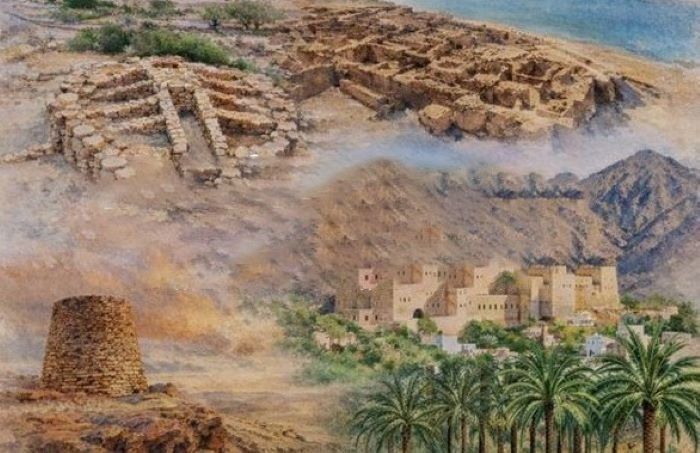
The first International Conference on the Archaeology of Oman Peninsula will commence on 1 February 2026, at Sultan Qaboos University (SQU). The three-day event will feature the participation of approximately 100 scientists, researchers, and archaeology specialists. The opening ceremony will be held under the auspices of Sayyid Ibrahim Said Al Busaidi, Minister of Heritage and Tourism. The conference is jointly organized by the Ministry of Heritage and Tourism and Sultan Qaboos University to celebrate the Golden Jubilee marking fifty years since the launch of the Journal of Oman Studies (1975–2025).
The event will feature the screening of a special documentary film produced for this occasion, the launch of a commemorative postage stamp in cooperation with Oman Post, and the inauguration of the journal’s website in collaboration with the renowned international publisher, Archaeopress Oxford. The conference aims to attract researchers, specialists, students, and those interested in exploring the most prominent studies, reports, and scientific papers covering six main themes in the archaeology of the Omani Peninsula.
These themes are Climate and Paleoenvironment, the Omani Peninsula in Prehistoric Eras, the Omani Peninsula in Islamic Periods, Rock Art, Built Heritage, and Underwater Archaeology. An accompanying exhibition will also be inaugurated on the sidelines of the conference and will run for several days. It will include a photo gallery, a collection of archaeological artifacts, and a chronological timeline of Oman through the ages, from prehistory to the modern era.
Additionally, the exhibition will feature corners for the Ministry to display scientific publications of the heritage sector, brochures, guides, and tourist maps, as well as dedicated sections for Sultan Qaboos University and the Department of Archaeology at the College of Arts and Social Sciences. The full program of the International Conference on the Archaeology of the Omani Peninsula and the schedule for the presentation of scientific papers will be available on the electronic platforms of the Ministry of Heritage and Tourism, Sultan Qaboos University, and the official conference webpage.