



BY MOHAMMAD TARIQUE SALEEM
In the hurried atmosphere of today’s political gatherings, the press conference often feels less like a thoughtful exchange and more like a crowded performance. Voices rise, cameras flash, and questions tumble out one after another. Yet somewhere in the noise, a gentle quality that once defined the profession seems to have grown quieter. Many journalists appear uncertain about the simple dignity of asking a question with care and respect.
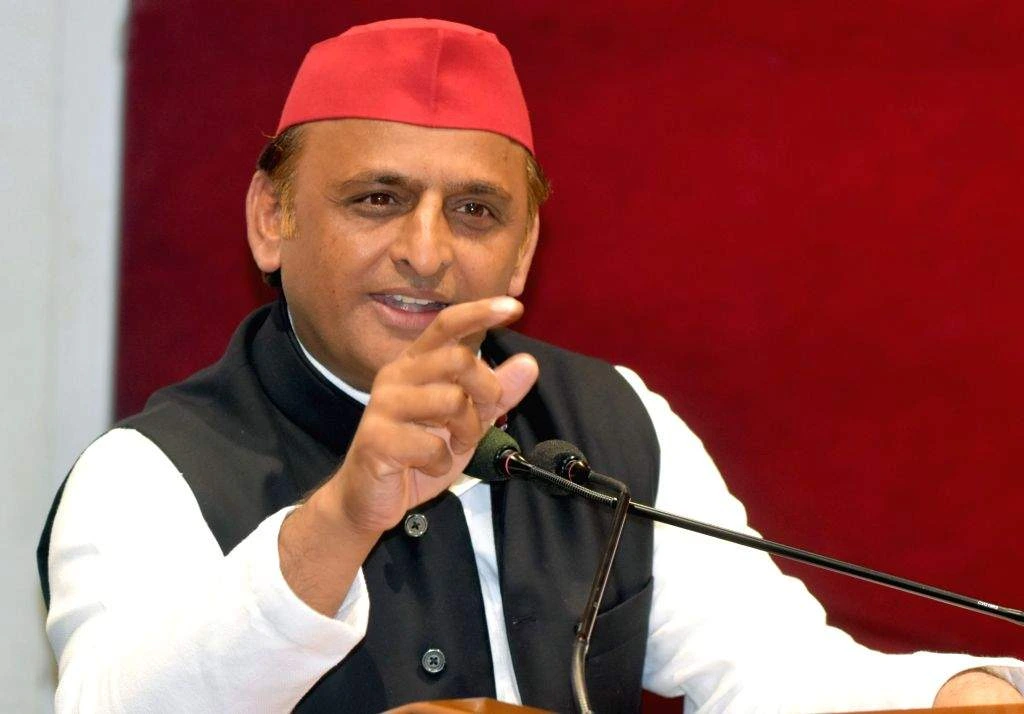
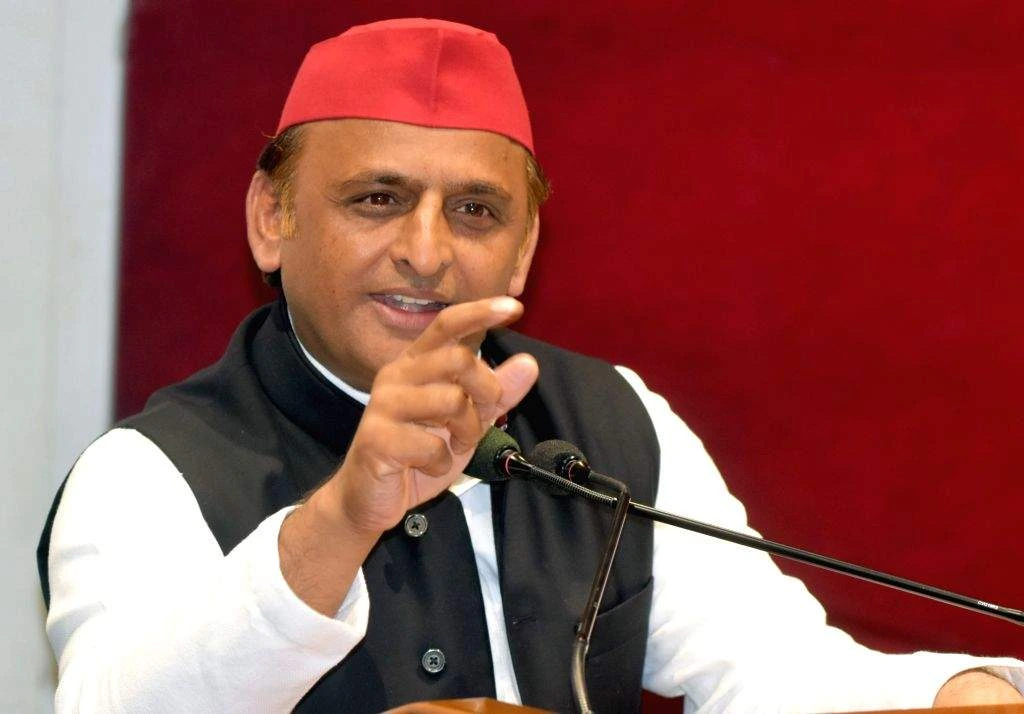
I noticed this during a press conference with Akhilesh Yadav. Young journalists, mostly in their twenties and early thirties, stood up and addressed him by name in a way that felt almost too familiar. Akhilesh Yadav, a leader nearly twice their age, listened patiently. At times his expression showed a quiet pause, as though he was searching for a suitable reply to questions that lacked depth or preparation. Those moments were not dramatic, but they carried a quiet sadness. The exchange felt thinner than it needed to be.
This observation takes me back to 1985, when I first joined The Pioneer. The newsroom then held an unspoken understanding about the weight of a question. When a journalist spoke to a political leader, the words were chosen with care. The tone remained formal, the phrasing measured, and the respect clear. One did not treat the name of a senior politician as a casual greeting. A question was offered as something serious, something that deserved thoughtful framing. When a poorly considered question was asked, the senior journalists present would feel a soft discomfort, as though the shared dignity of the profession had been lightly bruised.
I was reminded of this decline on another occasion when I asked a journalist a very simple question: “What is the name of your newspaper, and what is your designation in it?” His answer genuinely shocked me. He told me the name of his newspaper and, instead of saying “Editor”, he described his designation as “Auditor”. It was not merely a slip of the tongue; the incident left me deeply reflecting on how dramatically the professional standards of journalism have declined. When even basic journalistic designations are confused, one cannot help but wonder about the level of preparation, training and professional understanding being carried into the press room.
One small incident may not represent an entire generation, but it certainly makes one pause and reflect on the standards of journalism in the present era. That sense of shared standard has grown fragile. When questions reveal more haste than curiosity, the discomfort is felt most by those who still carry the memory of an earlier time. Senior journalists do not react with anger. They simply feel a quiet sense of loss, as if the careful work of years has been set aside without much notice.
Politicians themselves are placed in an awkward position. They cannot dismiss a shallow question without seeming harsh, yet they cannot answer it meaningfully without giving it more weight than it deserves. The result is an exchange that feels incomplete, leaving both the speaker and the listener a little less satisfied.
Journalism was never meant to be a contest of volume or speed. It was meant to be a careful conversation with power, conducted with courtesy and a sense of proportion. Respect is not the same as silence. It is simply the recognition that a serious question deserves a serious frame. When that recognition fades, the press conference loses some of its quiet purpose and becomes more performance than inquiry.
The path forward does not require harsh judgment. It asks only for a gentle return to what once felt natural. Young journalists can still learn that addressing a political leader with care is a form of professional grace. Senior journalists can continue to set an example through their own measured words. In time, the simple act of asking a question with thoughtfulness may once again feel like the natural heartbeat of the profession. Until then, each press conference will carry a quiet reminder of what has been set aside, and of the quiet possibility that it can still be restored.