






MOHAMMAD TARIQUE SALEEM
The Vietnam War ended more than half a century ago. The guns fell silent, American troops withdrew and the battlefields slowly disappeared beneath new roads, forests and cities. But for millions of people, the war never truly ended. Its scars remain hidden in poisoned soil, contaminated water and, most tragically, in the bodies of people who were not even born when the fighting stopped. Across Vietnam, and in parts of Laos and Cambodia, the legacy of Agent Orange continues to haunt families decades after the last bombs fell.
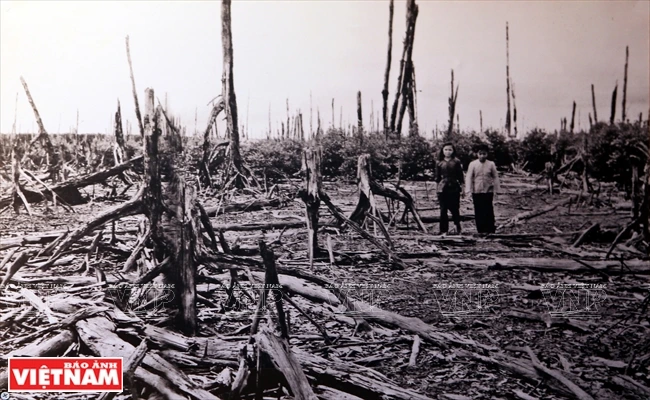
On August 10, 1961, the United States began a vast chemical spraying campaign that would become one of the darkest and most controversial chapters of the Vietnam War. Approved under the administration of President John F. Kennedy, the programme became known as Operation Ranch Hand. Its military objective was clear: strip the forests of their dense vegetation, expose enemy fighters and destroy crops believed to be supplying guerrilla forces. The human consequences, however, would prove impossible to contain.
Between 1962 and 1971, American aircraft sprayed an estimated 77 million litres of herbicides and defoliants across South Vietnam and neighbouring areas. Millions of litres contained dioxin, a highly toxic chemical linked to cancer, reproductive disorders, immune system problems and severe birth defects. The most infamous of these chemicals was Agent Orange, named after the orange identification markings on the containers used to transport it.
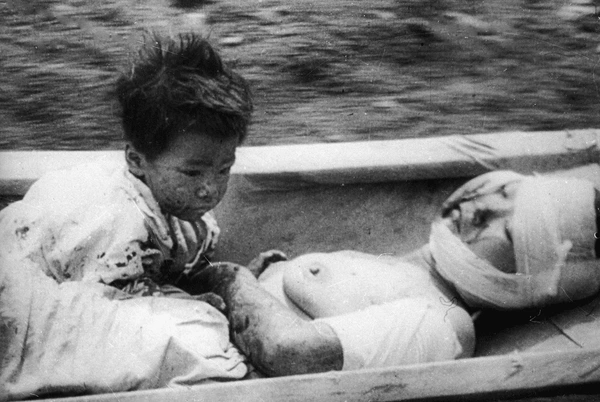
At first, the objective appeared to be military. Dense tropical forests were stripped bare so that aircraft could identify supply routes and fighters. Vast areas of farmland were sprayed to destroy food crops. The famous Ho Chi Minh Trail, used by North Vietnam to move weapons, fuel and supplies, became one of the major targets. But the chemicals did not distinguish between soldiers and civilians. They settled on villages, forests, rivers and farmland. They entered the soil and water.
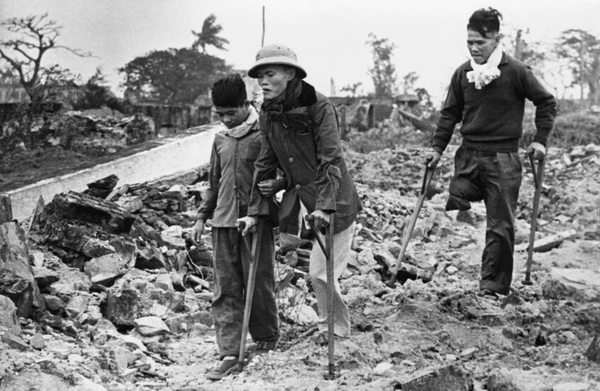
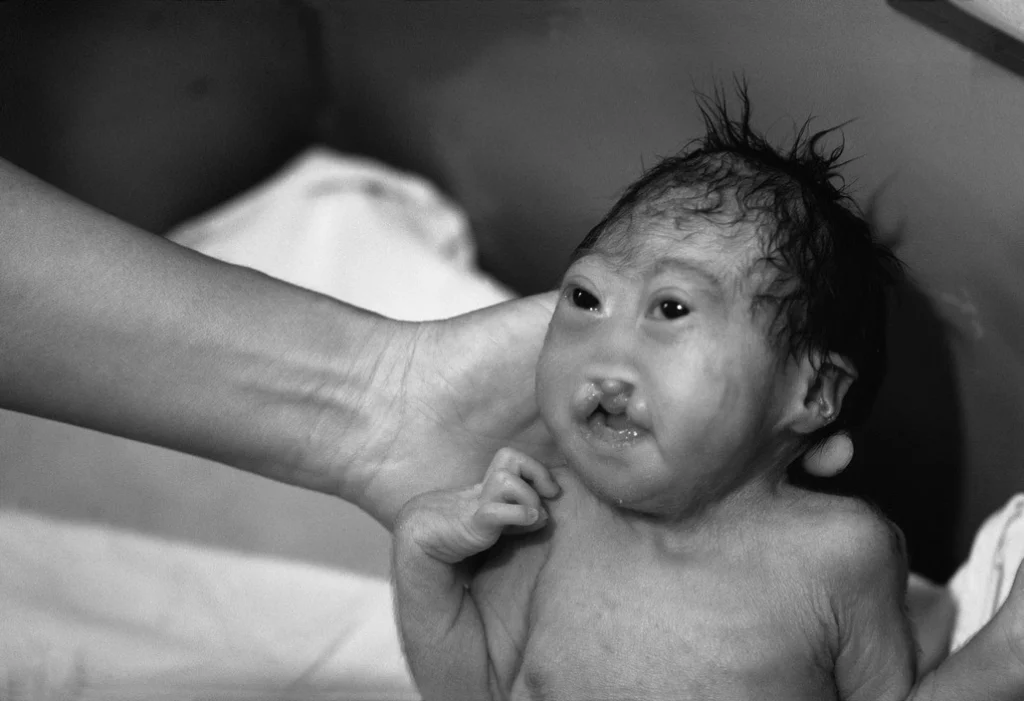
They contaminated food and the environment. And long after the aircraft disappeared from the skies, their toxic legacy remained. Millions of Vietnamese people were exposed directly or indirectly to dioxin. For many families, the consequences were immediate. Others discovered the effects years later through cancer, chronic illnesses and reproductive problems. Then came an even more painful reality: the suffering did not always end with the generation that lived through the war. Children were born with severe physical and developmental disabilities.
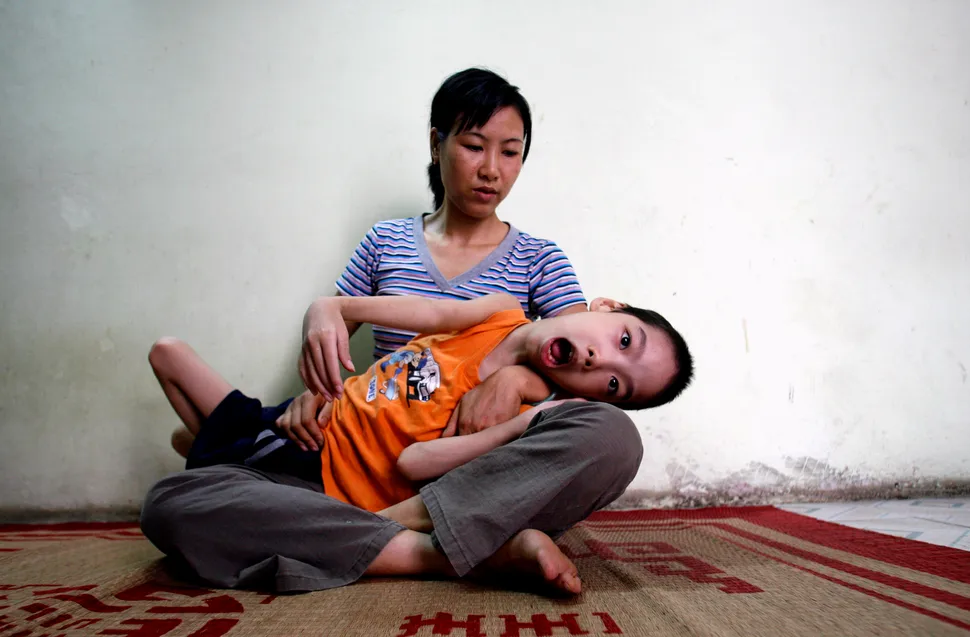
Some were unable to walk or speak independently. Others suffered from serious congenital conditions. Families that had survived years of war now faced a new battle, caring for children and relatives affected by illnesses they believed were linked to chemical exposure. The tragedy also crossed national borders. Laos and Cambodia were affected by herbicide operations, while American and allied soldiers who served in contaminated areas later reported serious illnesses associated with Agent Orange exposure.
One of the most difficult questions surrounding this legacy is that of justice. American veterans eventually fought for recognition, medical assistance and compensation for illnesses linked to exposure. However, millions of Vietnamese and other Southeast Asian victims have continued to face the consequences with far fewer resources and support. Sixty-five years after the first chemicals were sprayed, Agent Orange remains more than a historical term.
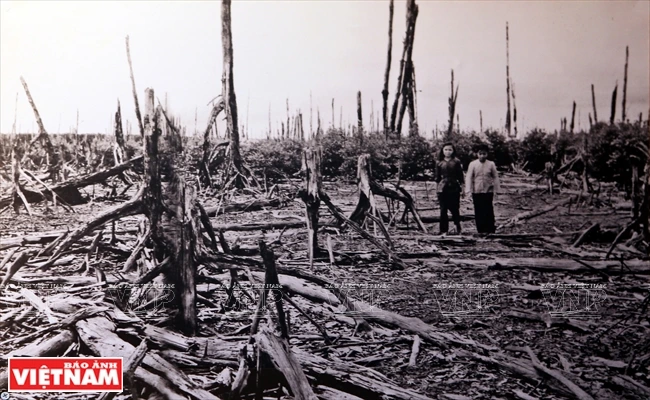
It is a warning about the terrible price civilians and future generations can pay for decisions made during war. For the victims, the Vietnam War is not simply history. Sometimes war survives beneath the ground. Sometimes it enters the water. And sometimes, decades after peace is declared, it is carried silently into the next generation. For countless families, the war ended on paper. But its poison never truly left. (Courtesy: Novosti | Adapted and rewritten for Arabian Times)