


BY MOHAMMAD TARIQUE SALEEM
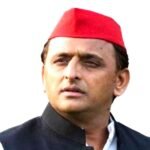
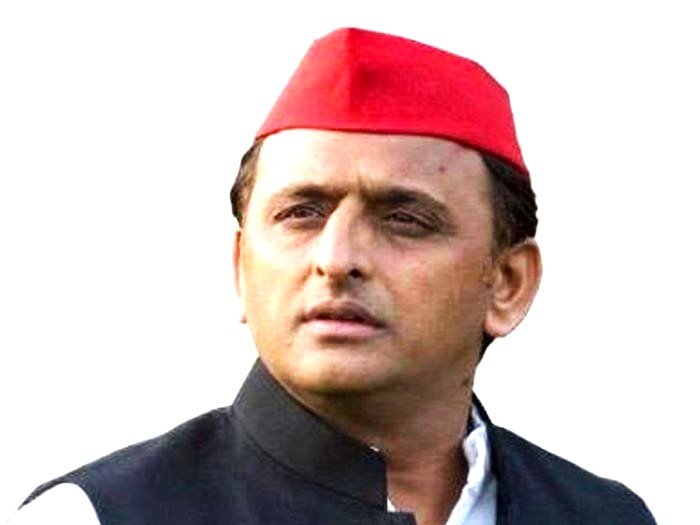
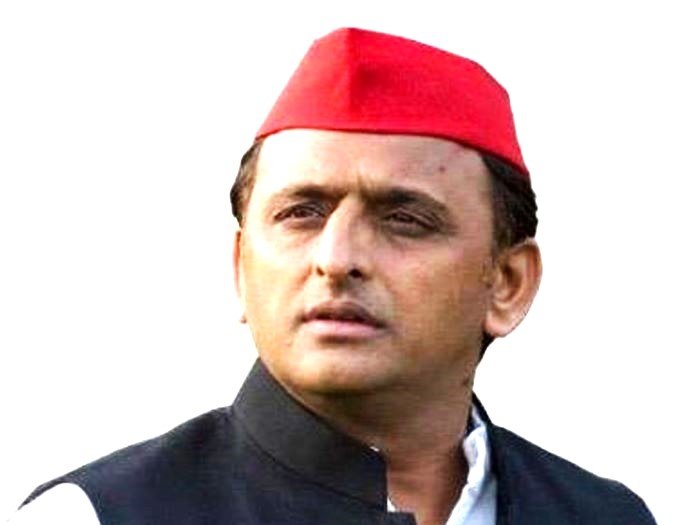
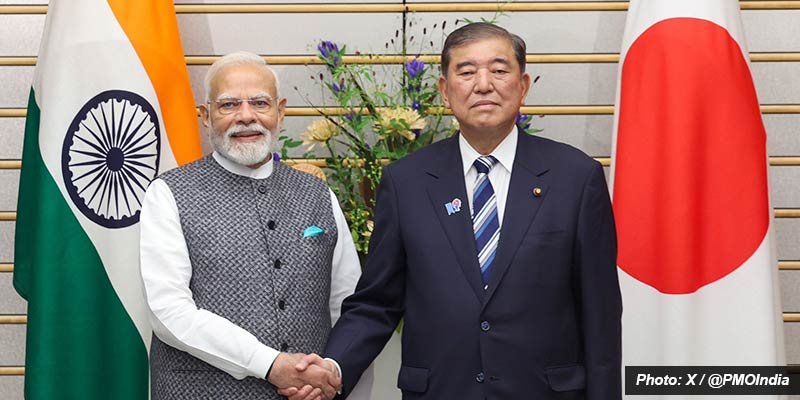
Politics and diplomacy often move on parallel tracks, and Prime Minister Narendra Modi’s visit to Japan has become a perfect example of that. While the Prime Minister is presently in Tokyo for the 15th India-Japan Annual Summit, Samajwadi Party chief Akhilesh Yadav added a sharp political twist back home with his remarks on social media.
Yadav suggested that if the Prime Minister is visiting Japan, he should also take time to see Kyoto, a city globally admired for balancing modernization with deep respect for its cultural heritage. Drawing a comparison with Varanasi (Kashi), Modi’s parliamentary constituency, Yadav questioned why Kashi has not transformed into a model like Kyoto, or whether its heritage has, in some way, been compromised. He urged the Prime Minister to bring back practical lessons on how to protect history while building the future.
At the same time, Yadav took a swipe at the timing of the visit, calling it more of a “personal pleasure tour” in what he described as a politically sensitive final year. His comments reflect the intense scrutiny that accompanies high-profile foreign visits, especially when domestic development remains a major talking point. On the diplomatic front, however, the focus remains firmly on strengthening India-Japan ties.
Japanese Prime Minister Shigeru Ishiba is hosting Modi for discussions expected to expand cooperation in defence, trade, technology, artificial intelligence, and semiconductors. Business leaders in Japan have expressed confidence in India’s growth story, with many companies planning further expansion. After Japan, Modi will head to China for the Shanghai Cooperation Organisation Summit, where broader regional cooperation will take center stage. Whether the visit yields lessons for cities like Kashi remains to be seen, but it has certainly sparked conversation at home.