





BY MOHAMMAD TARIQUE SALEEM
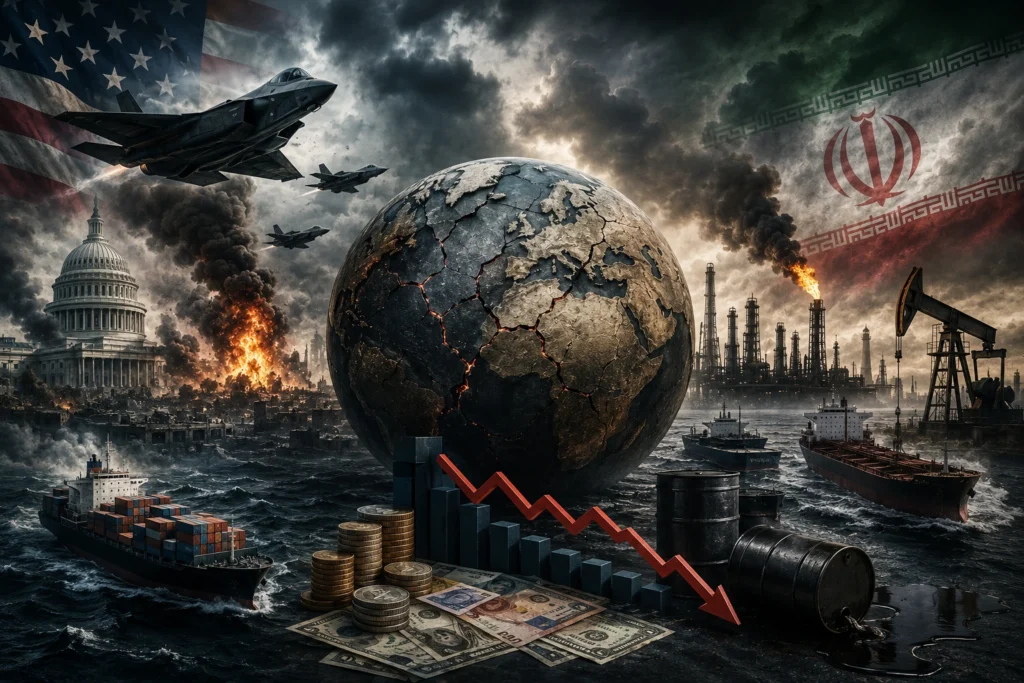
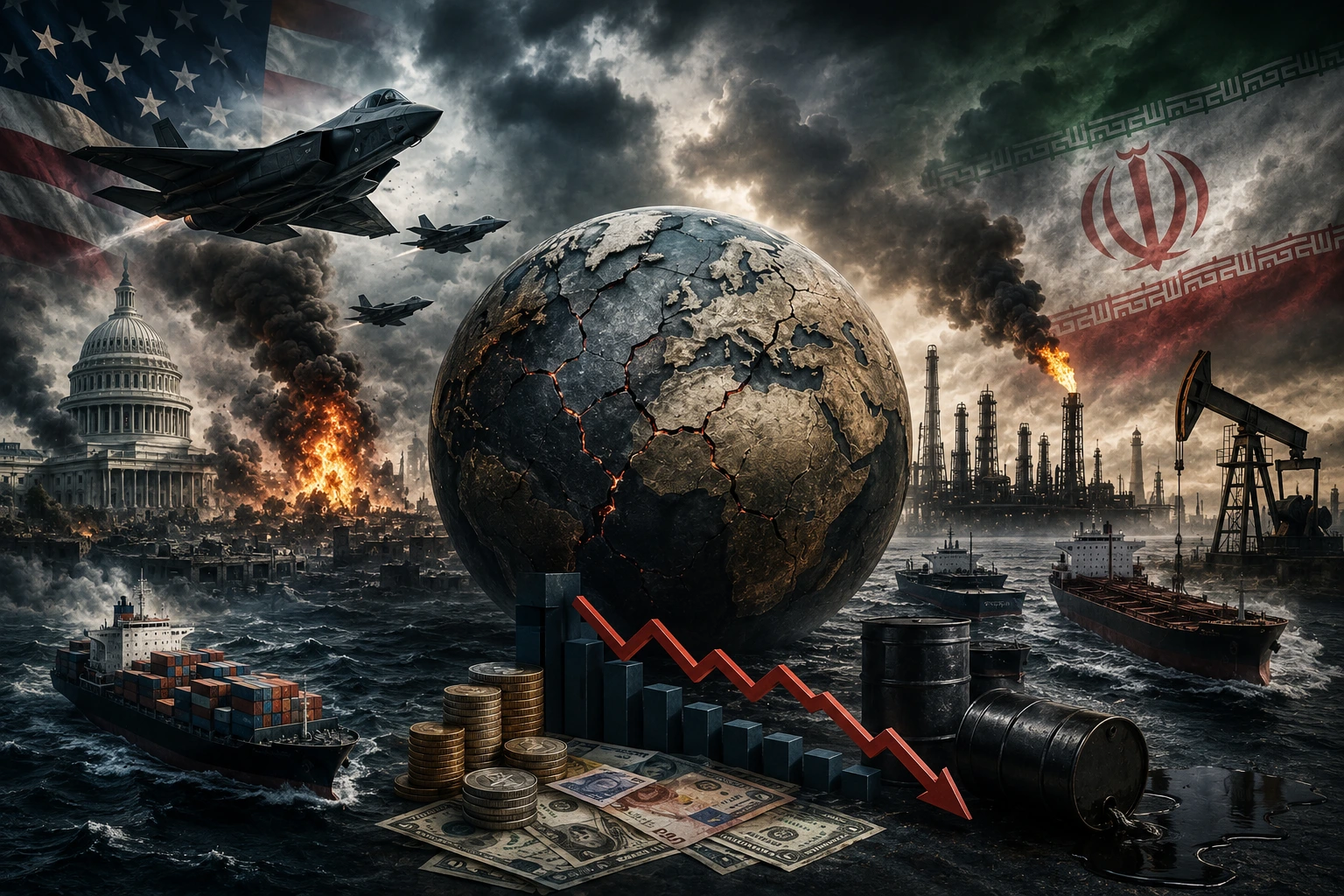
America’s war against Iran, launched alongside Israel, has rapidly become one of the most serious geopolitical crises of the modern era, drawing comparisons to the instability that followed the September 11 attacks in 2001. What was initially presented as a fast and decisive campaign to cripple Iran’s nuclear ambitions and weaken its leadership has instead evolved into a prolonged regional conflict with global consequences.
When the Trump administration launched “Operation Epic Fury” on February 28, the expectations in Washington appeared clear. Officials believed the Iranian leadership would collapse under military pressure, public unrest would erupt into a mass uprising, and Tehran would be unable to threaten the Strait of Hormuz, the world’s most important oil transit route. The United States and Israel also hoped to eliminate Iran’s nuclear infrastructure quickly and decisively. Nearly three months later, those assumptions appear deeply misplaced.
Iran has undeniably suffered extensive damage. Military facilities have been destroyed, senior commanders killed, and critical infrastructure badly hit. Yet the Iranian state has not collapsed. Instead, the conflict seems to have strengthened Tehran’s determination while pushing it toward economic and regional retaliation rather than direct military confrontation.
Unable to match American military power head-on, Iran has turned to its greatest strategic advantage: geography. Tensions around the Strait of Hormuz have shaken global energy markets, disrupted shipping routes, and increased fears over oil and gas supplies. Energy prices have surged, fertilizer costs have risen sharply, and global food supply chains are beginning to feel the pressure.
The effects are no longer limited to the Middle East. Countries heavily dependent on imported energy, including India and several European nations, are facing growing economic strain. Inflation risks are climbing again just as many economies were recovering from years of post-pandemic instability. The Gulf region itself has also suffered major economic setbacks. Aviation, shipping, tourism, and logistics industries are under increasing pressure as insurers and international investors reassess the risks of operating in the region.
What Washington may once have viewed as a contained military operation has now evolved into a worldwide economic shock. At the same time, the humanitarian cost continues to rise. Civilian casualties, displacement, shortages of essential goods, and infrastructure destruction have affected millions across Iran, Israel, Lebanon, and parts of the Gulf.
Diplomatically, the situation has become increasingly uncomfortable for Washington. Reports of ceasefire negotiations and indirect talks reveal a significant shift in American strategy. Historically, the United States has entered wars seeking decisive victories, not negotiated exits. Comparisons to the Vietnam War are now quietly emerging among analysts who see parallels in America’s struggle to define a successful endgame.
Ironically, one possible diplomatic outcome now resembles the very nuclear agreement President Trump abandoned during his first term, the 2015 Joint Comprehensive Plan of Action (JCPOA). After years of escalation and enormous economic damage, Washington may ultimately accept an arrangement not dramatically different from the one it once rejected. Meanwhile, Iran appears determined to transform its survival into long-term leverage. Beyond seeking sanctions relief and reconstruction assistance, Tehran is reportedly pushing for transit fees on ships passing through the Strait of Hormuz, as well as charges linked to undersea digital communication cables that carry massive volumes of global financial and internet traffic.
If such demands become part of a future settlement, the long-term consequences could reshape global trade and energy politics for years. Strategically, the conflict has exposed an uncomfortable reality for the United States and Israel: overwhelming military superiority does not always guarantee quick political success. Modern conflicts increasingly show that geography, economic disruption, asymmetric tactics, and national resilience can challenge even the strongest military powers.
The longer the war continues, the greater the risk of a broader global slowdown. Inflation, market volatility, weakened consumer confidence, and delayed investments are already becoming visible across major economies. A global recession is no longer an unlikely scenario. More importantly, rivals such as China and Russia are closely watching how far American political and economic endurance can stretch under prolonged instability.
Wars are rarely judged only by battlefield victories. They are ultimately remembered for the political realities they create afterward. At this stage, the Iran conflict increasingly appears less like a demonstration of American dominance and more like a warning about the limits of military power in an interconnected world economy.