






ARABIAN TIMES NEWS NETWORK
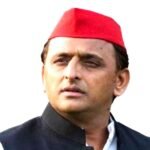
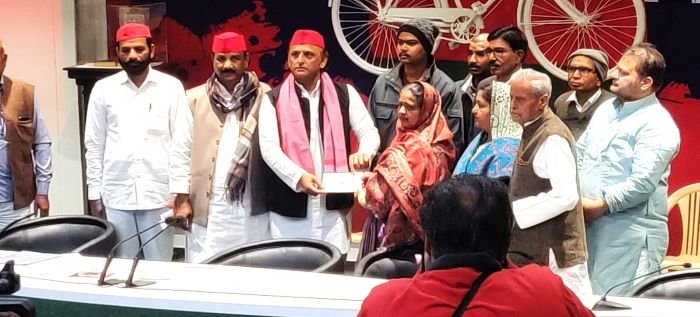
Akhilesh Yadav’s press conference in Lucknow felt less like a routine political briefing and more like a heartfelt warning about where Uttar Pradesh is heading. Speaking with a mix of frustration, urgency, and visible concern, the Samajwadi Party chief voiced strong objections to the ongoing Special Intensive Revision (SIR) of electoral rolls, an exercise he believes is being misused to twist the outcome of future elections.
Yadav accused the ruling BJP and the Election Commission of turning the revision process into a rushed and deeply unfair operation. He spoke emotionally about the pressure on Booth Level Officers, pointing to the tragic suicide of a BLO in Fatehpur. According to him, the officer’s death was not an isolated incident but a painful reminder of how overburdened and threatened election staff have become. What should have been a routine administrative task, Yadav said, has now taken on a political character that puts democracy itself at risk.

He claimed that as many as 50,000 voters per constituency, mostly Samajwadi Party supporters, were being singled out for deletion. Such large-scale targeting, he warned, could destroy the foundation of free and fair elections. Why the hurry? Why the secrecy? Why the pressure? These were the questions he repeatedly threw at the government, insisting that without transparency and proper training, the SIR would end up taking rights away from people rather than protecting them.
From there, Yadav moved to the state’s law-and-order situation, taking a sharp dig at the government’s claims. Calling the BJP’s model “One District, One Mafia” with open sarcasm, he alleged that criminal networks were thriving under BJP’s protection, especially in districts like Jaunpur. The bulldozer, he said, is loud only when the government wants to project strength, but silent when confronting mafias who enjoy political shelter.
On the ongoing cough syrup smuggling case, Yadav brushed aside former MP Dhananjay Singh’s demand for a CBI inquiry. “Where is the bulldozer now?” he asked, prompting laughter in the room. But beneath the humour was a serious message: investigations cannot be selective, and justice cannot depend on political convenience.
A major part of his address was devoted to Dalmandi in Varanasi, where Yadav directly accused the government of carrying out a “political demolition.” He said the area was being targeted only because the BJP “is no longer getting votes from here.” The long-running road-widening project, he argued, has crushed the livelihoods of countless traders and families, creating years of anxiety.
Even if alternative shops are offered, he said, they cannot bring back the carefully built customer base of generations. “Who will return the clientèle that traders nurtured for centuries?” he asked, highlighting the pain and helplessness felt by the people of Dalmandi. He described their situation as one of visible suffering under the weight of government “might and power,” with no concern for heritage or livelihoods.
Looking ahead to the 2027 elections, Yadav called them a turning point for democracy in Uttar Pradesh. He accused the BJP of dividing society along caste and communal lines, eroding what he described as the spirit of “Hindustaniyat.” In contrast, he positioned the Samajwadi Party as a guardian of constitutional values, social harmony, and the rights of ordinary citizens, especially those whose names might disappear from the voter list without their knowledge.
He ended the press conference with a firm appeal to the Election Commission: slow down the SIR process, reduce pressure on officials, and ensure every eligible voter remains on the rolls. With a note of conviction, he declared that the Samajwadi Party would continue to expose irregularities and challenge any attempt to weaken democratic participation in the state.



