







BY MOHAMMAD TARIQUE SALEEM
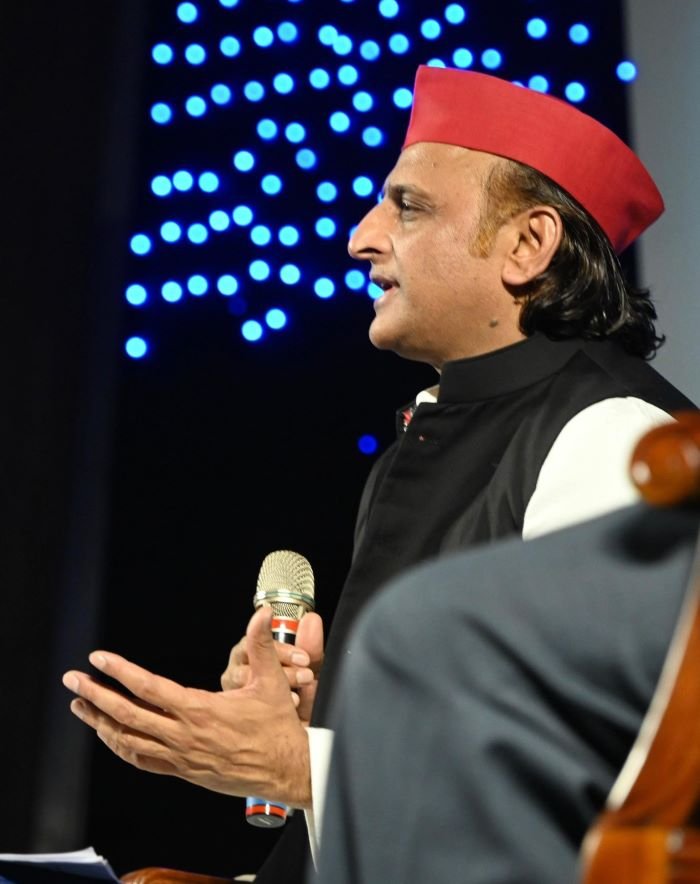
Recently in Bhubaneswar, when leaders, experts, and citizens gathered for the ‘Vision India’: Holistic Health Summit on 17 January 2026, the conversation shifted from policies on paper to people in real life. Addressing the gathering, Samajwadi Party President Akhilesh Yadav emphasized that the summit was not merely about hospitals, budgets, or statistics; it was about how Indians live, breathe, work, suffer, heal, and hope. At its heart was a simple yet profound idea: health is not just about curing disease, it is about creating conditions in which people can truly live well.
Participants spoke of health as a shared experience shaped by the body, the mind, and the environment around us. A child growing up near polluted water, a worker under constant stress, a family struggling with rising costs, or an elderly person facing loneliness are all living examples of how health is woven into daily life. Echoing this sentiment, Akhilesh Yadav noted that unless natural surroundings, social relationships, workplaces, and mental well-being are addressed together, no amount of medicine can create a healthy nation.

There was a strong emotional appeal to move from reaction to prevention. Treating illness is necessary, but preventing suffering is far more humane. When health education becomes part of everyday learning, people gain the power to protect themselves and their families. Clean habits, balanced nutrition, physical activity, and mental awareness were described not as privileges, but as basic rights that should reach every household, regardless of income or location.
The discussions also humanized the role of the state. Health spending, speakers argued, should not be seen as an expense but as an act of faith in people. A healthy citizen is not just a beneficiary of welfare, but a contributor to the nation’s growth. Roads and buildings may shape cities, but hospitals, clinics, and community health systems shape lives. Equally, doctors, nurses, medical staff, and ASHA workers were acknowledged not as invisible functionaries, but as human beings who deserve security, dignity, and respect while they care for others.
Technology entered the conversation not as a cold tool, but as a bridge. Digital platforms and artificial intelligence were seen as ways to listen better, to understand why certain regions suffer from specific diseases, how local air, water, food, and farming practices affect health, and how information can reach people in simple language on their phones.
Perhaps the most moving part of the summit was its call for compassion. People struggling with addiction or lifestyle-related illnesses were described not as social failures, but as individuals shaped by complex circumstances. Judgment, stigma, and distance only deepen their pain. Empathy, community support, sports, and understanding can help them heal and return to society with dignity.
The summit closed with a powerful collective resolve, reiterated by Akhilesh Yadav: no poor, exploited, deprived, or needy person should be denied medical advice, medicines, tests, or treatment because of money or paperwork. Health should not depend on a card, a label, or a condition. The final message echoed in deeply human terms, holistic health is not a slogan to be repeated, but a promise to be lived, so that tomorrow can truly be better for everyone.