

BY MOHAMMAD TARIQUE SALEEM
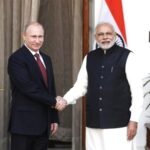
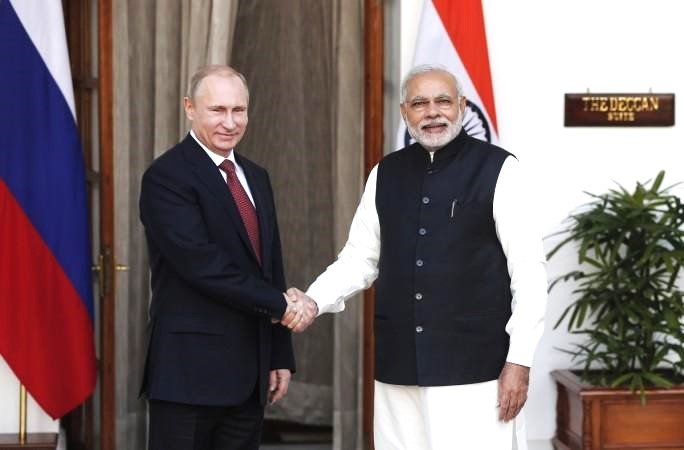
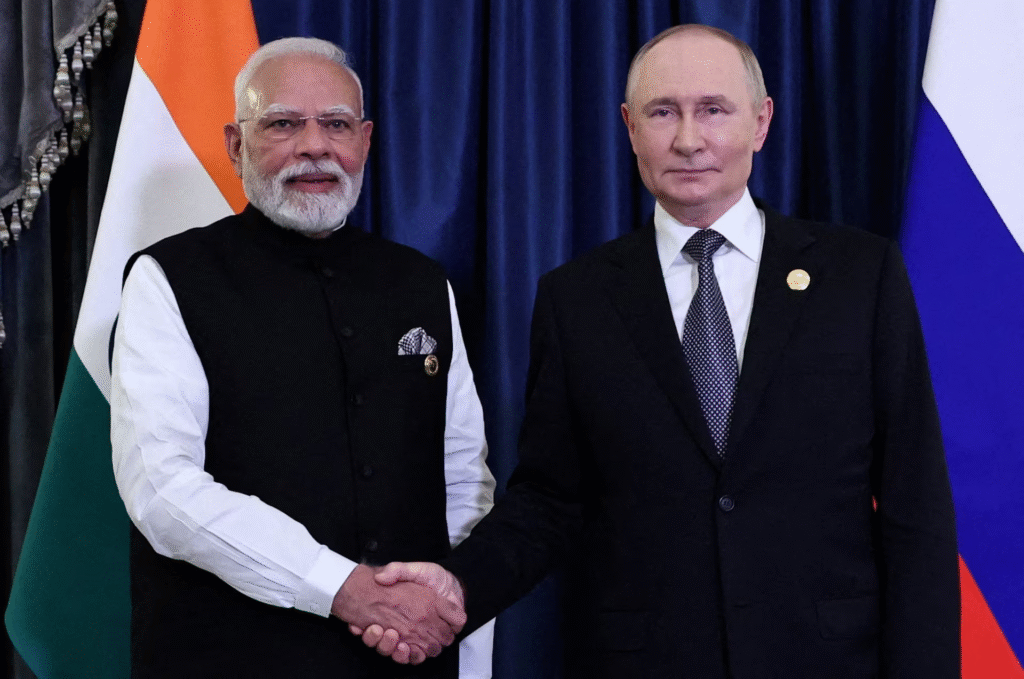
Russian President Vladimir Putin and Indian Prime Minister Narendra Modi have reaffirmed their commitment to deepening bilateral ties during Putin’s two-day state visit to New Delhi, his first since Russia’s invasion of Ukraine in 2022. The visit highlighted the decades-long relationship between the two nations, with India, the world’s largest buyer of Russian arms and seaborne oil, extending a warm welcome. At the heart of discussions was the expansion of trade and defence cooperation, with Russia aiming to boost bilateral trade to $100 billion by 2030.
Putin emphasized Moscow’s readiness to provide India with uninterrupted fuel supplies, though New Delhi responded cautiously, reflecting the complex dynamics of global energy markets and ongoing U.S. pressure over India’s Russian oil purchases. While India continues to engage with Russia, it is also in active dialogue with the United States to resolve trade disputes arising from tariffs imposed under the Trump administration. Indian refiners, including Indian Oil Corporation and Bharat Petroleum, are planning to source Russian oil through non-sanctioned channels, taking advantage of discounted rates while navigating geopolitical constraints. Highlighting the enduring nature of the India-Russia partnership, Modi described the relationship as a “guiding star,” built on mutual respect and deep trust, emphasizing that it has consistently withstood global challenges and evolving international landscapes.
December has been a month of remarkable diplomacy, with Saudi Arabia, Russia, and India making headlines for their evolving relationships. In Riyadh, a historic visa-exemption agreement between Saudi Arabia and Russia now allows citizens from both countries to travel visa-free for up to 90 days. Beyond the official pomp, this step represents a desire for closer people-to-people connections, cultural exchange, and stronger economic ties. It’s a tangible reminder that international diplomacy isn’t just about high-level meetings; it’s about opening doors so that ordinary citizens, entrepreneurs, and students can explore opportunities across borders.
At the same time, Russian President Vladimir Putin’s visit to New Delhi drew significant attention. This was his first visit since Russia’s invasion of Ukraine in 2022, and India rolled out the red carpet. For India, which remains the world’s largest buyer of Russian arms and seaborne oil, the visit reinforced a decades-long relationship. Talks between Putin and Prime Minister Narendra Modi focused on expanding trade, strengthening defence ties, and ensuring uninterrupted fuel supplies.
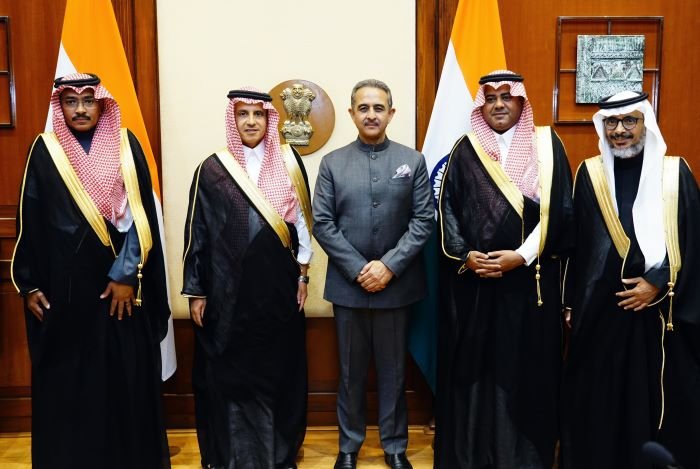
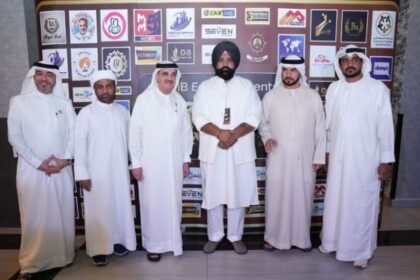
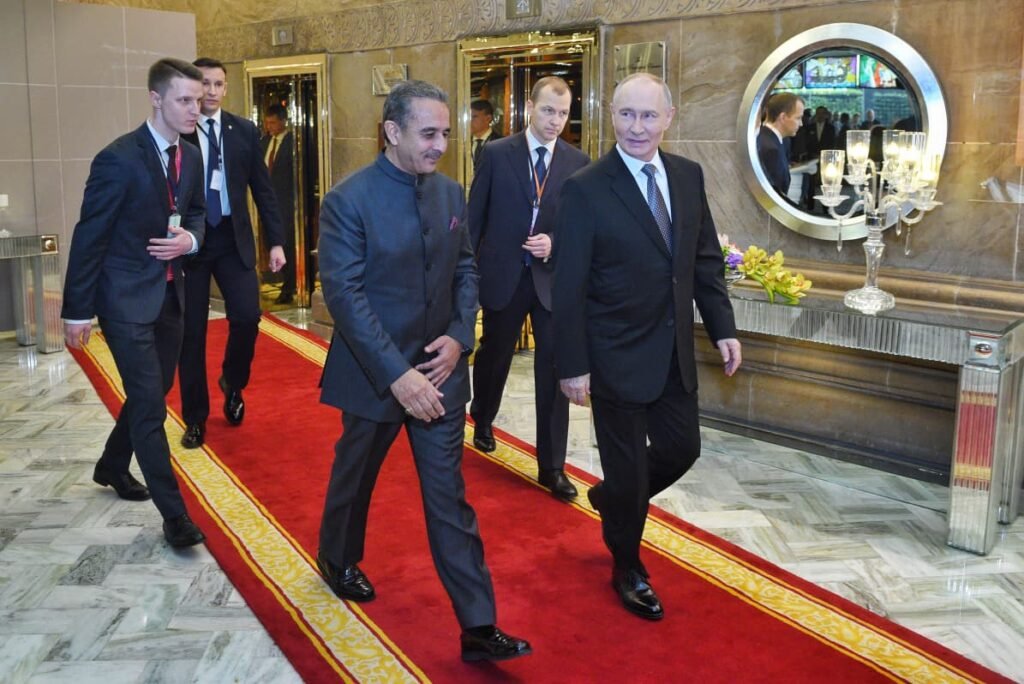
Yet, India approached these discussions cautiously, mindful of global market pressures and its complex relationship with the United States. The careful diplomacy reflects India’s pragmatic approach, valuing longstanding partnerships while navigating shifting global realities. Amid these high-stakes discussions, Kirti Vardhan Singh, India’s Union Minister of State for External Affairs, has quietly but effectively played a key role. Singh, representing the state of Gonda, was part of the delegation that welcomed Putin, a moment of pride for his constituency and a testament to India’s commitment to its strategic alliances.
Beyond ceremonial duties, Singh has been actively engaging in strengthening India-Saudi ties. His meeting with the Saudi Shura Council delegation, the first visit of the Saudi-India Parliamentary Friendship Committee to New Delhi, highlighted India’s focus on people-to-people connections, investment, and cultural collaboration. Singh’s work embodies the human side of diplomacy: building relationships, understanding concerns, and finding common ground.
The convergence of Saudi, Russian, and Indian interests offers a glimpse into a changing world. Russia’s overtures toward Saudi Arabia reflect its ambition to diversify partnerships, while India’s careful balancing act ensures that it can engage with multiple powers without compromising its interests. Kirti Vardhan Singh’s involvement underscores that diplomacy isn’t just about policy; it’s about people who can connect nations, nurture trust, and make dialogue meaningful.
These developments remind us that international relations are more than headlines, they shape the everyday lives of citizens, influence energy and trade, and foster cultural understanding. India’s engagement with both Russia and Saudi Arabia illustrates a nuanced strategy that blends pragmatism with vision. Leaders like Kirti Vardhan Singh are essential in this landscape, translating high-level diplomacy into actions that matter for ordinary people, while ensuring India remains a respected, influential player on the global stage. In a world of shifting alliances and competing interests, these efforts reflect the careful art of building enduring partnerships rooted in trust, mutual respect, and shared progress.