



BY MOHAMMAD TARIQUE SALEEM
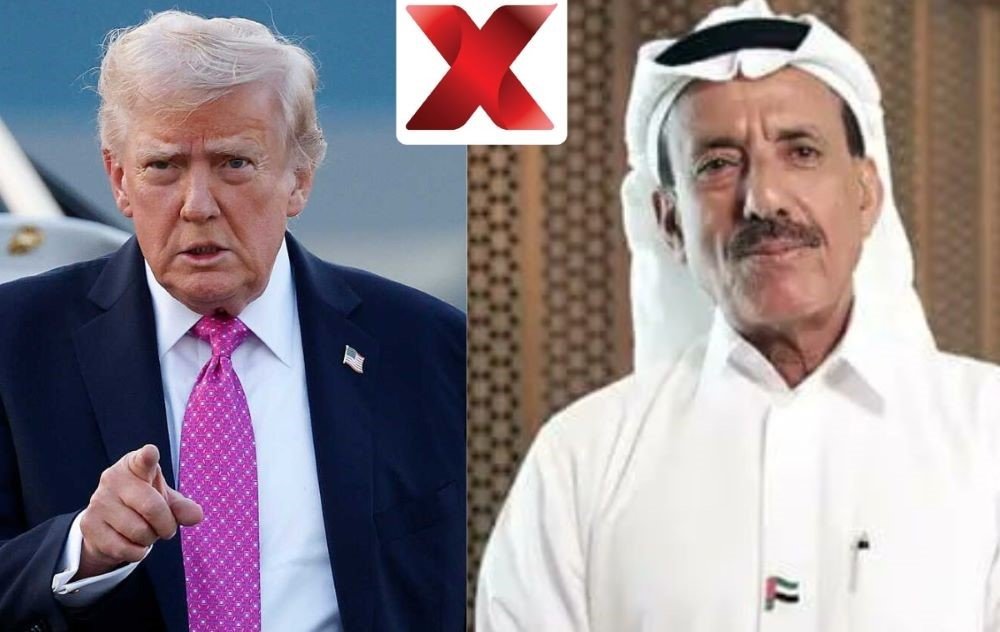
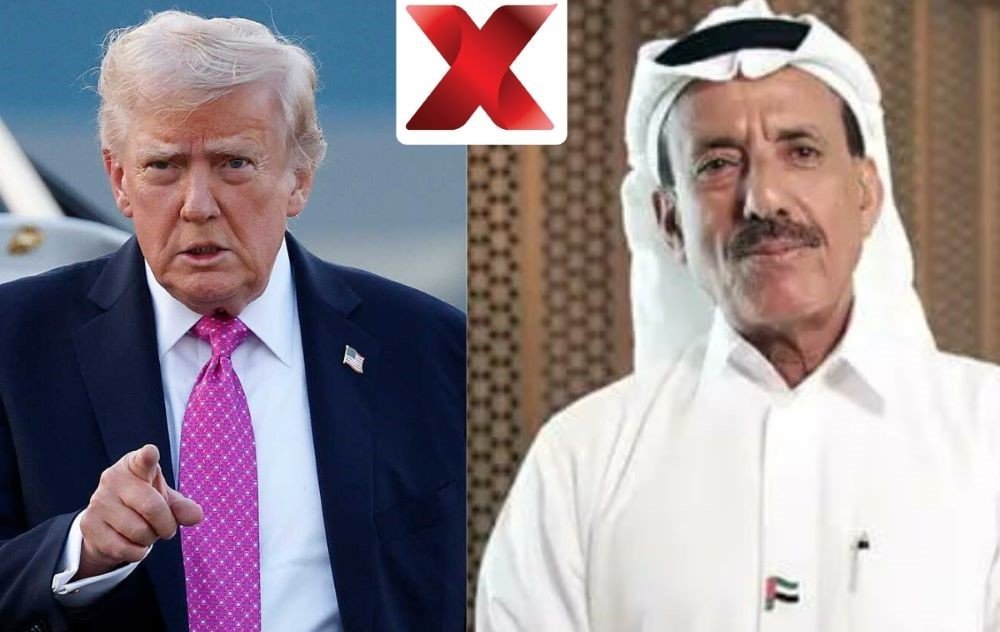
Dubai-based billionaire businessman Khalaf Ahmad Al Habtoor has issued a sharp public rebuke of Donald Trump over the escalating conflict with Iran, warning that the war could have devastating consequences for the Gulf region and global economic stability. In a lengthy post published on the social media platform X, Al Habtoor questioned the rationale behind Washington’s decision to intensify military actions in the Middle East and asked whether the long-term consequences had been fully considered.
The prominent Emirati businessman stressed that the nations most immediately affected by the conflict are Gulf countries that did not choose to be drawn into the war. Addressing the US president directly, Al Habtoor wrote that the region had already suffered decades of instability and should not be forced to bear the burden of another conflict. He questioned who authorised such a far-reaching decision and whether policymakers in Washington had fully assessed the economic, political and humanitarian impact on regional states.
According to Al Habtoor, the Gulf nations, including Saudi Arabia, the United Arab Emirates, Kuwait and Qatar, are now facing mounting economic pressures as the war disrupts trade, investment flows and regional stability. He warned that decisions taken far from the Gulf could push regional governments into difficult financial and political choices. Al Habtoor also cautioned that the consequences of the conflict may not remain confined to the Middle East.
In his message, he suggested that American citizens themselves could eventually feel the economic impact of the war through higher energy prices, disrupted global markets and weakened investor confidence. His comments come as reports emerge that several Gulf states are reviewing their economic commitments to the United States amid the growing costs of the conflict. Officials familiar with discussions among Gulf governments say Saudi Arabia, the United Arab Emirates, Kuwait and Qatar have been examining whether to withdraw from certain contracts with American companies and reconsider major investment pledges.
According to one official, the governments are facing increasing budgetary pressure as the conflict disrupts vital economic sectors. Several force majeure clauses have already been invoked in existing contracts, while authorities are reassessing both current and future investments in order to reduce the financial strain caused by the war. The official noted that the pressures stem from multiple sources: declining energy revenues due to disrupted production and shipping, significant losses in tourism and aviation, and sharply rising defence expenditures as Gulf countries increase security spending.
Advisers to regional governments say the discussion has caught the attention of policymakers in Washington. Gulf sovereign wealth funds are among the largest and most influential investors in the world. In recent years, Saudi Arabia, the United Arab Emirates and Qatar had pledged hundreds of billions of dollars in investments in the US economy following diplomatic engagements with the Trump administration. These countries have also become major global investors in infrastructure, technology and sports, while simultaneously pouring large sums into domestic development projects aimed at diversifying their economies beyond oil.
Any significant shift in Gulf investment strategies could increase pressure on the White House to pursue a diplomatic resolution to the conflict rather than a prolonged military campaign. The war, launched by the United States and Israel against Iran and its regional allies, has already triggered fierce retaliation from Tehran. One of the most alarming consequences has been the disruption of shipping through the strategically vital Strait of Hormuz, the narrow waterway through which roughly one-fifth of the world’s oil and gas supplies pass.
With several tankers reportedly struck in the Gulf and commercial shipping slowing dramatically, energy markets are increasingly nervous. Analysts warn that any prolonged closure or disruption of the waterway could trigger global economic shockwaves. For Al Habtoor, the message is clear: decisions about war in the Middle East cannot be taken lightly. In his words, the region has paid too high a price for geopolitical rivalries, and the world may soon discover that the costs of this conflict extend far beyond the battlefield.