


By Mohammad Tarique Saleem
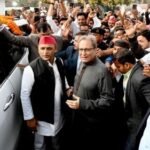
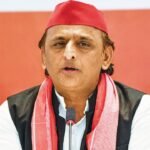
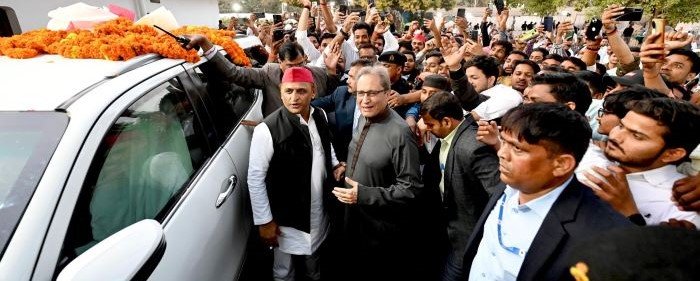
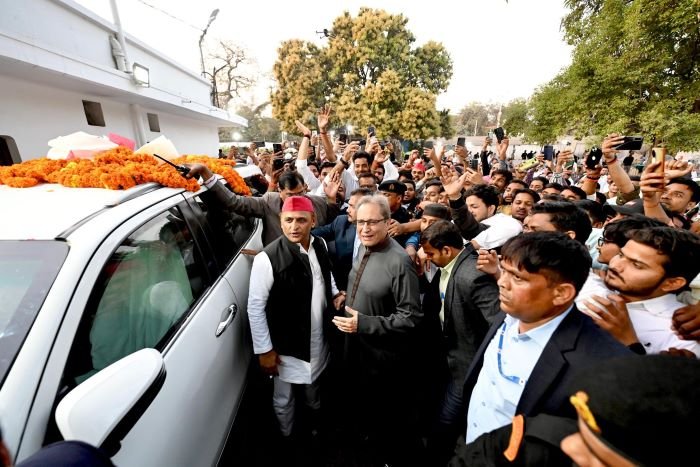
The usually calm political scene of Prayagraj felt charged as Akhilesh Yadav on February 28 rolled into town. The Samajwadi Party chief wasn’t there just for a quick hello, he came ready to speak his mind, mixing sharp criticism with some big-picture plans for the future. Facing the media, Akhilesh didn’t hold back on the so-called “development” in the city. He pointed out that the government claims to have poured in around ₹60,000 crore over the last decade, yet everyday headaches haven’t gone away.
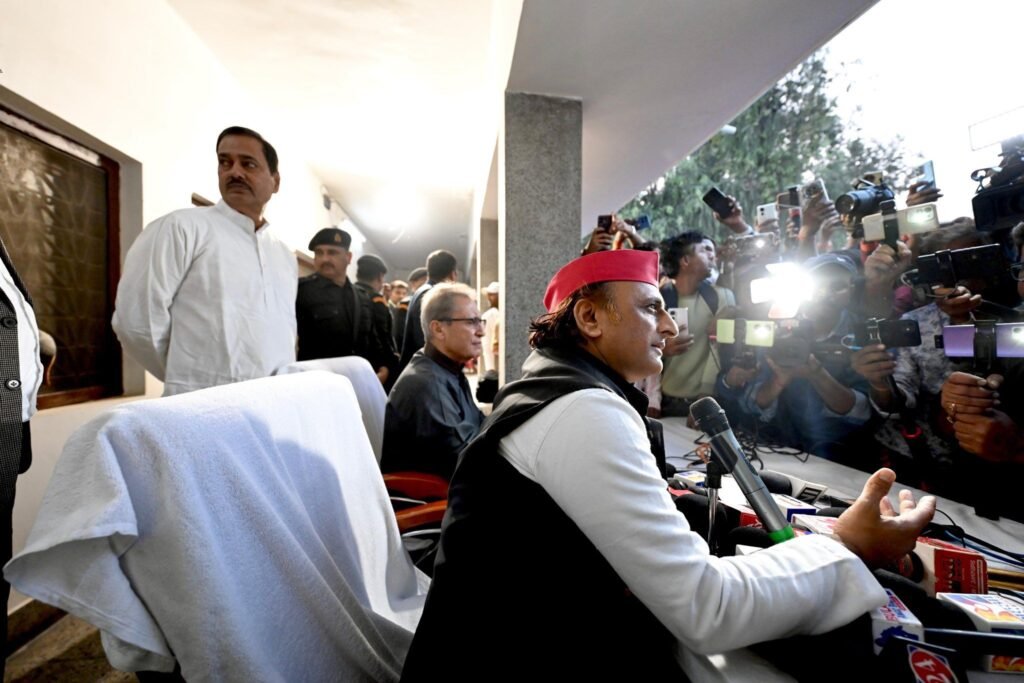
“Where’s the change?” he basically asked. People are still stuck in maddening traffic jams, hospitals are overwhelmed and can’t keep up, and those open drains keep emptying straight into the Ganga, our holy river that’s supposed to be getting cleaner, not dirtier. For him, real progress isn’t about fancy announcements or big budget figures on paper; it’s about stuff that actually makes life easier and better for regular folks day to day.
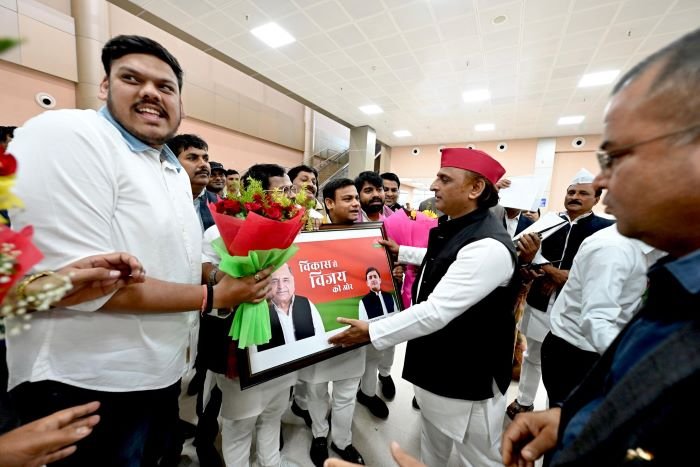
But he wasn’t just complaining, he was looking ahead too, especially with the 2027 UP Assembly elections coming up. Akhilesh sounded pretty confident that the Samajwadi Party, along with its PDA (Pichhde, Dalit, Alpsankhyak) alliance, is on track to take back power in the state. One fresh idea he floated was super interesting: instead of one giant, one-size-fits-all manifesto, the party will prepare separate, customized manifestos for each district. That way, they can zero in on what people in that specific area actually need, no more vague promises that miss the mark.
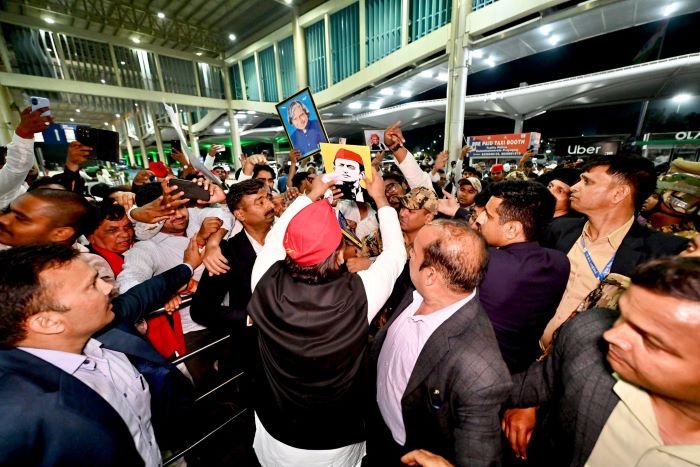
When someone brought up the whole city name debate, Prayagraj vs. Allahabad, Akhilesh kept it thoughtful and light. He said governments can change names on signboards and official papers all they want, but history and culture don’t budge. The city has been known as Prayagraj, Allahabad, Sangam, Triveni, all of it is part of its soul. With a little smile, he added that the famous Allahabadi guava is still called that by everyone, no one’s rushing to rename it “Prayagraji guava.” It’s a nice reminder that some things in life and culture just outlast political decisions.
Later, at an iftar event he attended, his tone turned warm and unifying. He talked about “Hindustaniyat”, that old Indian tradition of celebrating festivals together, respecting each other’s faiths, and treating everyone like family no matter the religion. In a time when headlines are full of division, it felt like a genuine call for togetherness and shared identity. He also gave a nod to some recent court rulings that granted relief to Shankaracharya Avimukteshwaranand Saraswati and former Delhi CM Arvind Kejriwal, stressing how important it is to respect the judiciary in any real democracy.
The visit also saw the presence and support of senior party leaders, including former MP Saleem Shervani, whose association added weight to the event and reflected the party’s attempt to consolidate its leadership base in the region. As Akhilesh wrapped up and headed out of Prayagraj, the vibe was clear: this wasn’t just another routine stop. It felt like the kickoff to a bigger, refreshed conversation across Uttar Pradesh, one focused on real development that people can actually see and feel, staying true to cultural roots, and bringing everyone together ahead of 2027.