





BY MOHAMMAD TARIQUE SALEEM
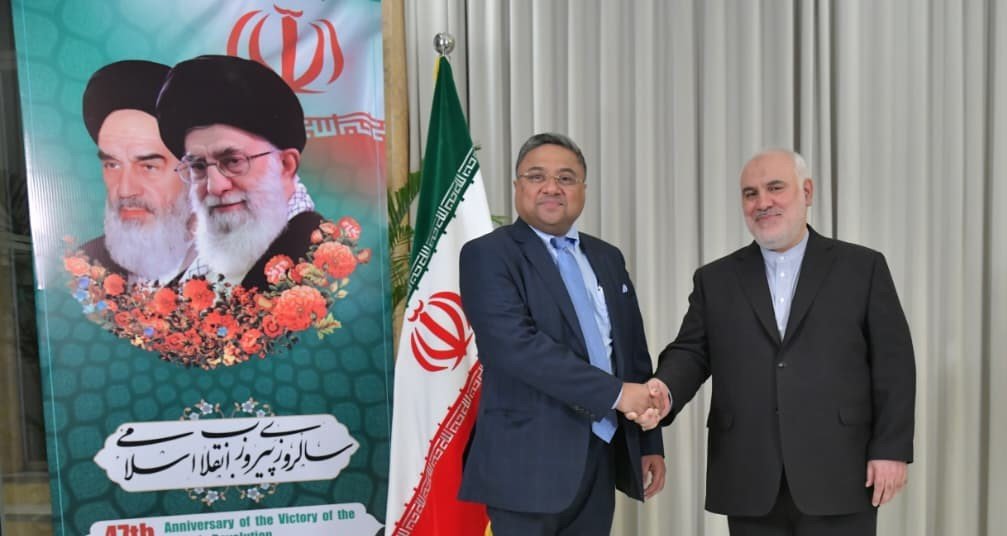
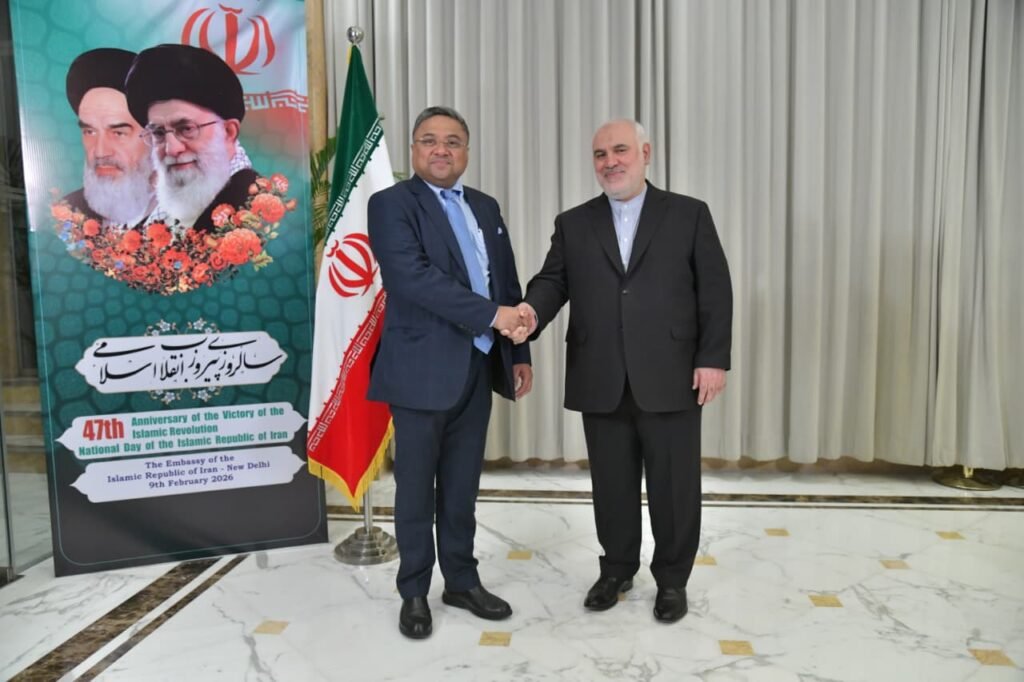
Iran’s National Day 2026 was commemorated with dignity and warmth, marking the 47th anniversary of the victory of the Islamic Revolution and celebrating Iran’s enduring spirit of resilience, independence, and progress. The occasion also highlighted the deep-rooted and time-tested relationship between Iran and India, a partnership shaped by centuries of shared history, culture, and civilizational ties. Addressing a distinguished gathering of diplomats, officials, and guests, His Excellency Dr. Mohammad Fathali, Ambassador of the Islamic Republic of Iran to India, reflected on the historic significance of the 1979 Islamic Revolution and its continuing influence on Iran’s national identity and global outlook. He underlined Iran’s achievements in science, technology, healthcare, and economic self-reliance despite sustained external pressures. The celebration further served as a platform to reaffirm the strength of Iran-India relations, emphasizing strategic cooperation, cultural bonds, and a shared vision for regional stability, multilateralism, and inclusive global development.
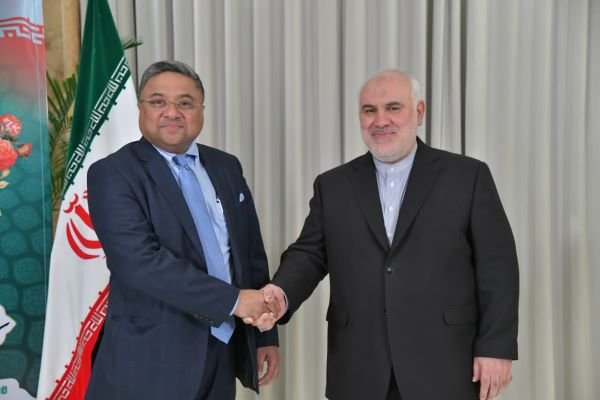
The 47th anniversary of the victory of the Islamic Revolution of Iran was commemorated with dignity and warmth at Iran’s National Day celebrations in 2026, reflecting both Iran’s revolutionary journey and the deep, time-tested friendship between Iran and India. Addressing the gathering, His Excellency Dr. Mohammad Fathali, Honorable Ambassador of the Islamic Republic of Iran to India, underlined the historical significance of the 1979 Islamic Revolution and its continuing impact on Iran’s national identity and global outlook.
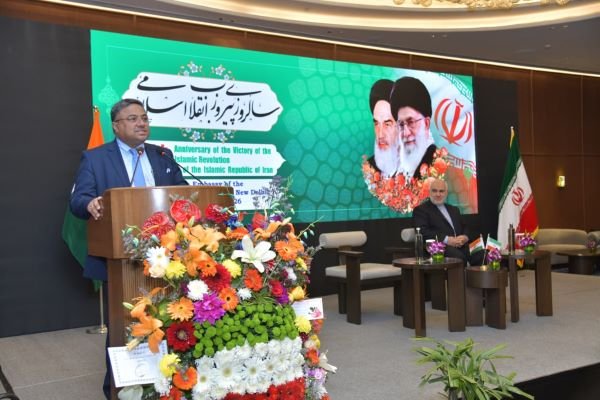
Dr. Fathali described the Islamic Revolution as the manifestation of the Iranian people’s will to reclaim sovereignty, dignity, and independence. Rooted in faith, the leadership of Imam Khomeini, and Iran’s historical consciousness, the revolution was not merely a transfer of political power but a decisive break from foreign domination. Since its inception, the Islamic Republic has pursued principles of independence, freedom, justice, and resistance to coercion, values that, despite sustained external pressures and unjust sanctions, have guided the country with resilience and stability.
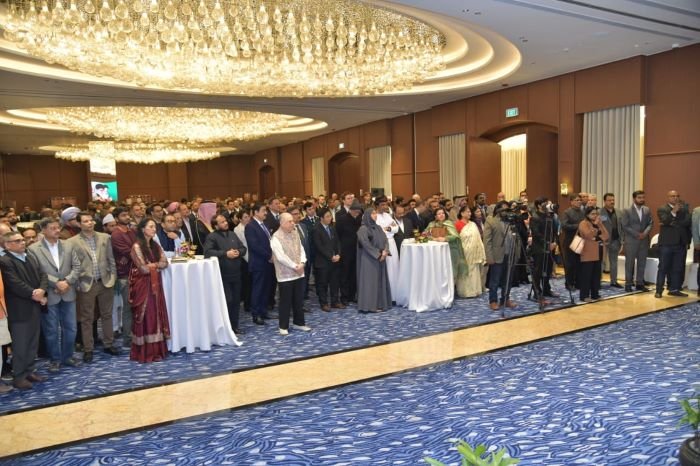
Highlighting Iran’s achievements over the past five decades, the Ambassador pointed to notable progress in science, technology, healthcare, and knowledge-based industries, driven largely by domestic capacities and a skilled workforce. He noted that even under challenging economic conditions, Iran has expanded industrial production, increased non-oil exports, and taken visible steps toward a diversified and resilient economy. Advances in healthcare coverage, pharmaceutical self-sufficiency, housing, and digital infrastructure have significantly improved citizens’ quality of life.
On foreign policy, Dr. Fathali emphasized Iran’s commitment to balanced and dynamic diplomacy, expanded ties with neighbors and emerging powers, and active participation in regional and international organizations. He reaffirmed Iran’s consistent support for dialogue, multilateralism, and regional peace, while stressing that the Iranian nation has continued to progress under the wise leadership of the Supreme Leader, Ayatollah Khamenei.
A major focus of the address was the enduring Iran–India relationship, anchored in thousands of years of shared civilization and cultural exchange. The Ambassador highlighted the Chabahar Port project as a symbol of strategic cooperation and regional connectivity, along with the 20th Iran–India Joint Economic Commission held in 2025. India’s BRICS presidency, he noted, offers further opportunities for close collaboration.
INDIA reaffirms zero-tolerance policy against terrorism at Iran National Day 2026 : Sibi George
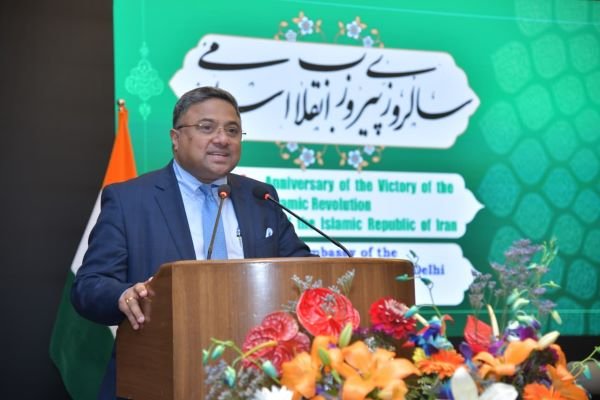
At the Iran National Day celebrations, the fight against terrorism took center stage as His Excellency Sibi George, Secretary (West), Ministry of External Affairs of India, delivered a firm and unambiguous message. He underscored that terrorism, especially cross-border terrorism, remains among the most serious threats to global peace, stability, and development. Reiterating India’s unwavering policy of zero tolerance toward terrorism in all its forms, he stressed that sustainable progress and human security are impossible in the presence of violence and extremism, calling for united international action and strong partnerships to confront this shared challenge.
Representing the Government of India, His Excellency Sibi George, Secretary (West), Ministry of External Affairs, extended warm greetings to the people and government of Iran. He recalled that 2025 marked 75 years of diplomatic relations, with Iran among the first nations to engage India after it became a republic. Emphasizing cultural bonds, he cited the shared literary heritage of Persian and Indian poets, architectural influences, and the recognition of Farsi as a classical language in India’s New Education Policy.
Reflecting on his personal experiences in Iran, Sibi George spoke of cities such as Isfahan, Shiraz, Mashhad, and Chabahar, and highlighted historical links symbolized by Sikh gurdwaras and Hindu temples. He reaffirmed strong high-level engagements, growing cooperation in BRICS and SCO, shared commitment to the Global South, economic collaboration, people-to-people exchanges, and India’s zero-tolerance stance on terrorism. The celebration underscored not only Iran’s revolutionary legacy but also a forward-looking partnership between Iran and India—one grounded in history, strengthened by cooperation, and oriented toward shared prosperity and global responsibility.
.



