





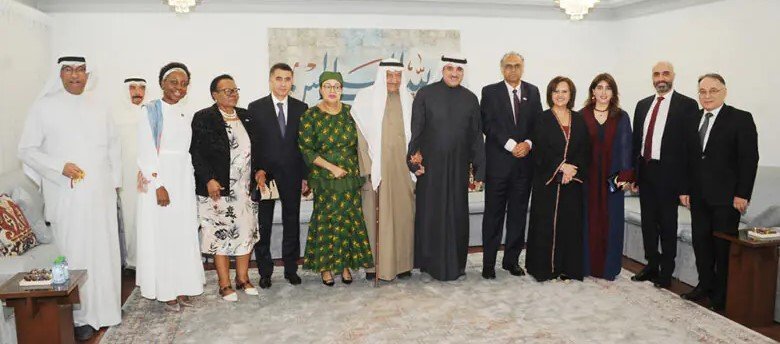

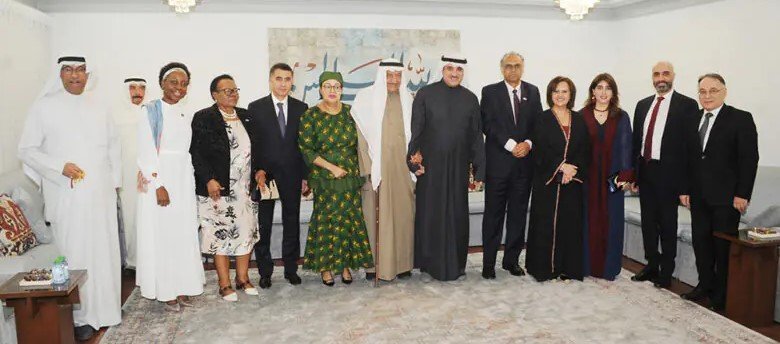
On 24 February, Tareq AlShumaimry, Editor-in-Chief of The Times Kuwait, hosted his annual Ramadan diwaniya, welcoming friends, dignitaries, diplomats, and well-wishers during the holy month of Ramadan. The gathering stood as more than a customary social event; it reflected the enduring strength of Kuwait’s diwaniya culture as a cornerstone of community engagement, open dialogue, and informal diplomacy.
Held in a warm and gracious setting, the diwaniya brought together families, community leaders, foreign diplomats, and members of the business community to exchange greetings and extend heartfelt wishes for Ramadan. The atmosphere was marked by respect, hospitality, and a shared spirit of reflection that defines the holy month. Conversations flowed easily, bridging cultures and professions, while reinforcing the bonds that unite Kuwait’s diverse society.
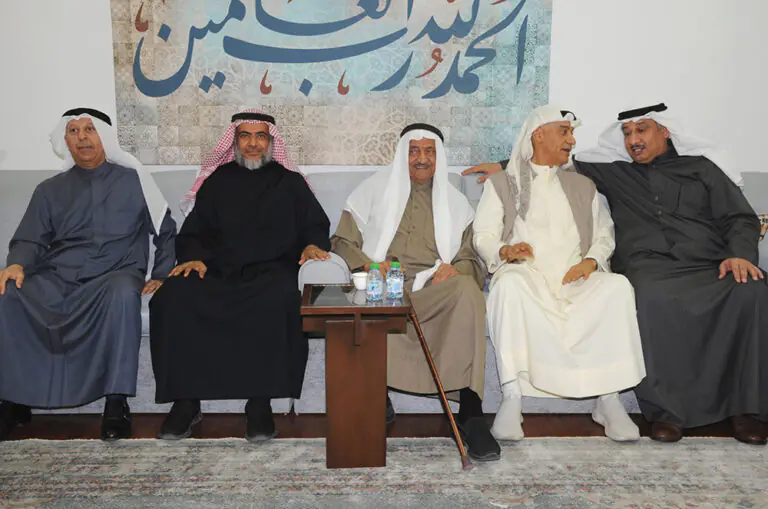
In keeping with Kuwait’s time-honored traditions, the event fostered meaningful interaction between citizens, expatriates, and long-term residents. The diwaniya, deeply embedded in Kuwaiti heritage, continues to serve as a vital space where ideas are exchanged freely and relationships are nurtured. Such gatherings reinforce social cohesion, offering a respectful and friendly environment in which people from different backgrounds come together with mutual appreciation.
Beyond its cultural significance, the Ramadan diwaniya also carries notable strategic value across social, diplomatic, and economic dimensions. The presence of diplomats underscored its role as an informal diplomatic platform. In Kuwait, these gatherings often function as spaces where connections are strengthened outside formal protocol. Away from official meeting rooms, dialogue becomes more personal and candid, allowing for trust-building conversations that can support bilateral cooperation and cultural understanding.
Business leaders and professionals likewise found opportunities to engage in constructive discussions, explore collaborative prospects, and deepen networks. By blending tradition with contemporary relevance, the diwaniya demonstrated how heritage practices can continue to play a meaningful role in modern society.
Among those present was Yousef Al Shumaimr, who was seen engaging warmly with guests throughout the evening. His participation further highlighted the family-oriented and inclusive spirit of the event. Ultimately, the annual Ramadan diwaniya once again affirmed its place as a cherished institution, strengthening community ties while quietly advancing dialogue, goodwill, and long-term partnerships.



