






BY MOHAMMAD TARIQUE SALEEM
Kuwait has heightened its national security and emergency preparedness following a series of hostile incidents targeting vital infrastructure, as His Highness the Prime Minister Sheikh Ahmad Abdullah Al-Ahmad Al-Sabah conducted a high-level inspection visit to Kuwait International Airport on March 27. During the visit, the Prime Minister chaired a meeting with senior officials to assess the response to a fire that broke out after what authorities described as a criminal attack on fuel storage tanks at the airport.
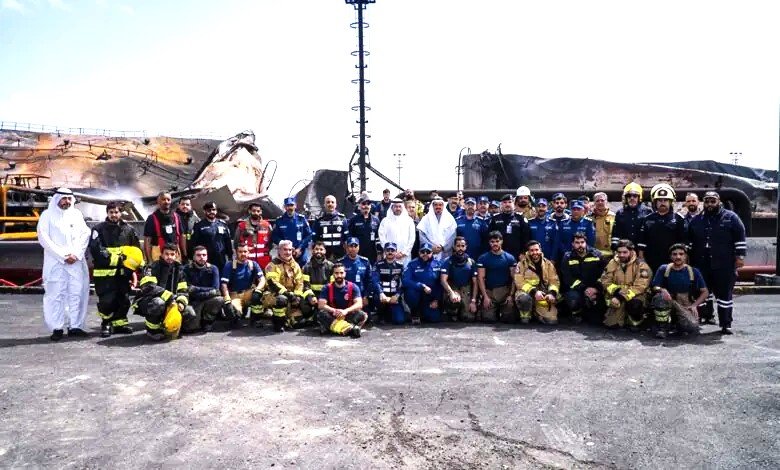
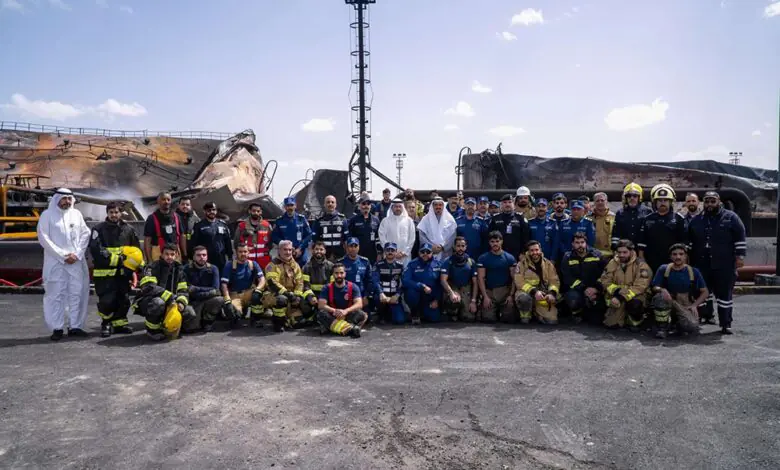
The blaze, which was swiftly contained, resulted in material damage but no human casualties. Officials briefed the Prime Minister on the rapid coordination between emergency services and relevant authorities that ensured the situation was brought under control efficiently. His Highness personally inspected the affected fuel tank area, reviewing the extent of the damage and the safety measures implemented during the emergency response.
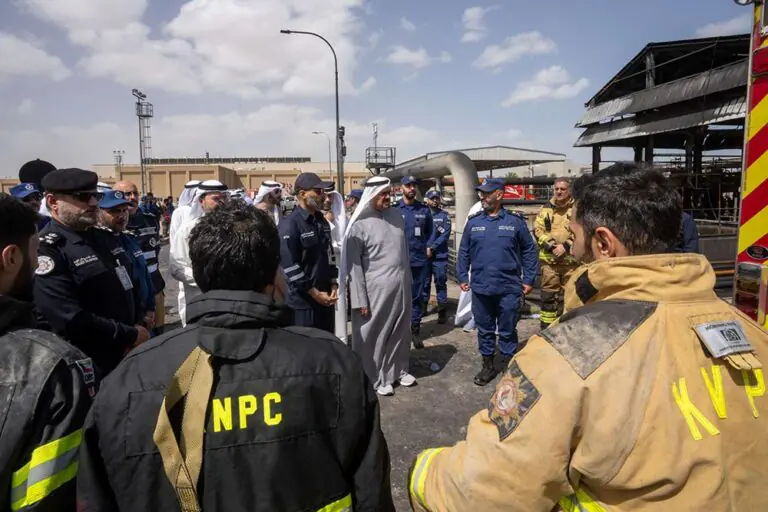
He conveyed greetings and appreciation from His Highness the Amir Sheikh Meshal Al-Ahmad Al-Jaber Al-Sabah and His Highness the Crown Prince Sheikh Sabah Khaled Al-Hamad Al-Sabah, praising the dedication and professionalism of national personnel who responded to the incident under challenging circumstances. The Prime Minister commended firefighting teams, security forces, and technical staff for their commitment and sacrifices, highlighting their role in safeguarding national infrastructure and public safety.
Senior officials accompanying the visit included representatives from civil aviation, fire services, and fuel management authorities. Meanwhile, Kuwait’s defense and security agencies reported a series of aerial threats over the past 24 hours. The Ministry of Defense confirmed the interception and destruction of four ballistic missiles and three drones within Kuwaiti airspace.

A cruise missile targeting Mubarak Al-Kabeer Port caused limited material damage, while separate drone attacks on both Mubarak Al-Kabeer and Shuwaikh ports also resulted in no casualties. In parallel, the Ministry of Interior revealed that Special Forces successfully intercepted nine drones during the same period. Explosive ordnance teams responded to multiple debris incidents resulting from interception operations, reflecting the intensity of ongoing defensive efforts.
Warning sirens were activated several times across the country, underscoring the seriousness of the situation. Authorities also emphasized advancements in public safety systems. The General Directorate of Civil Defense announced the activation of a national emergency alert system on smartphones, requiring users to update to the latest operating systems to receive real-time warnings. The system, currently under testing, aims to enhance early warning capabilities and ensure citizens and residents are promptly informed during emergencies.
Officials stressed that Kuwait’s armed forces and security agencies remain on high alert, operating within an integrated framework of monitoring, tracking, and rapid response. The government reaffirmed its commitment to maintaining national stability and protecting lives and infrastructure amid ongoing regional tensions. As Kuwait navigates this critical period, leadership and frontline responders continue to demonstrate resilience, coordination, and unwavering dedication to the nation’s security.