





BY MOHAMMAD TARIQUE SALEEM
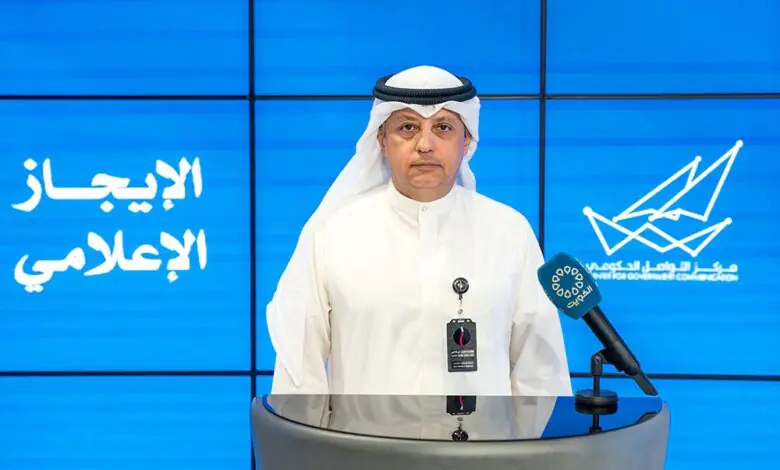
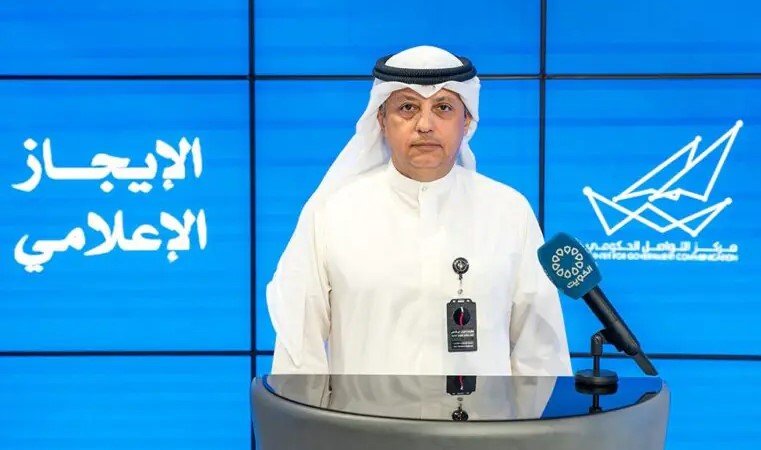
The recent drone attack attributed to Iran on Kuwait’s vital oil infrastructure marks a dangerous escalation that threatens not only regional stability but also global energy security. The strike, which caused significant damage to facilities operated by Kuwait Petroleum Corporation (KPC), has drawn sharp concern from observers who see it as a reckless act undermining peace in the Gulf. According to official statements delivered by KPC spokesperson Hisham Al-Refaei, the early morning assault targeted multiple strategic sites, including the Shuwaikh-based oil sector complex that houses both KPC and the Ministry of Oil.
The attack triggered fires and caused extensive material damage, disrupting key operational facilities linked to Kuwait National Petroleum Company and Petrochemical Industries Company. While emergency teams managed to prevent casualties, the scale of destruction underscores the severity of the aggression. Kuwait’s response, however, reflects a model of resilience and professionalism. Firefighting units, supported by the Kuwait Fire Force, acted swiftly to contain the flames and secure the affected areas.
The absence of human casualties is a testament to Kuwait’s preparedness and its commitment to prioritizing human life even amid crisis. Authorities quickly implemented precautionary measures to protect workers and stabilize operations, demonstrating a calm and coordinated crisis response. This incident highlights a troubling pattern of destabilizing behavior by Iran, whose actions continue to threaten the sovereignty of its neighbors. Targeting civilian energy infrastructure is not merely a tactical move, it is a direct violation of international norms and a provocation that risks wider conflict.
Kuwait, known for its balanced diplomacy and commitment to regional cooperation, has consistently advocated for peace. In contrast, such attacks expose a disregard for dialogue and mutual respect. The broader implications of the strike are significant. Kuwait plays a crucial role in global oil markets, and any disruption to its production or refining capacity can have ripple effects on international energy prices. By endangering these facilities, Iran’s actions risk harming not only Kuwait but also economies far beyond the Gulf. At a time when the world seeks stability in energy supplies, such aggression is both irresponsible and counterproductive.
Despite the damage, KPC has reaffirmed its commitment to maintaining the highest safety and security standards. Coordination with relevant authorities is underway to assess losses and restore operations. Kuwait’s determination to recover swiftly sends a strong message: it will not be intimidated or destabilized by external threats. In moments like these, the contrast is clear. Kuwait stands as a responsible actor, focused on stability, safety, and cooperation. Iran’s actions, on the other hand, raise serious concerns about regional security and the risks of unchecked escalation. The international community must take note and reinforce the importance of protecting critical infrastructure and upholding peace in one of the world’s most vital regions.