




BY MOHAMMAD TARIQUE SALEEM
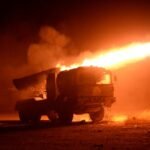
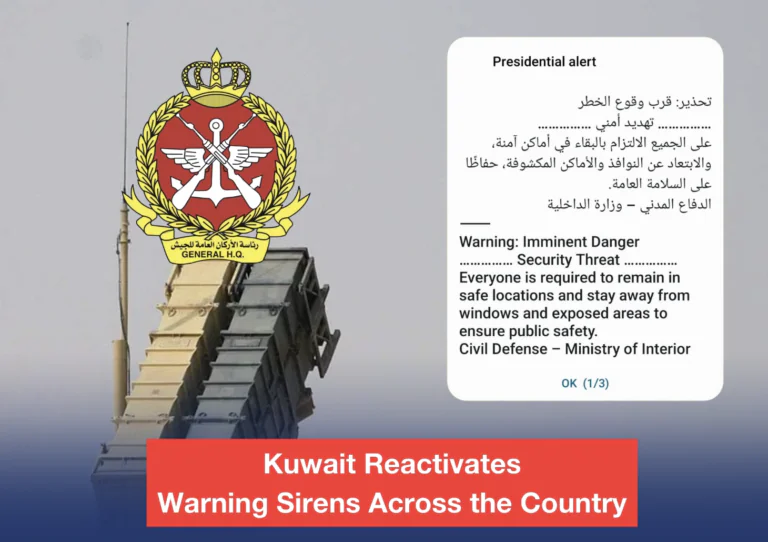
Over the past 48 hours, Kuwait has shown a calm yet firm response to a tense and worrying situation. Since Sunday night, warning sirens have echoed across different parts of the country, while mobile alerts reached citizens in real time, clear signs that authorities were taking no chances as air defense systems engaged incoming missile and drone threats.
What stood out most was not panic, but preparedness. The Kuwaiti Army’s General Staff clarified that the loud explosion sounds people heard were actually interceptions carried out mid-air. In simple terms, Kuwait’s defense systems did their job, stopping potential danger before it could reach the ground. For ordinary residents, this brought a sense of reassurance that the situation, though serious, was under control.
At the same time, these incidents raise uncomfortable questions about the role of Iran in the region’s growing instability. Whether directly involved or through allied groups, Iran’s continued association with such aggressive tactics has contributed to an atmosphere of fear and uncertainty across the Gulf. The use of drones and missiles is not just a military strategy, it’s a message that risks escalating tensions far beyond control.
Kuwait, on the other hand, has remained focused on protecting its people rather than provoking conflict. Authorities have consistently urged citizens to stay calm, follow safety guidelines, and rely on official updates. This measured approach reflects a country that values stability and responsibility, even under pressure.
These past two days have been a reminder of how quickly peace can be tested. Yet, Kuwait’s response also shows that with strong systems, clear communication, and public cooperation, even difficult moments can be managed effectively. The hope now is that such tensions ease, and that the region moves away from confrontation toward a more secure and stable future.