






BY MOHAMMAD TARIQUE SALEEM
Kuwait is sending a strong message to drug traffickers and promoters: the days of loopholes and leniency are over. With the upcoming implementation of Narcotics Law No. 159 of 2025 on December 15, the country is taking bold steps to protect its youth and society from the devastating effects of drugs. The scale of the problem is stark. Between 2023 and 2025, the General Directorate of Drug Control recorded 9,754 drug-related cases, involving 11,136 accused individuals.
Kuwaiti authorities confiscated 9.59 tons of narcotics and 45 million psychotropic pills, while 3,329 expatriates involved in drug offenses were deported. These numbers are more than statistics, they reflect lives affected, families disrupted, and communities at risk. A key feature of the new law is the integration of all narcotics and psychotropic substances under a single legal framework, ensuring that every offender faces equally strict penalties. In the past, certain chemicals carried lighter punishments, allowing some dealers to exploit the system.
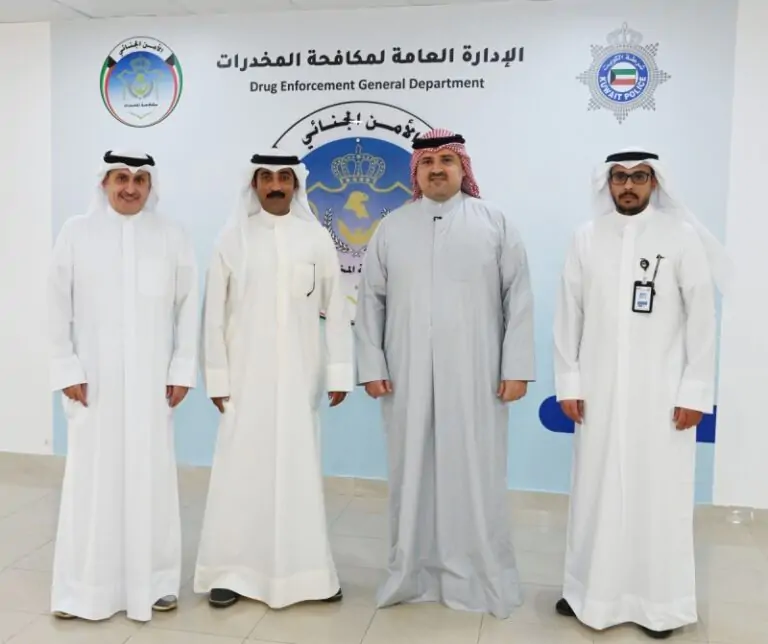
Now, there’s no escaping justice. Life imprisonment, heavy fines, and even execution are on the table for traffickers who harm society, especially when children or teenagers are involved. Brigadier General Muhammad Qabazard, Director General of the Directorate-General for Drug Control, explained, “The new law ensures that anyone who dares to harm our society risks the ultimate punishment.” Brigadier General Sheikh Hamad Al-Sabah added that enhanced powers to extradite suspects, monitor shipments abroad, and apprehend recipients will close gaps that once let traffickers slip through the cracks.
Technology will play a central role. Artificial intelligence will help authorities track dealers and promoters, particularly those using social media to lure young people into addiction. Combined with strict penalties, these tools aim to cut off all avenues for criminal activity. Yet, Kuwait’s approach is not only about punishment. The law treats addicts as patients rather than criminals, extending treatment periods to three months and ensuring confidential, voluntary rehabilitation. Families can step in early, helping loved ones recover before their struggles escalate into criminal cases.
Lieutenant Colonel Mohammed Munawer emphasized that this balance between enforcement and care gives addicts a genuine chance to turn their lives around. Heavy fines, reaching up to two million dinars in severe trafficking cases, further underscore Kuwait’s zero-tolerance policy. Authorities urge families to stay vigilant and warn youths about the dangers of drugs. By combining tough penalties, advanced technology, and humanitarian measures, Kuwait is charting a path that protects both society and its future generations. Law No. 159 positions the nation at the forefront of global efforts in both deterrence and rehabilitation, showing that justice and compassion can go hand in hand.