


BY SHAMSHER KHAN
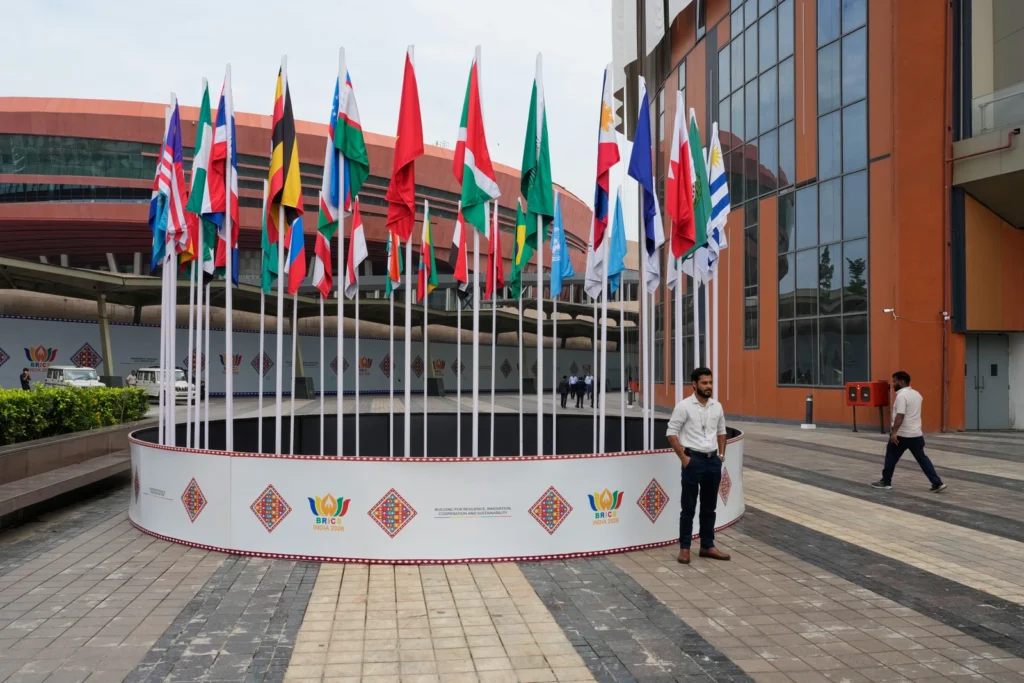
The 18th BRICS Summit, held in New Delhi on September 12–13, 2026, under India’s chairmanship, represents a pivotal moment for the grouping as it matures into a more expansive platform for emerging economies. Hosted at Bharat Mandapam under the theme “Building for Resilience, Innovation, Cooperation and Sustainability,” the summit brought leaders and representatives together to advance shared priorities in development, sustainability, innovation, trade, payments systems, and reformed global governance. The unanimous adoption of the New Delhi Declaration underscored the bloc’s ability to forge consensus on key issues ranging from counter-terrorism and critical minerals to cross-border payments and greater voice for the Global South in institutions such as the United Nations.
BRICS now encompasses a broader coalition that includes Brazil, China, Egypt, Ethiopia, India, Indonesia, Iran, Russia, Saudi Arabia, South Africa, and the UAE, alongside partner countries. This expansion enhances the grouping’s economic and demographic weight, positioning it as an important voice for multipolar cooperation. Leadership attendance reflected the seriousness of the occasion, with Indian Prime Minister Narendra Modi, Russian President Vladimir Putin, Chinese President Xi Jinping, and other heads of state or government participating, while several members sent high-level ministerial representatives. The successful adoption of a comprehensive declaration demonstrated practical diplomacy amid diverse national interests.
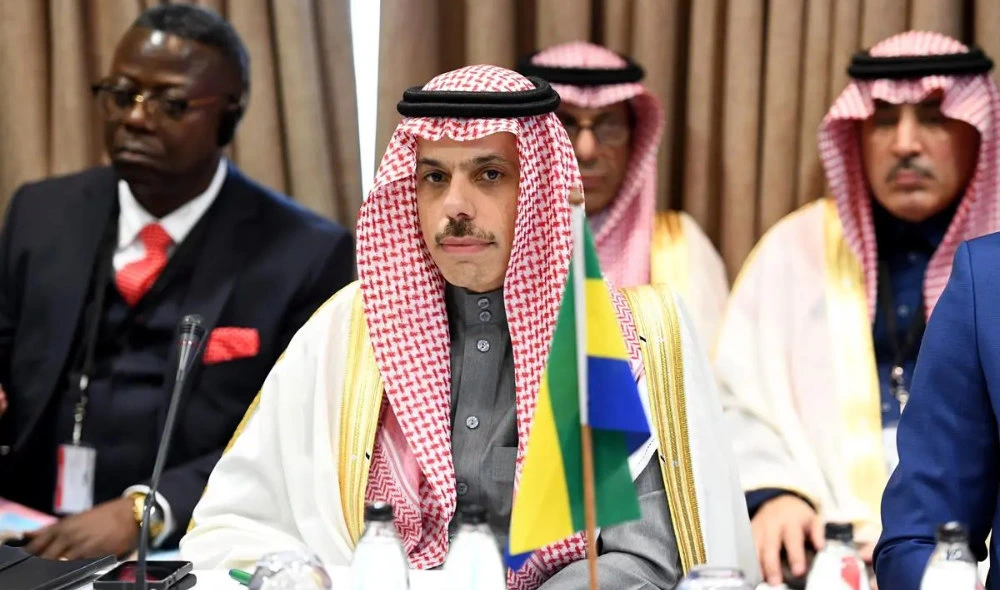
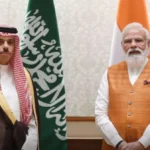
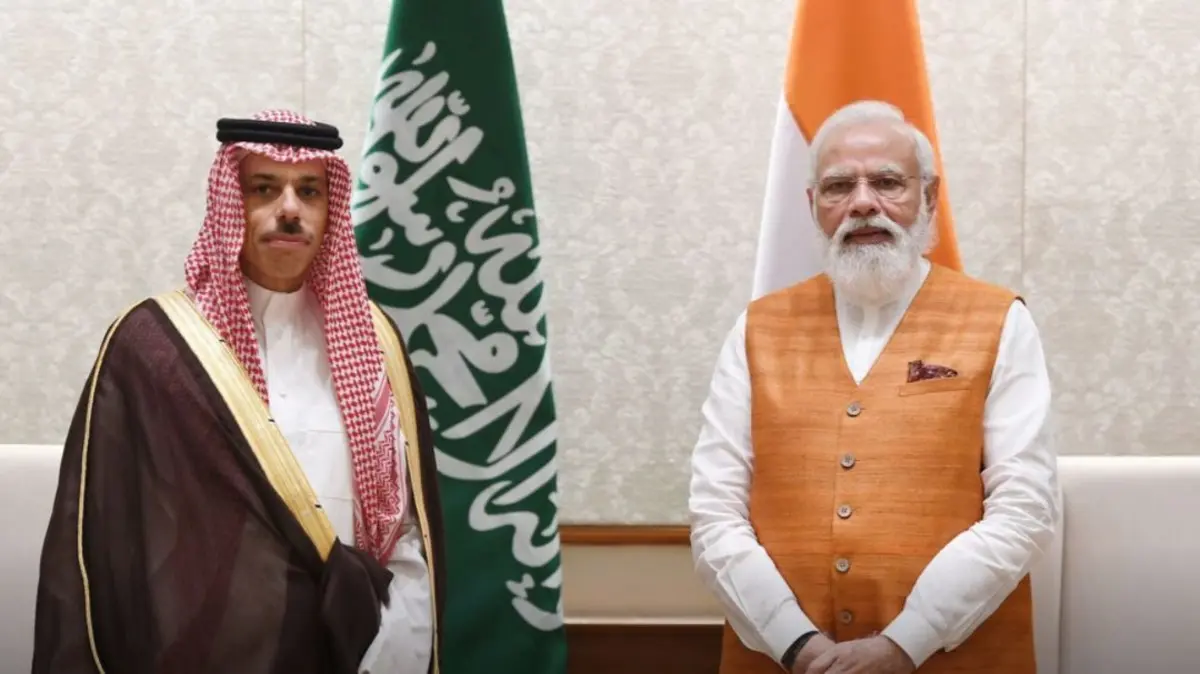
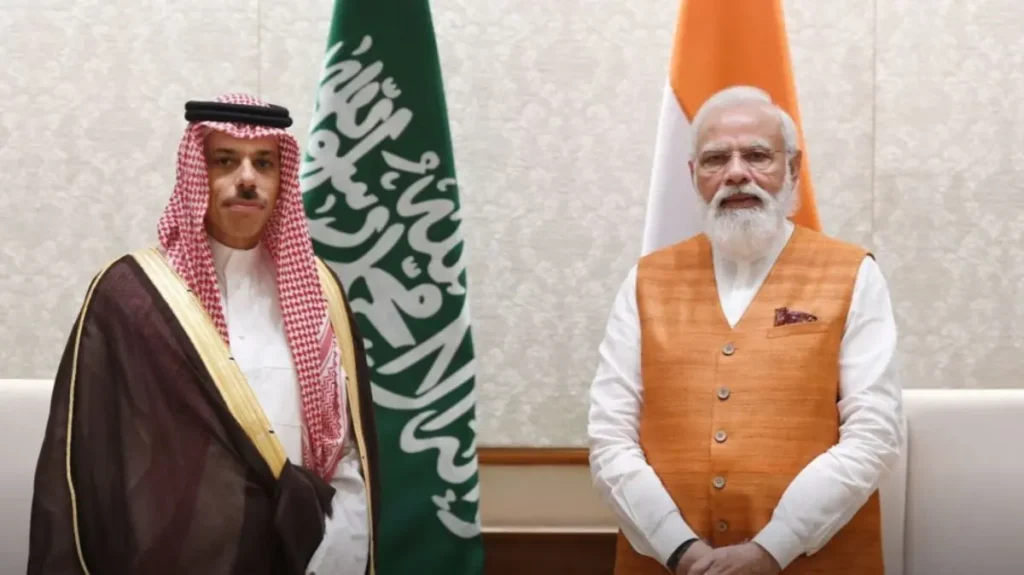
Saudi Arabia’s participation added meaningful depth to the proceedings. Represented by Foreign Minister Prince Faisal bin Farhan Al Saud on behalf of Crown Prince and Prime Minister Mohammed bin Salman, the Kingdom engaged constructively as an invited participant closely aligned with the bloc’s work. This presence highlights Saudi Arabia’s pragmatic and forward-looking approach to international partnerships. As one of the world’s leading energy producers and a major economic player in the Middle East, Saudi Arabia brings substantial weight in energy security, investment, and trade discussions, areas central to BRICS goals of resilient supply chains and sustainable growth.
Saudi Arabia’s engagement reflects a sophisticated multi-alignment strategy that strengthens rather than constrains its global role. By participating in BRICS forums, the Kingdom diversifies its diplomatic and economic relationships while continuing to pursue its Vision 2030 modernization agenda and longstanding partnerships elsewhere. Its involvement helps bridge perspectives within an expanded grouping that includes both energy producers and consumers, contributing to more balanced conversations on global energy markets, development finance, and regional stability. The Kingdom’s measured yet active presence supports BRICS efforts to explore practical cooperation in payments systems, technology, and sustainable development without requiring rigid bloc discipline.