

BY MOHAMMAD TARIQUE SALEEM
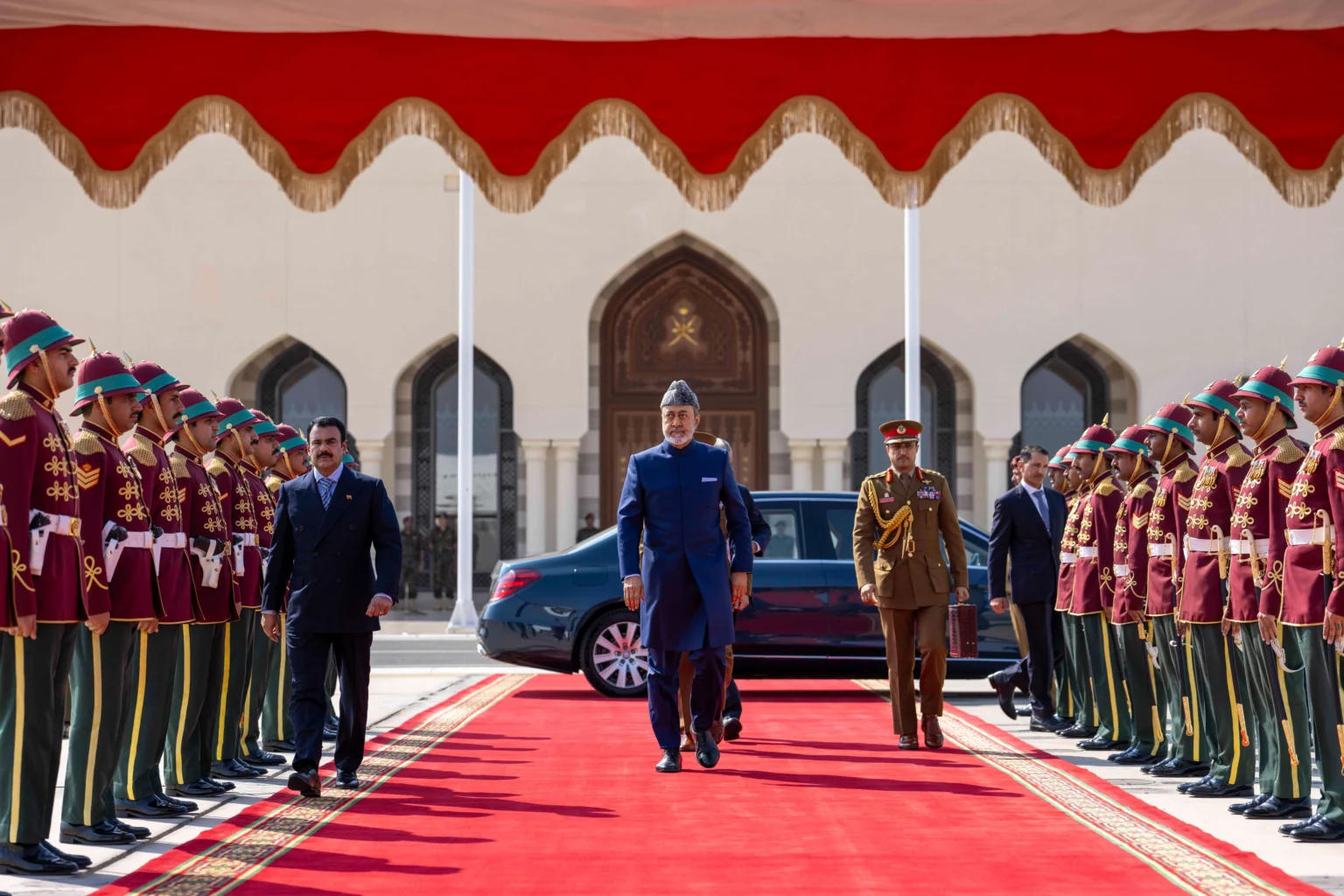
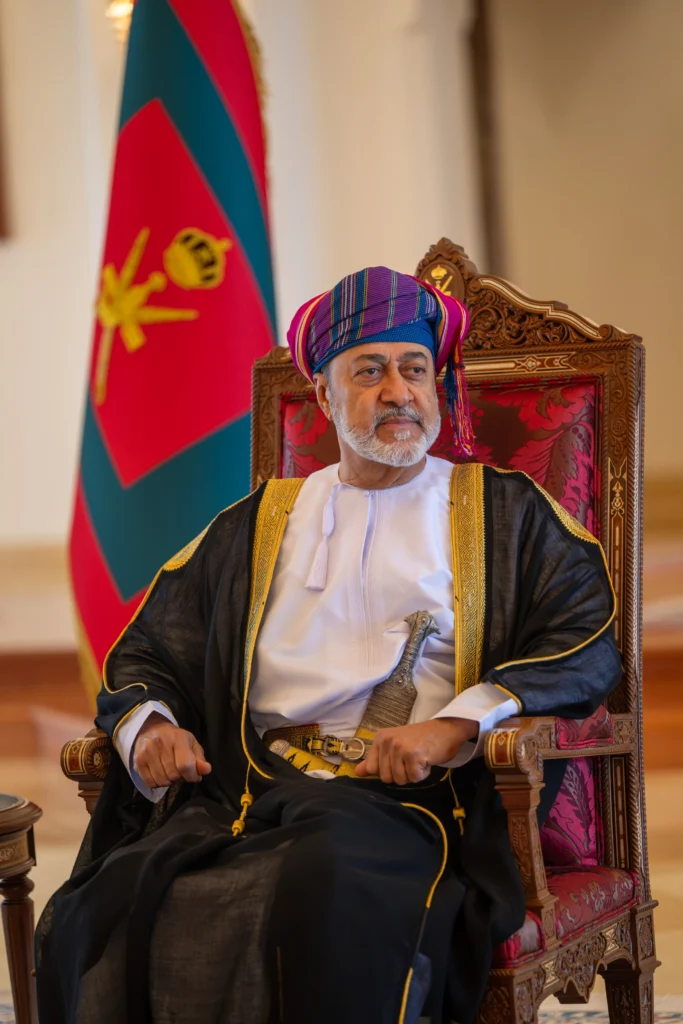
MUSCAT, 18 November 2026 — When Oman marks its National Day on 20 November, one figure will tell much of the story of its renewed renaissance. Public debt fell from 65.9 per cent to 34.6 per cent of gross domestic product over the five years reviewed by Oman Vision 2040, according to the Oman News Agency. For Sultan Haitham bin Tarik, that improvement gives the government more room to pursue the next stage of its development programme. How Oman uses that room will matter more to families and businesses than any ranking.
The fiscal gains continued into 2026. By the end of September, state revenues had risen 16 per cent year on year to RO 9.828 billion, leaving a budget surplus of about RO 90 million. The Ministry of Finance also settled RO 1.434 billion in dues owed to private businesses. For contractors and suppliers, those payments put cash back into day-to-day operations. In September, S&P affirmed Oman’s BBB− investment-grade rating with a stable outlook and projected real GDP growth of about 3.5 per cent for 2026.
The composition of that growth shows how much work remains. In the second quarter of 2026, real GDP grew 5.1 per cent, with oil activity up 14.7 per cent and non-oil activity up 0.7 per cent. The gap gives particular urgency to the Eleventh Five-Year Development Plan for 2026–2030. Bringing private investment into industries that can export, hire Omanis and sustain demand for local suppliers is central to reducing the economy’s exposure to swings in oil revenue.
Two developments show where Oman is placing its bets. Cargo volumes in the first half of 2026 rose 52 per cent at Sohar and 15 per cent at Salalah, strengthening the case for logistics as a source of non-oil income. At Duqm, the first phase of a wind turbine manufacturing project represents an investment exceeding RO 70 million. Its value will also depend on the orders it can secure and the opportunities it creates for Omani engineers, technicians and suppliers.
Oman is also looking to its position between the Gulf, South Asia and East Africa to draw investment. The International Financial Centre of Oman, established by royal decree in 2026, is intended to attract conventional and Islamic banking, insurance and investment firms. Its ability to bring in institutions that operate across those markets will help determine whether it can generate specialised jobs and deepen Oman’s financial services sector.
For Omani households, the National Day record includes more immediate gains. Social protection reached over 1.5 million beneficiaries by the end of 2025, and the 2026 budget allocated about RO 614 million to the system. New hospitals in A’Suwaiq, Khasab and Mahout extended public services across several governorates. By the end of September, the Ministry of Labour had reported 53,525 opportunities across employment, replacement hiring and training linked to jobs, reaching 89 per cent of its annual target.
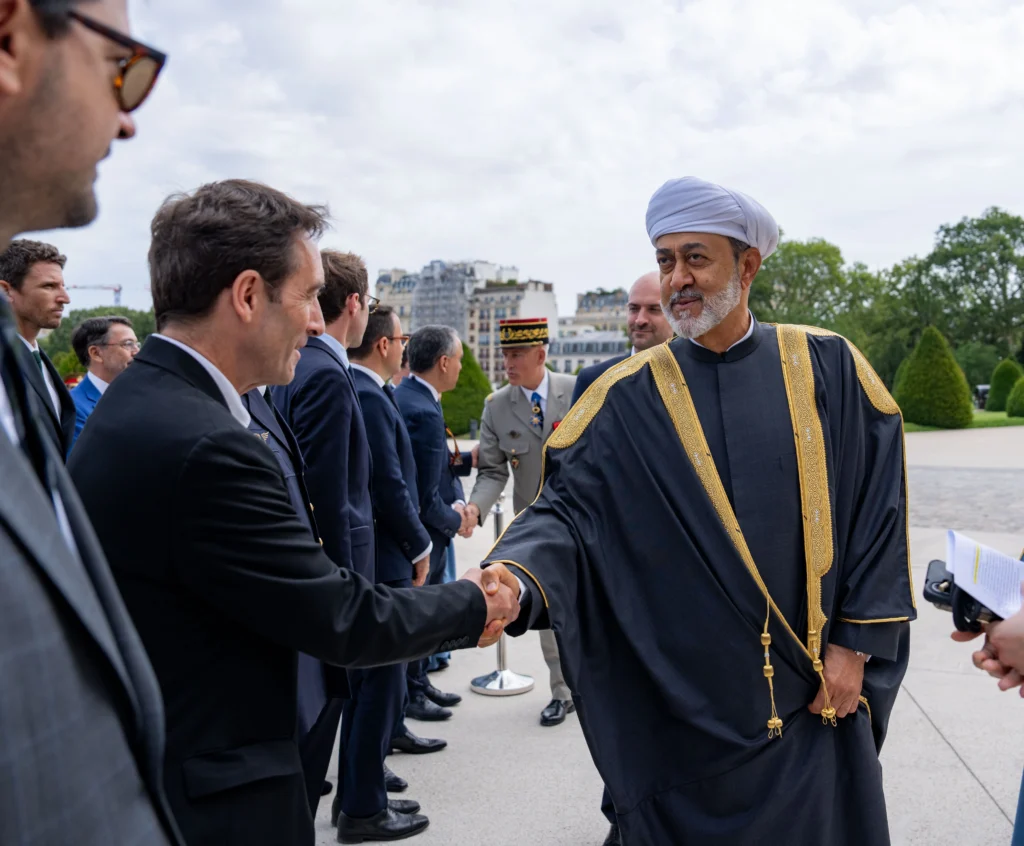
The Sultanate has carried its emphasis on stability into foreign policy. Sultan Haitham’s visits across Europe, Asia and Africa opened further avenues for trade and investment, while Oman used its address to the United Nations General Assembly to reaffirm respect for sovereignty, good neighbourliness and international law. Its calls for de-escalation and freedom of maritime passage also carry economic weight for a country investing in ports and regional trade.
As Oman celebrates National Day, its stronger finances give it a chance to shape what comes next. The clearest signs of progress over the next five years will be sustained growth outside oil, more Omani firms winning business from major projects and more young Omanis finding careers in the industries the Sultanate is building.