







BY SHAZIA SALEEM
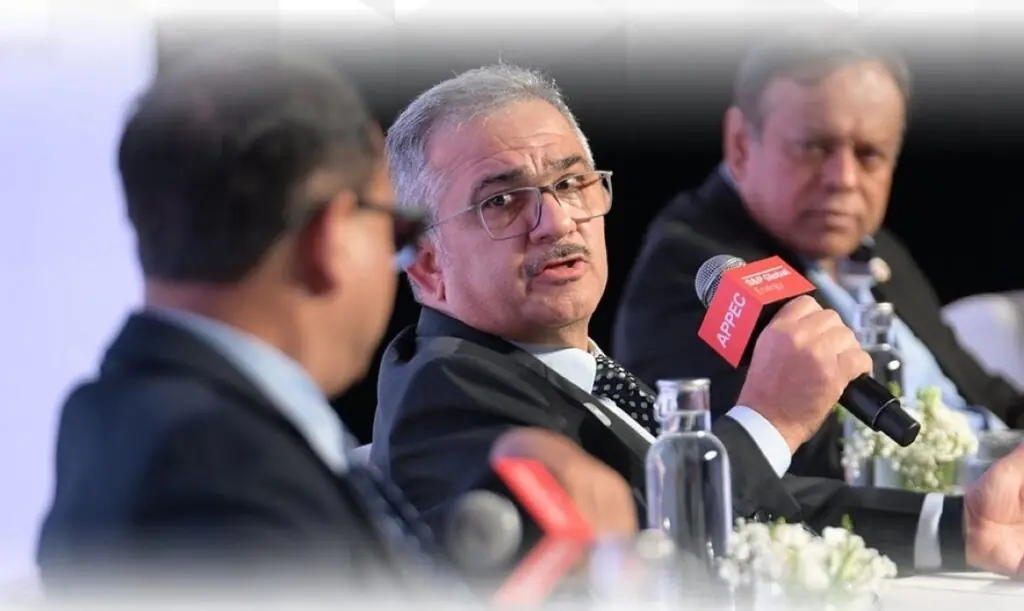
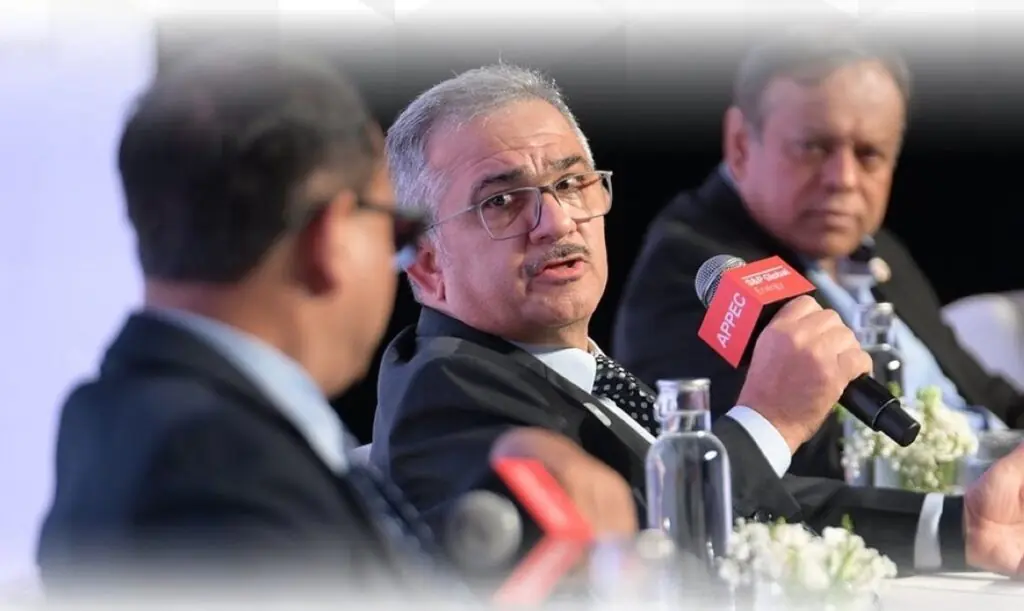
The Kuwait Petroleum Corporation (KPC) is widening its shipping options and working closely with international customers to keep petroleum products moving despite disruptions affecting navigation across the region, KPC Deputy Managing Director for Global Marketing Contracts Emad Al-Kandari said at APPEC 2026 in Singapore.
Al-Kandari said the corporation has continued to support customers despite what he described as unprecedented challenges for shipping and international trade. For KPC, he said, commercial partnerships cannot be measured solely by short-term prices, particularly during periods when transportation routes and operating conditions are under pressure.
When security conditions allow, Kuwait continues to route some vessels through the Strait of Hormuz. At the same time, KPC is offering customers alternatives, including ship-to-ship (STS) transfers outside the strait. Such arrangements provide greater flexibility in moving petroleum products while limiting exposure to risks associated with vessel transit through a strategically important but sensitive waterway.
The disruption has also produced a sharp increase in transportation costs. Al-Kandari said insurance premiums and shipping expenses had reached unprecedented levels as regional developments altered the risk calculations for vessel operators and energy traders. KPC is therefore working with customers with what he described as maximum flexibility to manage the additional pressure on supply arrangements.
He said uncertainty was particularly acute during February, March and April, when market participants had little visibility over how the situation would develop. As circumstances changed, companies began reassessing their supply sources and transportation options. Against this backdrop, Al-Kandari emphasised KPC’s preference for preserving long-term customer relationships rather than pursuing short-term commercial gains. He described customers as “friends in business”, arguing that trust becomes particularly important when normal trading conditions are disrupted.
Kuwait’s position in global petroleum markets gives KPC several options for responding to logistical challenges. Al-Kandari said the corporation was able to draw on its network of commercial partners, storage facilities, stations and logistics services to provide customers with alternative arrangements during the crisis. The experience, he suggested, demonstrated the value of flexibility within an energy supply chain.
Rather than relying on a single transportation route, KPC has been able to adjust its logistics and commercial arrangements according to prevailing security conditions. Al-Kandari also highlighted the continuing importance of the Gulf as a major source of global energy. Developments around the Strait of Hormuz, he said, have reinforced the connection between regional security, energy security and the uninterrupted movement of international trade.
Stable navigation through the region would therefore benefit far more than Gulf producers alone. Given the Gulf’s role in supplying global energy markets, maintaining reliable shipping routes remains a concern for refiners, traders, consumers and economies well beyond the region. KPC, Al-Kandari said, remains committed to meeting customer obligations and maintaining established commercial relationships while navigating an exceptionally challenging operating environment.



