

COMPILED BY SANJAY MISHRA
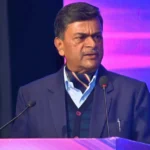
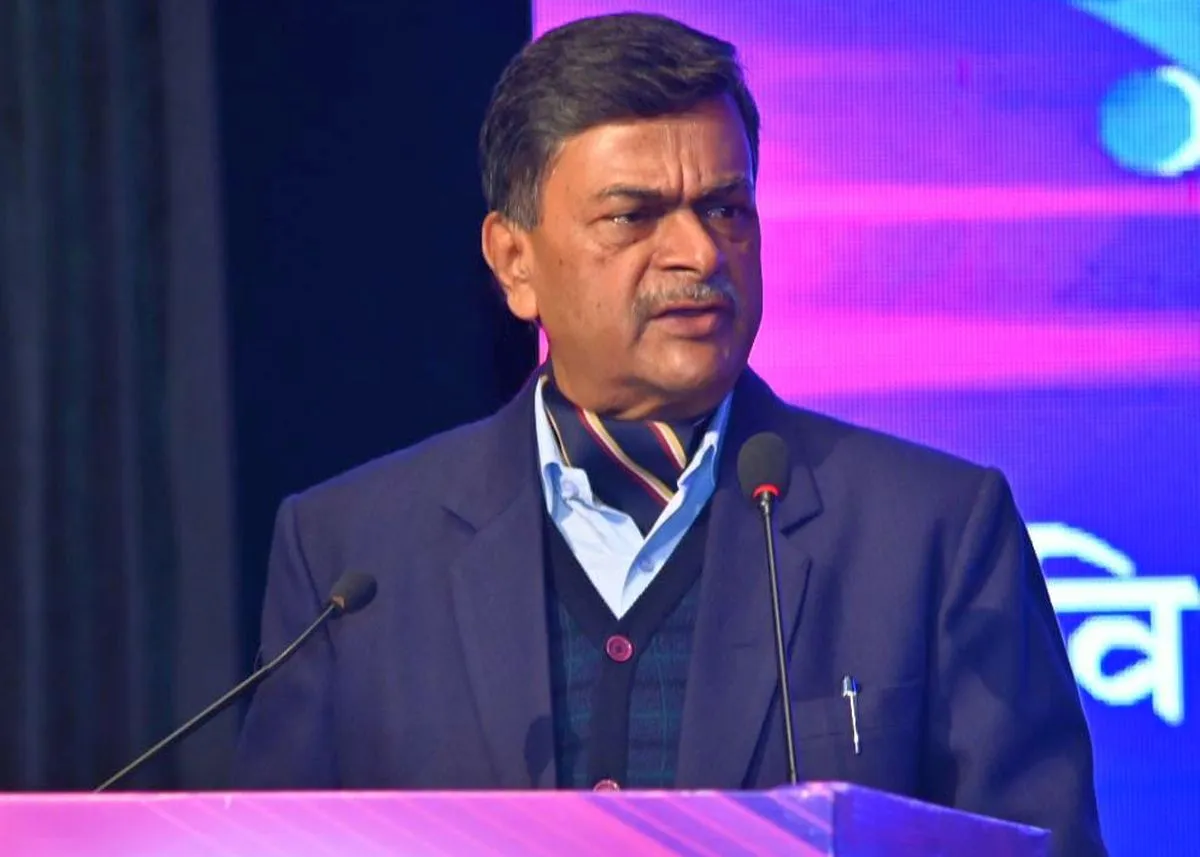
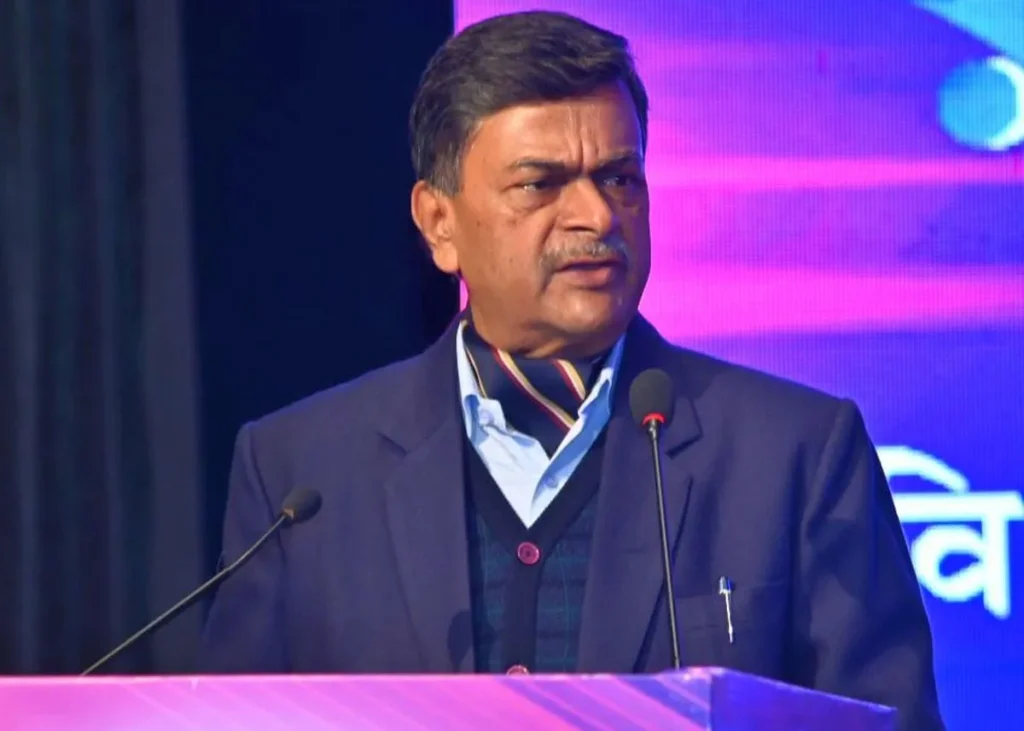
In the charged arena of Indian democracy, few voices carry the authority of a true insider, and fewer still dare to turn that authority against the system they once served. R.K. Singh, a 1975-batch IAS officer, former Union Home Secretary, and Power Minister in the Narendra Modi government for nearly seven years, has done exactly that. In a scathing open letter now widely discussed on journalist Ajit Anjum’s platform, the former BJP minister has levelled serious allegations of illegality against Chief Election Commissioner Gyanesh Kumar over the Special Intensive Revision of electoral rolls, accusing the poll body of systematically disenfranchising citizens in the name of cleaning the voter list.
What makes this intervention remarkable is not just the content, but the messenger himself, a man who once sat in the highest echelons of the very establishment he now accuses of undermining the electoral process. Singh’s core charge is unambiguous and damning. He alleges that the Special Intensive Revision (SIR) of electoral rolls, overseen by CEC Gyanesh Kumar, has crossed into illegality. Citing Sections 21 and 22 of the Representation of the People Act, 1950, Singh argues that a nationwide intensive revision was never contemplated by law.
Special revisions, he stresses, are meant only for specific constituencies or parts thereof, with reasons recorded in writing for each case. Turning an exception into a countrywide rule, he says, is itself unlawful. More explosively, he claims that names of voters enrolled by Electoral Registration Officers after 2003 were deleted en masse, without enquiry, without show-cause notices, and without giving citizens a hearing. Those removed were then forced to re-register as fresh voters through Form 6, effectively inverting the burden of proof onto ordinary citizens.
In the letter and the subsequent discussion on Ajit Anjum’s channel, Singh does not stop at procedural violations. He questions who authorised the addition of a new appendix to Form 6, an action he says went against the majority view of the other two Election Commissioners. He points to the use of revised rolls in elections even while appeals against deletions remained pending, and to the Election Commission’s reported filing of appeals against the inclusion of large numbers of voters in states like West Bengal.
The cumulative effect, according to Singh, is a “mission to disenfranchise people”, a historic reversal of the earlier national effort to enrol every eligible citizen. Coming from a former BJP minister and Home Secretary, these accusations land with unusual force. Singh is no outsider hurling partisan barbs. He knows the machinery of government and the letter of electoral law from the inside.
His call for criminal cases against the CEC, rather than a futile impeachment motion that the Opposition lacks the numbers to pass, and his appeal for Opposition parties to consider boycotting elections until the Commission is reconstituted under the older collegium system, have intensified the debate. The episode, highlighted on Ajit Anjum’s widely followed channel, underscores a deeper crisis of institutional credibility. When a senior figure who served the Modi government for years feels compelled to warn that democracy itself is under threat through the selective pruning of voter lists, the public is entitled to demand answers.
Transparent electoral rolls form the bedrock of free and fair elections. Any process that appears to delete names first and verify later risks eroding public trust, the most precious currency of a republic. R.K. Singh’s intervention is more than a political broadside. It is a reminder that the guardians of the vote must themselves remain above suspicion. Whether the Election Commission responds with clarity, data, and course correction, or allows the controversy to fester, will shape the perception of Indian democracy for years to come. The stakes could not be higher.