




ARABIAN TIMES NEWS NETWORK
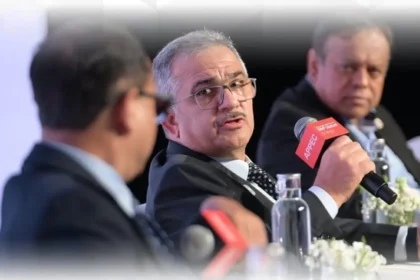
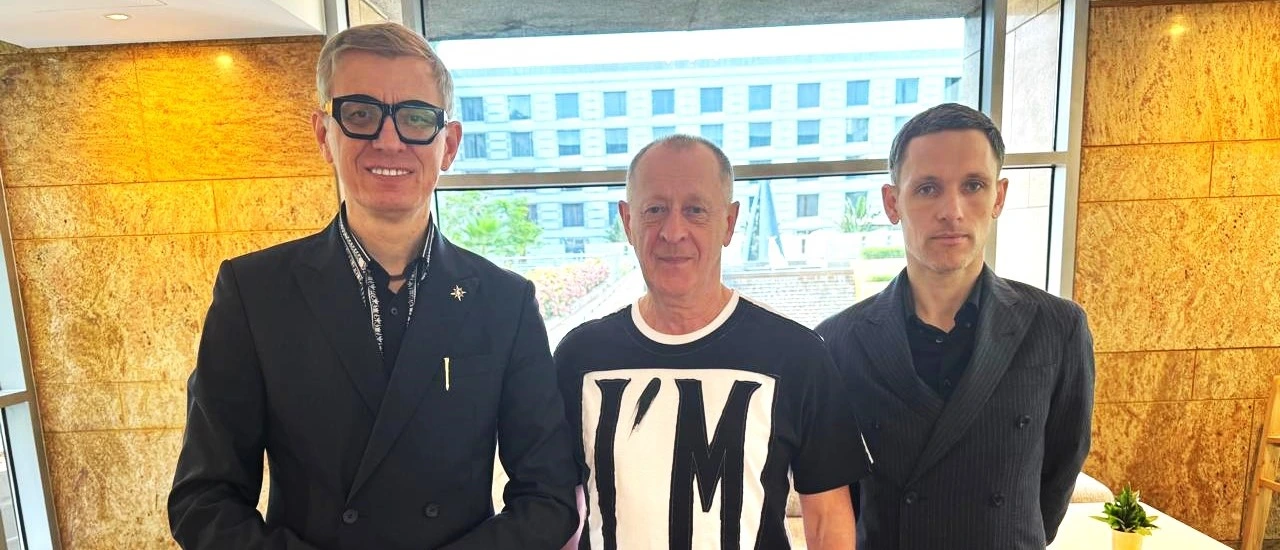
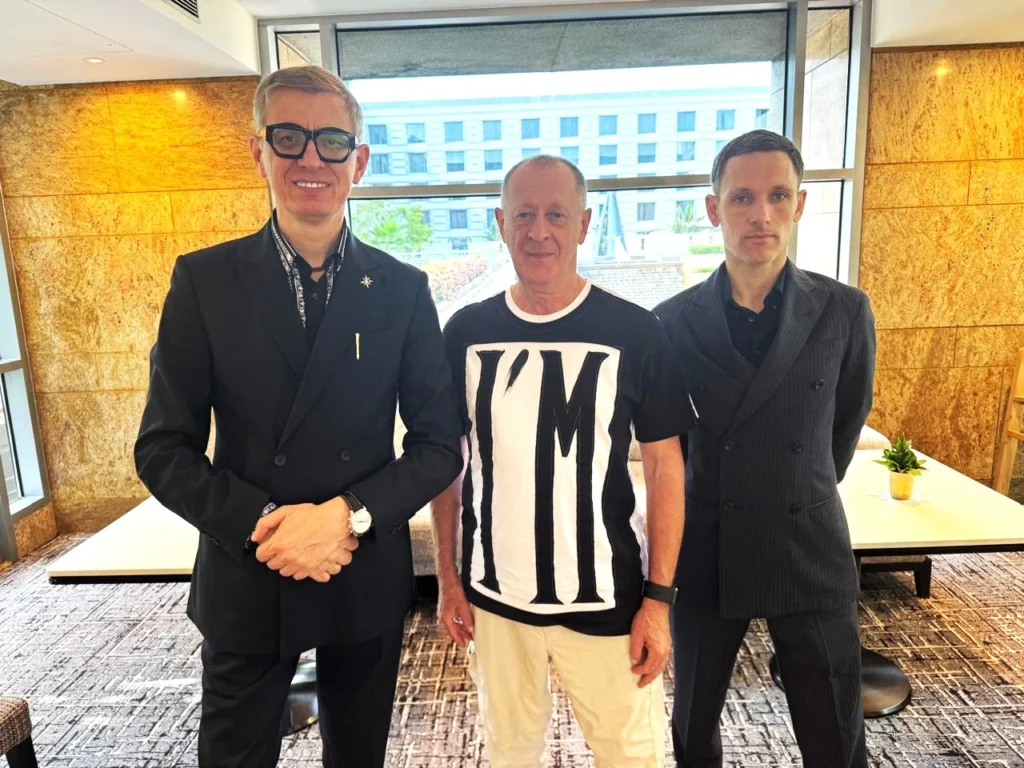
The annual Billionaires for Peace Conclave held on May 21, 2026, at the Grand Hyatt in Mumbai, bringing together public figures, business leaders and advocates of humanitarian dialogue around a shared message of ethical progress and spiritual responsibility. Among the distinguished guests was Dr. Sergey Dvoryanov, Vice President of the BRICS Cultural Media Forum, religious philosopher and author of the “Spiritual Constitution of BRICS” project, who led a delegation from Russia and the BRICS Plus countries.
A central theme of the forum was the promotion of seven essential human virtues, humility, forgiveness, generosity, love, truth, patience and gratitude, which organizer Dr. Huzaifa Khorakiwala, a businessman and peace advocate, described as the true measure of society’s spiritual evolution. Against this backdrop, special attention was drawn to “THE WEEK,” a global interactive spiritual and educational game project presented in Mumbai by Russian businessman and social entrepreneur Vitaly Terlyuk, shareholder and Chief Business Development Officer of Accofrisk, a billion-dollar company.
According to participants and observers, THE WEEK was presented not simply as an entertainment product, but as a large-scale cultural concept integrating interactive storytelling, moral philosophy and advanced technology into a single ambitious vision. At the heart of the project is the idea that stories can do more than entertain: they can encourage people to reassess their choices, values and capacity for inner transformation. The project is structured around seven days, each linked to a distinct archetype of human nature and to a moral crossroads shaped by the tension between the seven deadly sins and the seven virtues, themes that closely echoed the value framework promoted during the forum.
Rather than following a straightforward linear plot, THE WEEK unfolds through emotionally charged situations in which every decision may lead either toward truth, liberation and self-discovery or toward personal downfall. This ethical tension gives the project a distinctive identity and sets it apart from conventional entertainment formats often driven primarily by spectacle and speed. Its philosophical foundation draws on the Indian epic tradition, Buddhist thought and Christian ethics, while presenting these influences not as religious doctrine, but as a universal language through which audiences from different cultures can recognize common human dilemmas.
That universal approach is central to the project’s international positioning, as its creators envision THE WEEK as a bridge between East and West and as a storytelling world capable of resonating across Asia, the Middle East, Europe and the United States. Beyond its narrative concept, THE WEEK is being developed as a broader intellectual property platform with franchise potential in television series, books, merchandising and international distribution. Supporters of the project say this model demonstrates that cultural depth and commercial scalability do not have to conflict, and that meaningful storytelling can also be strategically viable in global markets.
The involvement of Accofrisk adds a further dimension to the initiative through expertise in wearable diagnostics, artificial intelligence and predictive medicine, connecting the project to wider discussions about how technology should serve human development. Accofrisk’s ARIA AI platform was described as capable of tracking more than 300 biometric indicators in real time through pulse-based analysis without invasive procedures, highlighting the technological ambition behind the broader vision and its conceptual links to ancient Indian and Chinese diagnostic traditions.
At a forum focused on intercultural dialogue, humanitarian impact and future-oriented ideas, THE WEEK stood out as a rare combination of artistic ambition, ethical reflection and strategic clarity. Its presentation in Mumbai suggested that innovation may be found not only in biotechnology or artificial intelligence, but also in stories that invite societies to reconsider who they are, what they choose and what kind of legacy they hope to leave behind.