

BY MOHAMMAD TARIQUE SALEEM
Lucknow, 25 September 2026: Craniofacial deformities remain an important but relatively under recognised healthcare challenge in India, particularly among children. General craniofacial anomalies occur in approximately one in 2,000 births, while orofacial clefts, among the most common congenital facial deformities, affect roughly one in 700 to one in 1,000 live births. This translates into an estimated 27,000 to 35,000 new cleft cases in India each year.
Despite the large population and substantial number of patients requiring treatment, the full national burden of craniofacial deformities is difficult to establish because India does not have a comprehensive national registry covering the entire spectrum of these conditions. Much of the available information comes from individual hospitals, institutional case series and regional studies. As a result, the distribution of patients, particularly those living in rural and underserved areas, is not always fully reflected in national data.
The challenge is compounded by the limited availability of specialised craniofacial teams and structured training opportunities for young surgeons. Craniofacial surgery is among the most technically demanding areas of reconstructive surgery. Procedures may involve the skull, forehead, facial bones and structures located close to the brain, eyes and major blood vessels. Complex operations can require several hours and close coordination between craniofacial plastic surgeons, neurosurgeons, anaesthesiologists, paediatric specialists and intensive care teams. The complexity of these procedures makes specialised training and supervised experience particularly important.
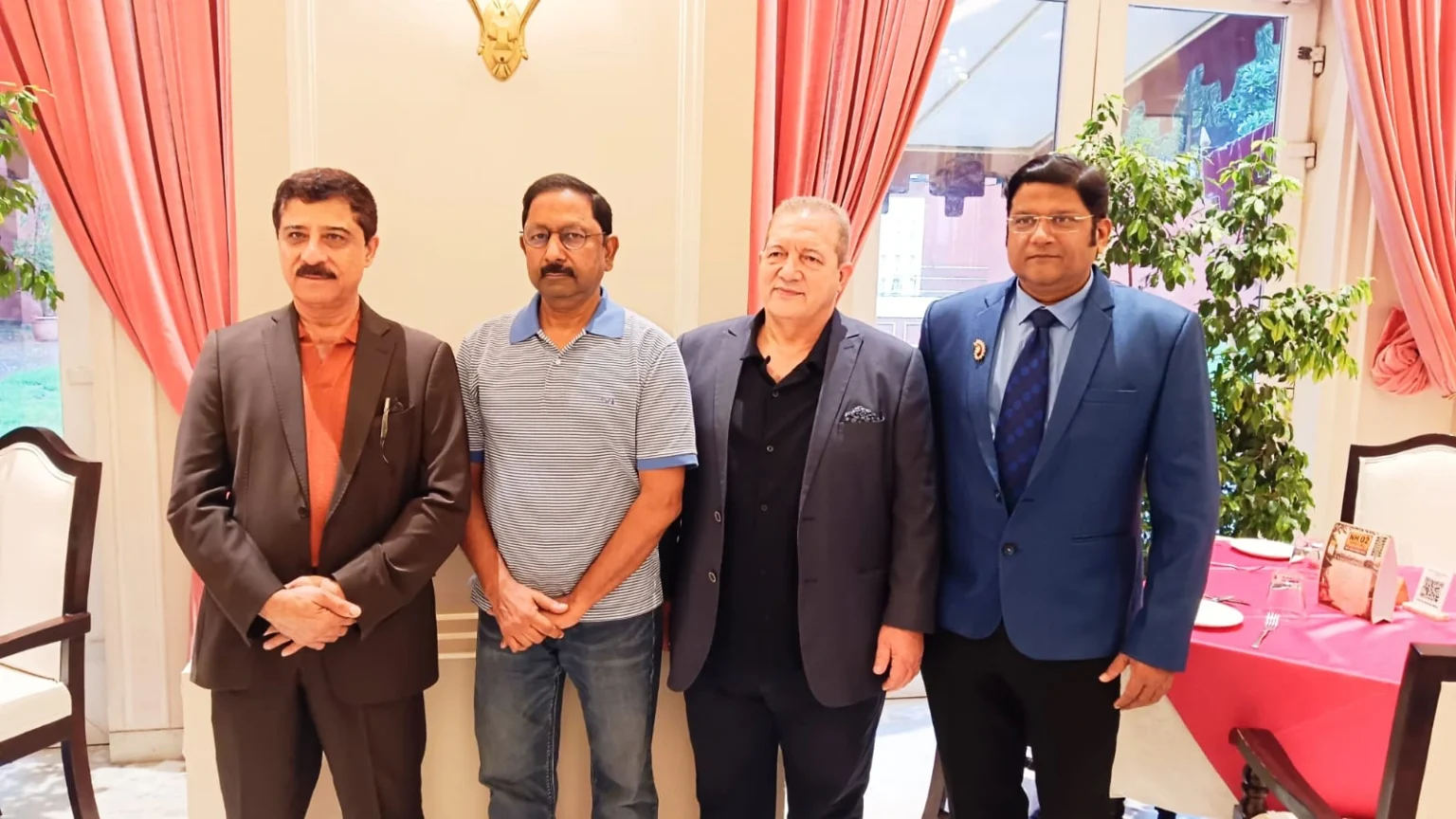
Dr. Taimoor Al Bulushi, a senior consultant in plastic and craniofacial surgery in Oman, has extensive experience in craniofacial and cleft surgery and is associated with the craniofacial unit at Khawla Hospital in Muscat. Oman has developed a national craniofacial service at Khawla Hospital, where multidisciplinary teams manage patients requiring specialised treatment. A 2026 study involving the National Craniofacial Center at Khawla Hospital reviewed 124 patients who underwent surgery for craniosynostosis between 2004 and 2023, highlighting the centre’s long standing experience in the field.
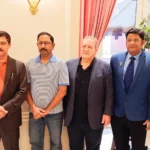
The importance of practical training was strongly emphasised during the fifth meeting of the Indo Gulf Craniofacial Society being held in Lucknow. As part of the programme, a craniofacial clinic was organised at Sanjay Gandhi Postgraduate Institute of Medical Sciences, where Dr. Taimoor Al Bulushi and his Omani colleague Dr. Adil Al Naggar joined Indian specialists for consultations and discussions involving patients with a range of craniofacial conditions.
Dr. Al Bulushi said the clinic was productive and provided an opportunity for Indian and Omani specialists to discuss individual cases and exchange views on treatment approaches. Eleven patients with conditions ranging from relatively straightforward to complex craniofacial cases were examined during the clinic. He said such interaction could lead to closer professional collaboration and suggested the possibility of a joint study involving craniofacial cases treated by the teams in Lucknow and Oman.
The next stage of the programme is a hands on craniofacial workshop focusing on cranial vault remodelling. Around two dozen surgeons and trainees are expected to participate. Because procedures involving the skull and structures beneath it carry significant risks, the workshop uses anatomical models rather than live patients. Participants can practise techniques such as drilling, osteotomies, craniotomy, cranial vault splitting, bone reshaping, repositioning and fixation in a controlled setting before performing such procedures under appropriate supervision in clinical practice.
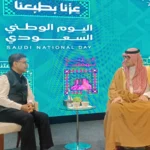
Dr. Al Bulushi said the collaboration between India and Oman provides an important opportunity for knowledge exchange. He described India as a large potential source of craniofacial cases because of its population and said Omani specialists were keen to encourage further interaction with Indian surgeons. He also noted that Omani specialists could provide opportunities for Indian surgeons to observe specialised procedures in the Gulf.
According to Dr. Rajiv Agarwal, President of the Indo Gulf Craniofacial Society, specialised training opportunities in craniofacial surgery remain limited, making workshops an important component of continuing surgical education. He explained that surgeons cannot safely learn complex craniofacial procedures for the first time on live patients. Model based training therefore enables residents and younger surgeons to understand the handling of instruments and develop familiarity with techniques before undertaking procedures in actual clinical settings.
The Indo Gulf Craniofacial Society was established to promote professional cooperation and exchange between specialists from India and the Gulf region. Its activities provide a platform for surgeons to discuss difficult cases, share experience and strengthen specialised training. The Society’s fifth meeting in Lucknow reflects the continuing effort to develop craniofacial expertise through international collaboration. The initiative also comes at a time when specialist centres are generating valuable clinical evidence. Recent research from the National Craniofacial Center at Khawla Hospital has documented two decades of experience in treating craniosynostosis, demonstrating the value of specialised multidisciplinary services and systematic clinical follow up.
For India, the broader objective is to expand the number of surgeons capable of providing safe and specialised craniofacial care. For Oman and other Gulf countries, collaboration with Indian institutions provides an opportunity for reciprocal learning, research and exposure to a wider range of clinical presentations. Through continued workshops, joint clinics, research and professional exchange, the Indo Gulf partnership is seeking to strengthen the specialist workforce and improve access to timely treatment for children with complex craniofacial conditions.