





BY MOHAMMAD TARIQUE SALEEM
Kuwait’s Vision 2035 represents more than a long-term development blueprint; it is an urgent national imperative to reposition the country as a leading financial, commercial, and cultural hub in the region. At the heart of this ambition lies infrastructure, modern, efficient, and future-ready. Prioritizing the execution of vital infrastructure projects is not merely desirable but essential to unlocking economic growth, enhancing productivity, attracting investment, and improving the quality of life for citizens.
For years, Kuwait has lagged behind several regional peers due to underdeveloped infrastructure. Recognizing this constraint, the current government has moved decisively to reverse the trend. Since taking office, it has accelerated infrastructure development, with nearly 300 active projects currently underway, valued at approximately KD35 billion. Notably, large-scale infrastructure projects account for nearly half of this investment, underscoring the strategic importance being placed on long-term national capacity building.
Modern infrastructure forms the backbone of thriving economies. Efficient transport networks, reliable energy systems, advanced communication infrastructure, and well-planned urban spaces reduce operational costs, minimize delays, and improve service delivery. Just as importantly, they signal economic stability and growth potential, strengthening investor confidence. Kuwait’s increasing reliance on domestic and foreign investment, including public-private partnerships (PPPs), reflects a pragmatic approach to mobilizing capital, expertise, and innovation for large-scale execution.
Mega infrastructure projects are also central to Kuwait’s economic diversification strategy. Beyond oil, these initiatives stimulate private sector participation, create employment, and generate demand across multiple industries. Transportation infrastructure, in particular, enhances regional integration and global competitiveness, while communication networks enable digital transformation and support emerging sectors such as artificial intelligence, data analytics, and fintech.
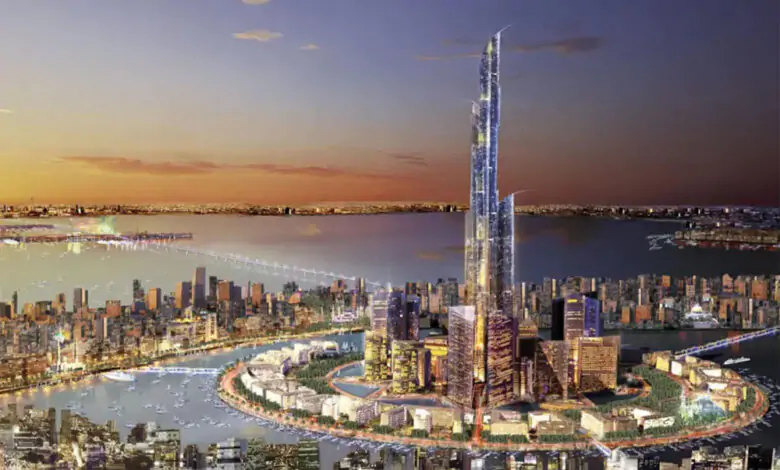
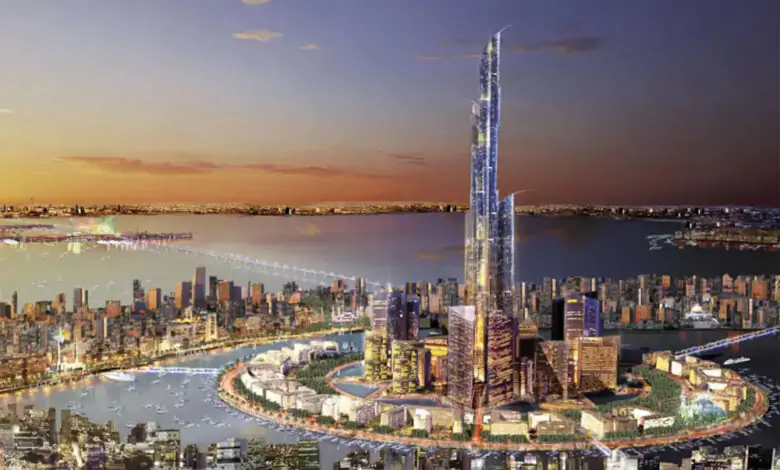
Encouragingly, the government has backed its vision with fiscal commitment. The draft budget for 2025–26 allocates over KD1.8 billion for ongoing infrastructure projects. Among the most transformative initiatives are a series of mega projects collectively valued at more than KD92 billion. These include the development of Kuwait’s islands into tourism, logistics, and investment hubs; the ambitious Madinat Al Hareer (Silk City), envisioned as a 250-square-kilometre mega-city; the expansion of Kuwait International Airport; the construction of Mubarak Al Kabeer Port on Boubyan Island; and the planned Kuwait National Railroad Network linking key economic corridors.
Energy and water infrastructure form another critical pillar of national development. Despite being a major oil producer, Kuwait faces persistent power shortages driven by population growth, urban expansion, rising temperatures, and aging infrastructure. To address this, the government is fast-tracking major energy and desalination projects. Plans to add over 14 gigawatts of power generation capacity by 2031 reflect both urgency and scale. Projects such as Al-Zour North Phases 2 and 3, Shagaya Renewable Energy, Al Khairan IWPP, and the Nuwaiseeb power and desalination plants will significantly enhance energy security while gradually increasing the share of renewables.
Equally pressing is the challenge of housing. Rapid population growth among nationals has led to a mounting backlog in public housing demand, with over 105,000 applications currently pending. Projections suggest this figure could nearly double by 2035. Acknowledging institutional capacity limits, the government has turned to PPP models and policy reforms, including a new mortgage framework, to accelerate housing delivery. Plans to build up to 170,000 housing units through PPPs over the next decade signal a decisive shift toward integrated, private-sector-supported urban development.
Yet, infrastructure alone cannot guarantee sustainable growth. To fully realize Vision 2035, Kuwait must complement physical development with structural reforms, improving the business environment, enhancing labor productivity, streamlining bureaucracy, and increasing public-sector efficiency. With political instability and administrative paralysis increasingly behind it, the government now has a critical window to push through reforms that may be challenging but are essential for long-term prosperity. Kuwait stands at a defining moment. If infrastructure ambition is matched by reform-driven execution, Vision 2035 can move from aspiration to achievement, reshaping the nation’s economic future for generations to come.