






BY MOHAMMAD TARIQUE SALEEM
Samajwadi Party chief Akhilesh Yadav has once again used social media to connect political criticism with everyday understanding, raising concerns over what he describes as “showpiece governance” in Uttar Pradesh. In his recent post on X, Yadav not only questioned the credibility of big investment claims but also highlighted the story of Rukmani Devi to underline his point.
Yadav’s tone was direct yet relatable. He argued that governance should not revolve around publicity-driven announcements but must be rooted in careful decision-making and accountability. Referring to recent high-value investment deals, he suggested that the government appears more focused on projecting a grand image than verifying the authenticity of such agreements.
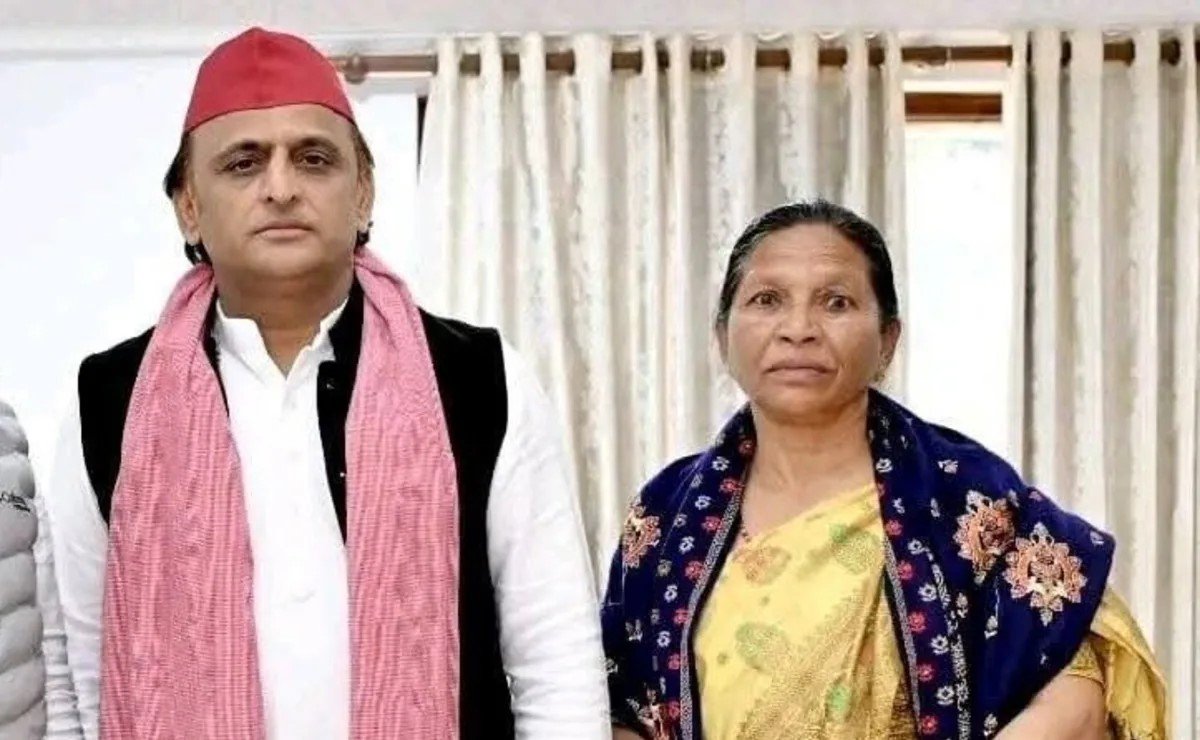
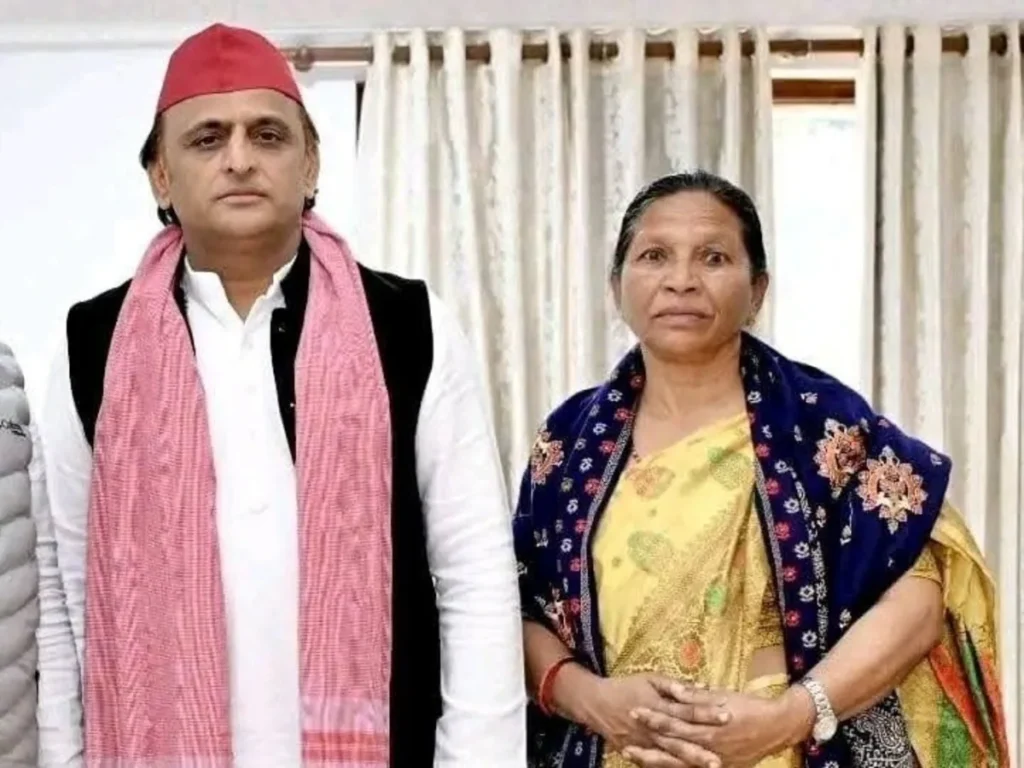
Amid this political messaging, Yadav has also made a significant organizational move ahead of the 2027 Uttar Pradesh elections. He entrusted a major responsibility to Rukmani Nishad, the elder sister of former “Bandit Queen” and Samajwadi Party MP Phoolan Devi, signaling an effort to strengthen grassroots outreach and social alliances within the party.
To make his argument more grounded, Yadav cited the example of Rukmani Devi—portraying her as a symbol of how ordinary individuals can see through inflated claims. By invoking her name, he tried to simplify a complex issue, suggesting that even a common citizen with basic awareness could question the credibility of such deals. The message was clear: if something doesn’t add up at a basic level, it deserves scrutiny, no matter how big the announcement.
This reference added a human touch to his criticism. Instead of relying solely on political rhetoric, Yadav brought the discussion closer to the public, making it easier to understand why unchecked decisions could be problematic. His underlying argument was that governance should reflect the same caution people use in their daily lives—verifying facts before making commitments.
Yadav also raised a broader concern about trust. He warned that repeated announcements without visible outcomes could weaken public confidence and create doubts among genuine investors. According to him, credibility is built not through numbers on paper but through real, measurable progress on the ground.
As political discourse intensifies in the state, such interventions show how opposition leaders are trying to shape public opinion by blending facts with relatable narratives. By mentioning Rukmani Devi, Yadav effectively turned a policy critique into a people-centric argument. In essence, his message serves as a reminder that development cannot rely on optics alone. It must stand on transparency, verification, and results that people can actually see and trust.