



BY AIJAAZ SIDDIQUI
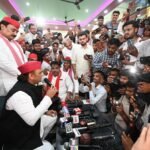
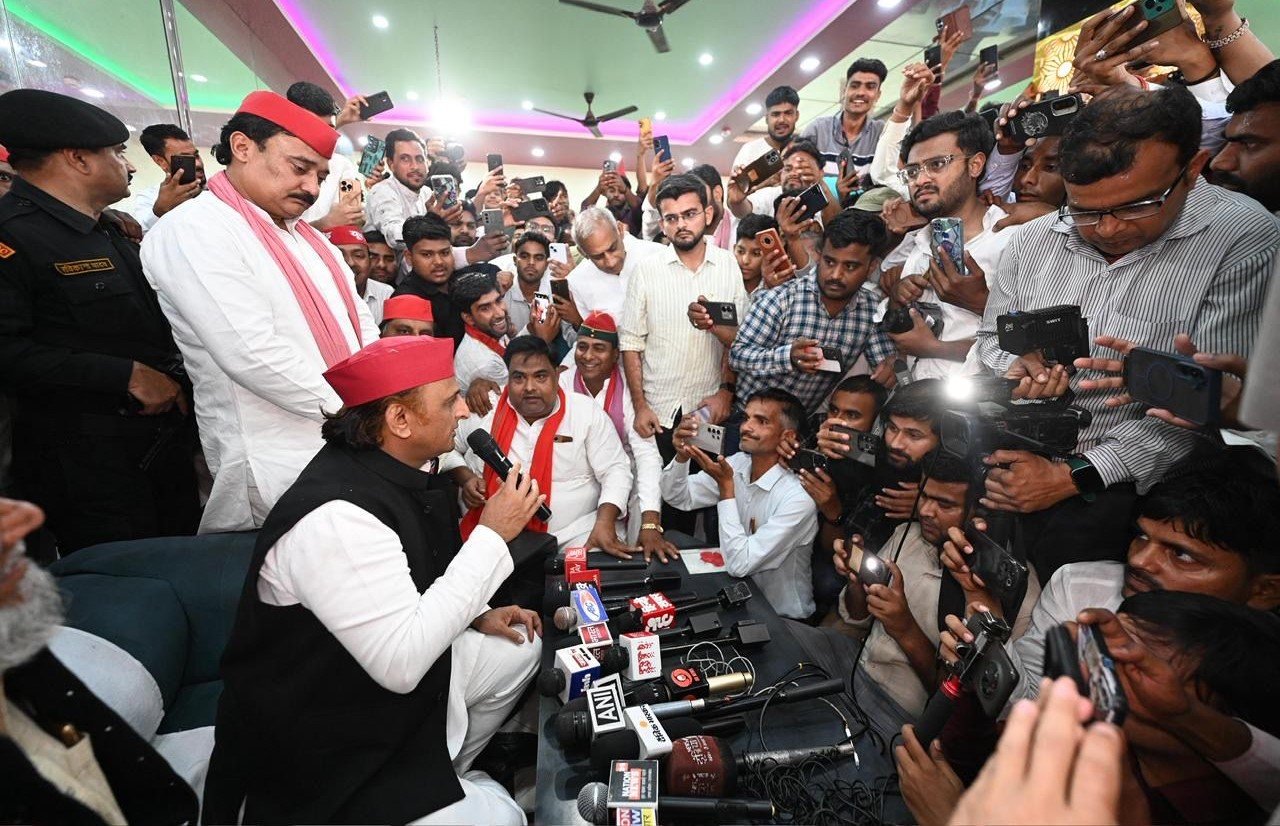
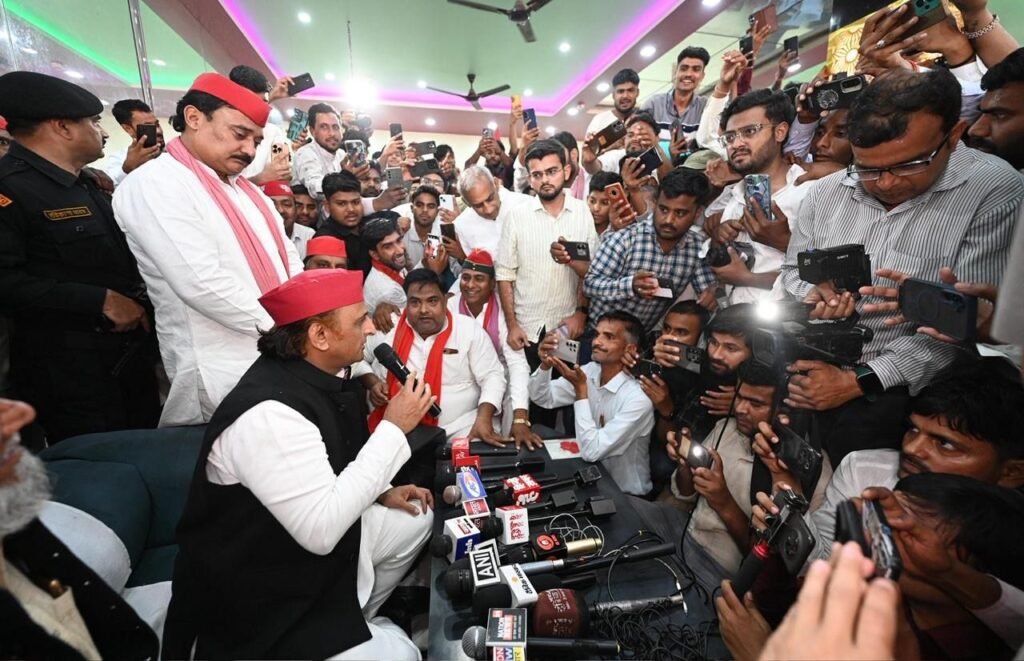
Akhilesh Yadav, National President of the Samajwadi Party and former Chief Minister of Uttar Pradesh, launched a sharp attack on the Bharatiya Janata Party and the Election Commission during his recent visit to Kanpur, accusing them of undermining democratic processes and governance in the state. Addressing the media after a one-day tour, Yadav alleged that the Election Commission is acting in collusion with the BJP to manipulate voter rolls. He claimed that there is a deliberate conspiracy to delete voters’ names in order to instill fear among the electorate.
According to him, workers of the Samajwadi Party’s PDA (Pichhda, Dalit, Alpsankhyak) outreach caught individuals forging signatures to remove legitimate votes, yet no action was taken by authorities. Shifting focus to development, Yadav outlined his party’s vision for Kanpur, promising that a Samajwadi government would transform the Kanpur–Etawah-Kannauj belt into a thriving “trade triangle.” He emphasized reviving the historic Lal Imli textile mill and boosting industrial growth.
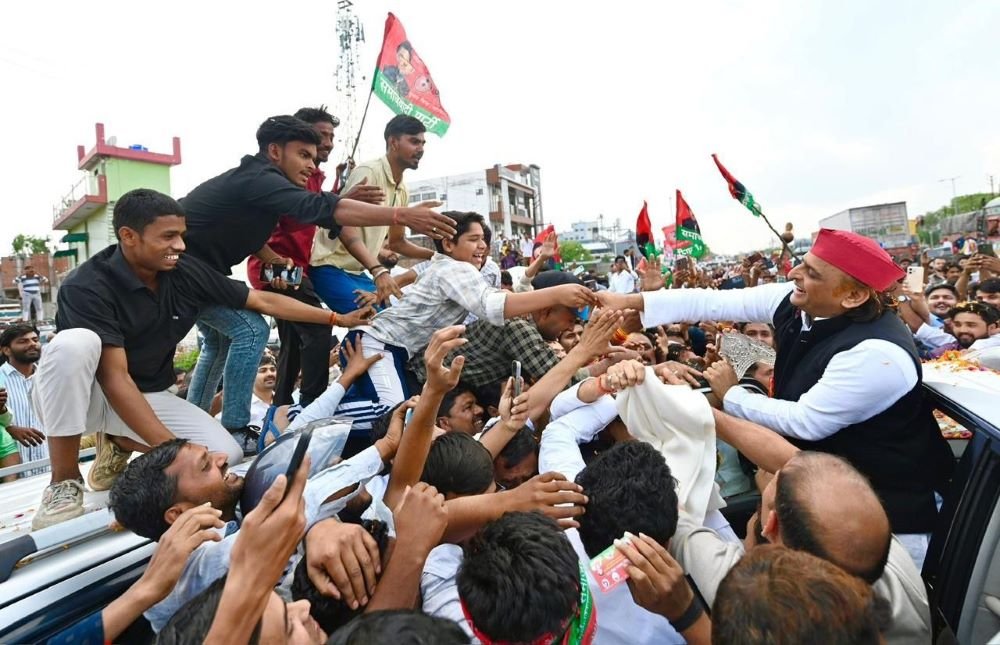
Highlighting past achievements, he pointed to projects initiated under his tenure, including the Kanpur Metro, power plants in Panki and Ghatampur, and the establishment of major industrial units such as the Amul plant. These, he said, were part of a broader industrial policy aimed at creating jobs and strengthening infrastructure. Yadav also criticized the BJP government for failing to address environmental concerns, particularly the deteriorating condition of rivers in the region. He alleged that funds allocated for river cleaning were misused, resulting in worsening pollution rather than improvement.
On governance, Yadav accused the BJP of presiding over widespread corruption and administrative failure. He cited instances of illegal trade, including codeine syrup smuggling, and referred to recent kidney-related scandals in Kanpur to argue that criminal activities have flourished. He further alleged that corruption in public works, particularly through commission-based practices, has led to poor-quality infrastructure, citing roads like the Bundelkhand Expressway that reportedly deteriorated soon after inauguration.
Law and order, he claimed, has collapsed under the current administration. Referring to crime data, Yadav said Uttar Pradesh has become unsafe, especially for women, with frequent reports of violence. He also pointed to rising drug-related incidents, suggesting a growing social crisis. Addressing social and economic issues, Yadav accused the BJP government of neglecting “Shiksha Mitras,” claiming they have been underpaid and misled for years. He promised that a Samajwadi government would restore dignity and fair wages to them, along with support for other unemployed youth.
On healthcare, he painted a grim picture of public services, alleging that गरीब (poor) patients are unable to access affordable treatment, medicines, or diagnostic facilities. Many, he said, are forced into debt or to sell their assets for private healthcare. He assured that free and accessible healthcare would be a priority under his leadership. In a broader political critique, Yadav accused the BJP and its allies of pursuing divisive “divide and rule” strategies that foster fear and social fragmentation. He alleged that such forces operate covertly, exploit public emotions, and prioritize self-interest over national unity.



