



BY MOHAMMAD TARIQUE SALEEM
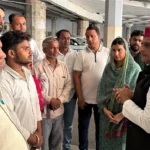
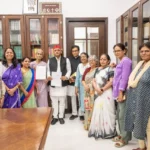
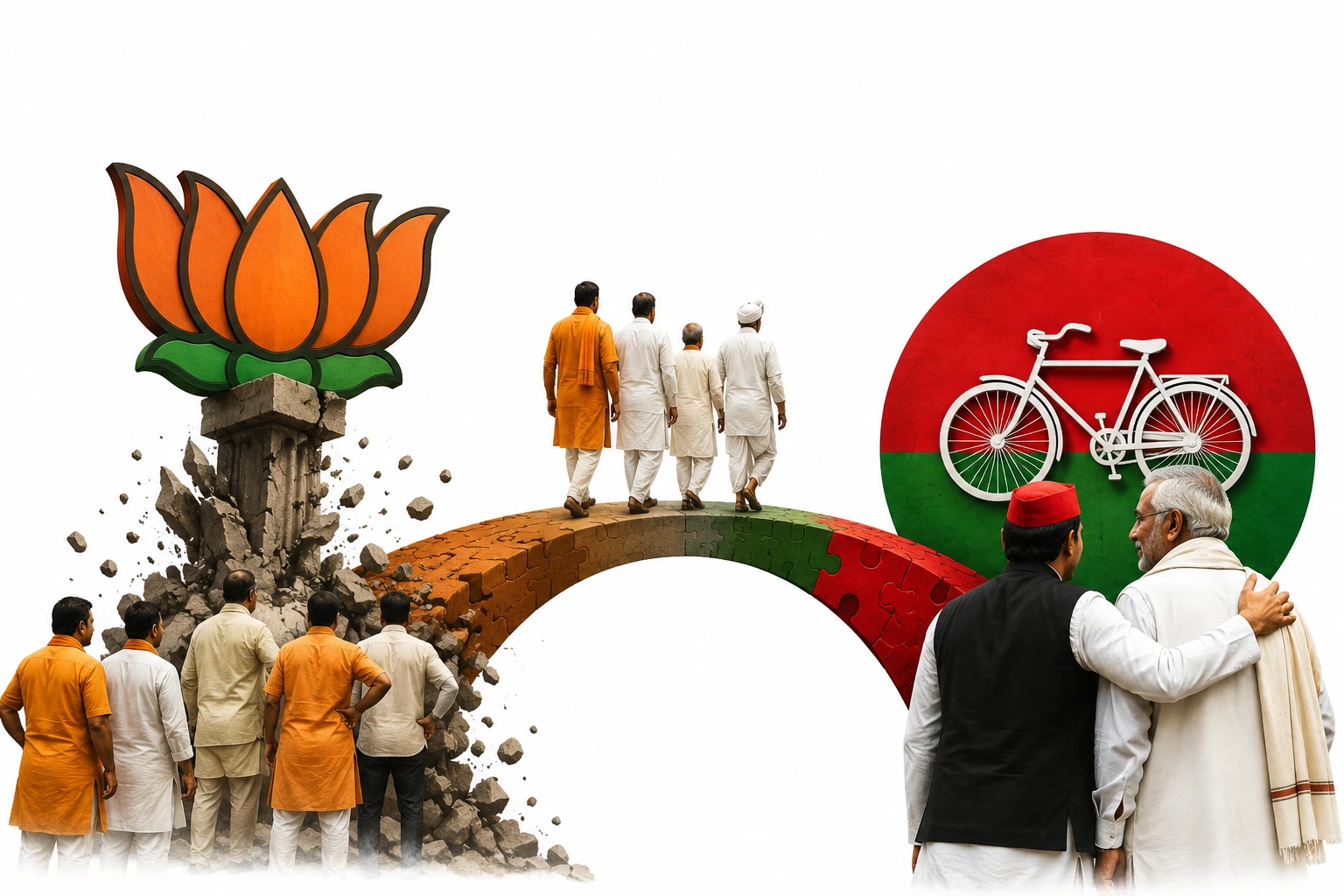
In a striking display of political realignment, Samajwadi Party’s Leader of Opposition in the Uttar Pradesh Assembly, Mata Prasad Pandey, has openly declared that Brahmins, the traditional backbone of BJP’s electoral machine, are now shifting towards the opposition. Addressing a Brahmin community gathering at the SP office on June 17, Pandey proclaimed: “You have seen that so many people from the Brahmin community, who usually help BJP win, have come here today to make Samajwadi Party victorious.” He envisioned a sweeping social coalition: “The entire society, small and big, PDA and Pandits, will defeat BJP.”
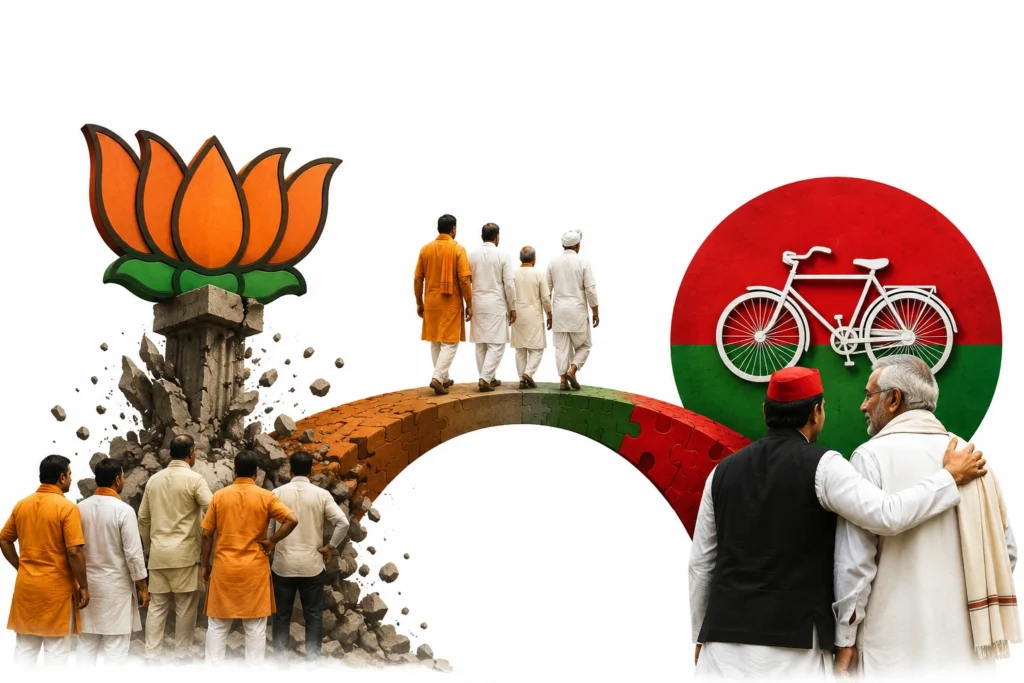
This “PDA + Pandits” formula marks a bold evolution in Samajwadi Party strategy. PDA (Pichhda, Dalit, Alpsankhyak) has been Akhilesh Yadav’s core outreach to backward classes, Dalits, and minorities. By extending an olive branch to Brahmins, often seen as the intellectual and administrative elite of Uttar Pradesh, the SP is attempting to engineer a rainbow alliance capable of challenging the BJP’s dominance in India’s most politically crucial state.
Uttar Pradesh’s politics has long been defined by intricate caste arithmetic. The BJP under Yogi Adityanath masterfully consolidated upper castes (especially Brahmins and Thakurs), non-Yadav OBCs, and sections of Dalits through Hindutva, welfare schemes, and strong governance messaging. Brahmins, in particular, provided crucial organizational strength and urban-rural influence. Signs of their disillusionment could prove devastating for the ruling party ahead of the 2027 Assembly elections.
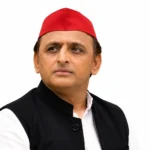
Pandey’s remarks tap into growing resentment within the Brahmin community. Allegations of neglect, intra-party favoritism toward Thakurs, and economic hardships have created fertile ground for opposition outreach. The SP leader framed the BJP’s rule as “dictatorship,” contrasting it with the “language of democracy” that the opposition claims to represent. For Akhilesh Yadav, this outreach is strategic genius. After successful PDA consolidation in the 2024 Lok Sabha polls, adding upper-caste support neutralizes BJP’s social engineering.
Naming senior Brahmin leader Mata Prasad Pandey as Leader of Opposition was itself a clear signal of this inclusive shift. However, translating rhetoric into reality remains daunting. Deep-rooted caste rivalries persist. Many Brahmins remain wary of aligning with a party historically viewed as Yadav-centric. Conversely, core PDA constituents may question the dilution of their exclusive focus. Success will depend on credible ticket distribution, local issue-based mobilization, and delivering a unified anti-incumbency narrative around unemployment, inflation, and governance failures. The BJP cannot afford complacency.
While the party has delivered on law and order, infrastructure, and religious identity, it must urgently address elite discontent and reinforce its development narrative. Internal unity and counter-mobilization through effective welfare delivery and Hindutva consolidation will be key. This moment reflects the dynamic and ever-evolving nature of Indian democracy, where no coalition is permanent and no vote bank is eternal. Uttar Pradesh, with its 80 Lok Sabha seats and massive influence on national politics, remains the ultimate battleground.
If the SP successfully forges “PDA + Pandits,” it could reshape power equations not just in Lucknow but across India. Mata Prasad Pandey’s assertion that “PDA and Pandits together” will defeat the BJP is more than a slogan, it is a battle cry for political realignment. Whether this grand social coalition materializes or crumbles under the weight of historical contradictions will define Uttar Pradesh’s political future. The coming months will reveal if this is a genuine tectonic shift or merely opposition bravado. One thing is certain: the politics of caste and consolidation in India’s heartland is far from settled.



