






BY MOHAMMAD TARIQUE SALEEM
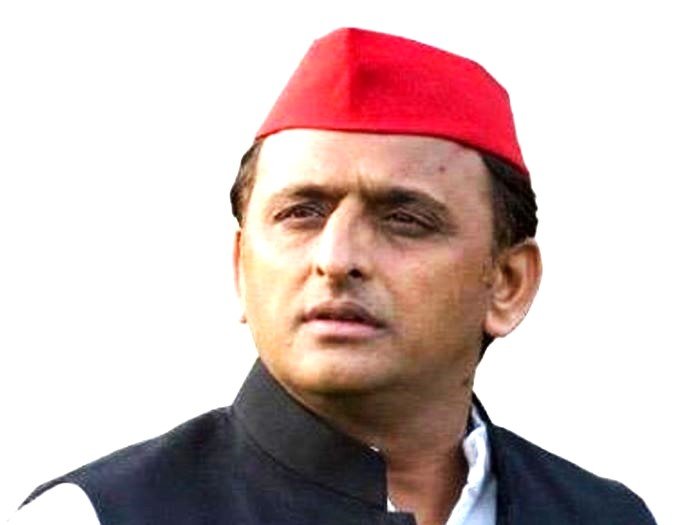
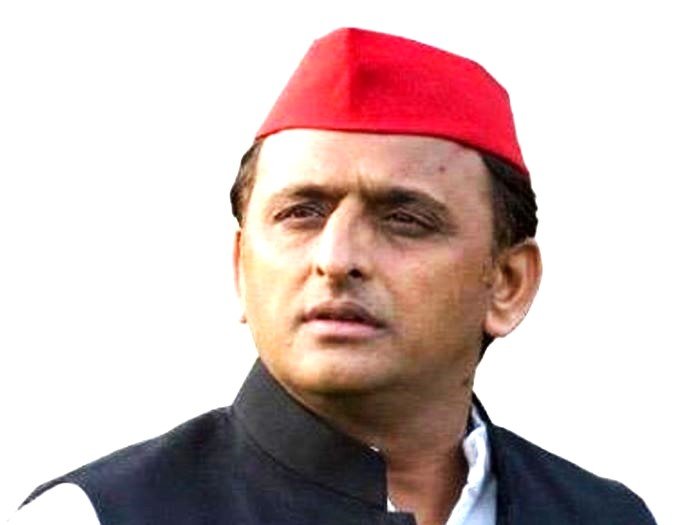
Samajwadi Party chief Akhilesh Yadav has intensified his attack on the central government, using the falling value of the rupee to question its economic management and governance. Linking currency depreciation with rising inflation and alleged corruption, he has sought to highlight the impact on common citizens. His remarks reflect a broader opposition strategy to challenge the ruling establishment on both economic performance and accountability.
The recent remarks by Akhilesh Yadav on the falling value of the rupee reflect not just a routine opposition critique, but a broader political strategy aimed at framing the economic narrative ahead of future electoral battles. His comments combine economic concerns, governance criticism, and symbolic messaging, an approach that resonates strongly in India’s highly competitive political landscape.
At the core of his argument is the depreciation of the Indian rupee, which has long been a sensitive indicator of economic health. A weakening currency often signals underlying issues such as inflationary pressure, trade imbalances, or global financial volatility. By linking the rupee’s decline to governance failures, Yadav attempts to shift the discourse from global economic factors to domestic accountability. This is a classic opposition tactic, simplifying complex macroeconomic trends into a question of leadership effectiveness.
However, the reality is more nuanced. Currency movements are influenced by a mix of domestic and international factors, including oil prices, interest rate differentials, geopolitical tensions, and capital flows. Given the global energy crisis and ongoing geopolitical conflicts, many emerging market currencies, not just India’s, have faced downward pressure. Therefore, attributing the rupee’s fall solely to government policies may resonate politically but does not fully capture the economic complexity.
That said, Yadav’s criticism taps into a genuine public concern: inflation. Rising prices, especially of essentials like cooking gas, have a direct and visible impact on households. His reference to long queues for LPG cylinders is a powerful visual metaphor that connects macroeconomic trends with everyday struggles. This is where political messaging becomes effective, when abstract economic indicators are translated into lived experiences.
Another notable element of his statement is the moral critique of the ruling party. By alleging “moral bankruptcy” and pointing to a lack of accountability despite corruption allegations, Yadav is attempting to build a narrative that goes beyond economics into governance ethics. This dual-layered attack, economic mismanagement combined with ethical decline, is designed to erode public trust in the ruling establishment.
Equally significant is his mention of foreign policy being influenced by external forces. This is a serious charge, as it questions the strategic autonomy that India has historically prided itself on. While such claims require substantial evidence, their inclusion in political rhetoric reflects an attempt to broaden the critique from domestic governance to international positioning.
Interestingly, Yadav balances his criticism with cultural symbolism, as seen in his post about the Lord Ram idol. This indicates a calibrated political approach, engaging with religious and cultural sentiments while simultaneously challenging the ruling party on economic and governance issues. It reflects an understanding that modern Indian politics often operates at the intersection of identity, economy, and ideology.
In conclusion, Akhilesh Yadav’s remarks are less about isolated statements and more about shaping a comprehensive political narrative. While some of his claims may oversimplify complex economic realities, they effectively capture public anxieties around inflation, governance, and accountability. As India navigates both domestic challenges and global uncertainties, such narratives are likely to play a crucial role in influencing public opinion and electoral outcomes.