






BY MOHAMMAD TARIQUE SALEEM
Kuwait’s participation in the National Conference on Strategic Trade Controls (NCSTC) recently in New Delhi was more than a formal diplomatic engagement; it was a reflection of how nations today are trying to navigate an increasingly complex and interconnected world. Held on 15 January 2026, the conference brought together policymakers, diplomats, regulators, industry leaders, academics and experts from across the globe, all grappling with the same fundamental question: how can countries encourage open, fair and innovative trade while protecting their national and collective security interests in a rapidly changing global environment?
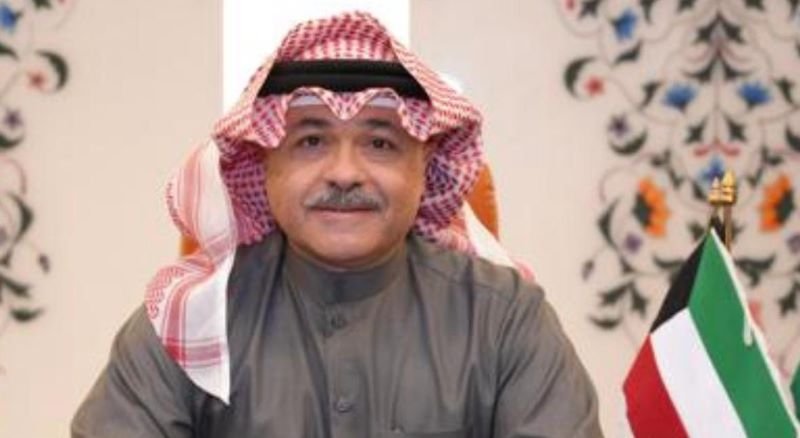
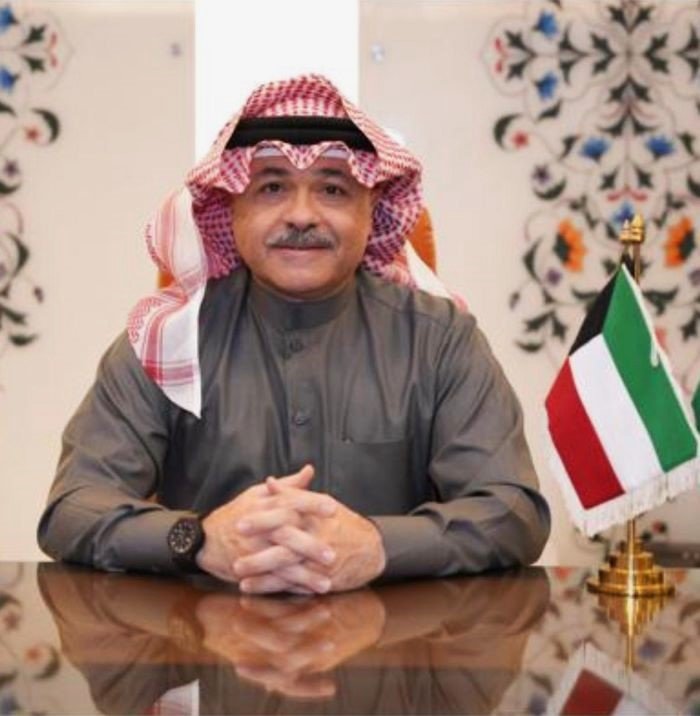
Representing Kuwait at the conference, Ambassador to India Meshal Al-Shemali carried this message with clarity and balance. His participation symbolised Kuwait’s awareness that trade is no longer just about goods moving across borders, but about ideas, technologies and knowledge flows that can shape economies and societies for decades. Speaking on the sidelines of the event, he underlined that global economic transformations demand greater transparency, stronger regulatory systems and closer international cooperation. For Kuwait, engaging in such forums is part of a broader effort to learn from global best practices while contributing its own perspectives to shared challenges.
The atmosphere at NCSTC 2026 reflected the seriousness of these issues. With more than 500 participants gathered at the Bharat Mandapam Convention Centre, the discussions moved well beyond theory. Delegates explored real-world concerns such as price manipulation, commercial fraud, money laundering and vulnerabilities in global supply chains. These are not abstract risks; they directly affect businesses, governments and ordinary people whose livelihoods depend on stable and trustworthy trade systems. The conference created space for frank exchanges, where countries compared regulatory experiences and discussed how gaps in one system can have ripple effects far beyond national borders.
A major focus of the conference was India’s Strategic Trade Control framework, including the SCOMET list that governs exports of sensitive and dual-use items. While these controls are technical in nature, the conversations around them were deeply human. Participants spoke about the challenge of ensuring that cutting-edge technologies in areas such as biotechnology, chemicals, electronics, aerospace and information technology are used to improve lives, not to undermine security or fuel instability. The underlying message was clear: innovation and responsibility must go hand in hand.
What made NCSTC 2026 particularly meaningful was its inclusive approach. Alongside government officials, representatives from industry and academia shared their perspectives, acknowledging that compliance with trade controls is a shared responsibility. Researchers discussed how academic collaboration can sometimes intersect with export regulations, while business leaders highlighted the need for clear, predictable rules that allow legitimate trade to flourish. These conversations helped bridge the gap between policy intent and practical implementation, reminding everyone that effective regulation works best when those affected by it are part of the dialogue.
For Kuwait, participation in such discussions aligns with its broader economic and diplomatic priorities. As the country continues to pursue economic diversification and strengthen partnerships beyond the energy sector, understanding global trade control mechanisms becomes increasingly important. Engagement with India, one of the world’s fastest-growing major economies, is a key part of this strategy. Events like NCSTC 2026 provide opportunities not only to exchange policy ideas but also to deepen mutual understanding and trust between partners who share an interest in stability, growth and innovation.
Beyond policy frameworks and regulatory language, the conference highlighted a shared human concern: the desire to build a global trading system that is fair, secure and resilient. Participants acknowledged that no country can address these challenges alone. Technologies evolve quickly, markets shift unexpectedly and geopolitical realities can change overnight. In this context, forums like NCSTC serve as vital meeting points where countries can listen, learn and coordinate, reducing the risk of misunderstandings and unintended consequences.
Kuwait’s presence at NCSTC 2026 was a reminder that diplomacy today is as much about participation and dialogue as it is about formal agreements. By sitting at the table, engaging openly and contributing to collective thinking, Kuwait reinforced its role as a responsible and forward-looking partner in the global community. The conference may have focused on strategic trade controls, but its deeper impact lay in strengthening the human connections and shared commitments that make international cooperation possible in an uncertain world.



