




BY MOHAMMAD TARIQUE SALEEM
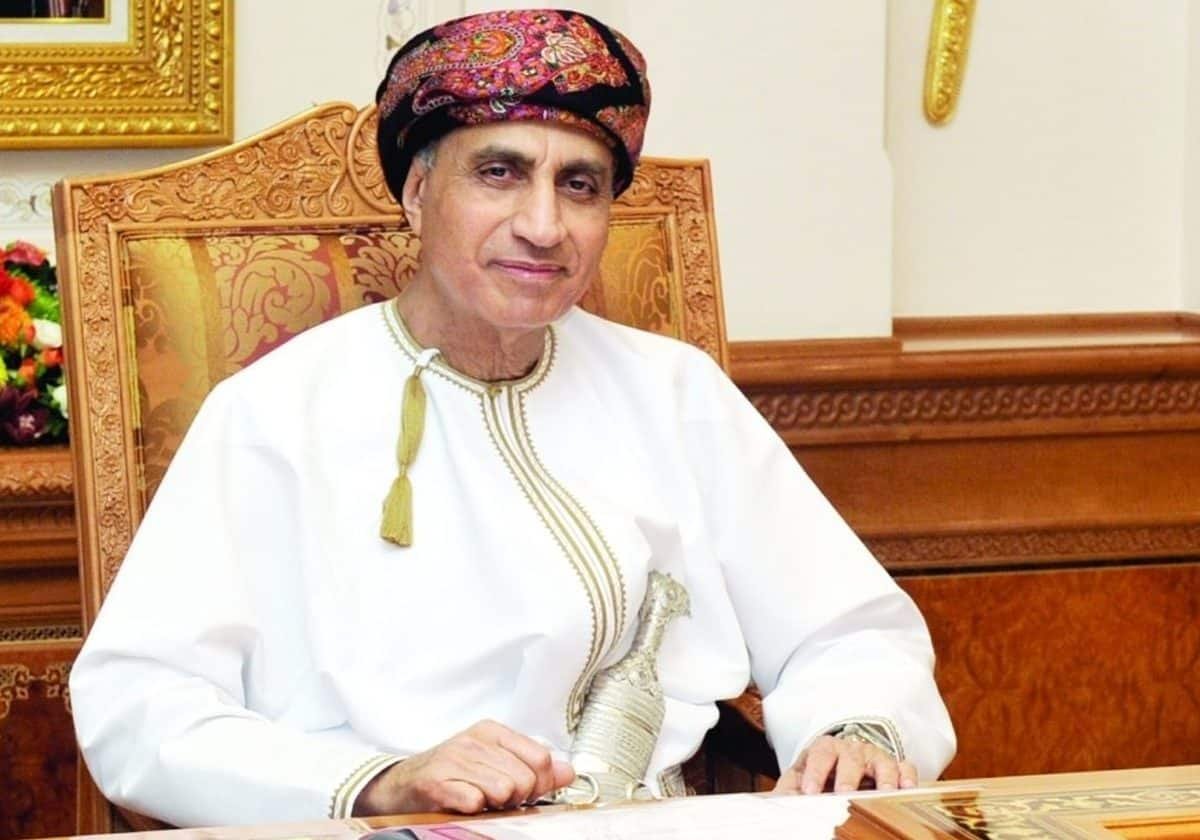
His Highness Sayyid Fahd bin Mahmoud Al Said was widely regarded as one of the most influential Omani leaders who played a vital role in shaping the country’s modern renaissance. His contributions spanned more than five decades, during which he helped guide Oman through important stages of political, economic, and diplomatic development. From the early years of the nation’s transformation in 1970, he stood among the key figures who supported the vision of progress and stability for the Sultanate.
Born on October 5, 1940, in Muscat, Sayyid Fahd pursued higher education at Cairo University, where he graduated in 1965 with a degree in Economics. His academic journey later took him to Sorbonne University in France, where he earned a Master’s degree in Political Science and Economics in 1970. These years of study helped shape his intellectual outlook and prepared him for the significant responsibilities he would later shoulder in public service. He was also known for his linguistic abilities, speaking Arabic, French, and English fluently, which proved invaluable in diplomacy and international engagement.
Sayyid Fahd’s career began during the era of the late Sultan Qaboos bin Said, a period that marked the beginning of Oman’s modern renaissance. Over the years, he held several important government positions that allowed him to contribute directly to the country’s governance and development. He first served as Minister of Foreign Affairs from 1971 to 1973, helping establish Oman’s diplomatic presence on the global stage. He then became Minister of Information and Culture from 1973 to 1979, a role through which he helped promote national identity and cultural development during a transformative period in the country’s history.
In 1979, he was appointed Deputy Prime Minister for Legal Affairs, a position he held until 1994. Later, he continued his service as Deputy Prime Minister for the Council of Ministers from 1994 until 2026, remaining one of the most senior and respected figures within Oman’s leadership. Beyond these key ministerial roles, Sayyid Fahd also chaired several important national committees. Among them were the Supreme Committee for GCC Conferences, the Council of Sultan Qaboos University, the Higher Committee for the Royal Opera House Muscat, and the Supreme Committee for the Five-Year Development Plans.
Through these responsibilities, he played an important part in shaping Oman’s development strategies, educational institutions, and cultural initiatives. Throughout his career, Sayyid Fahd frequently represented Oman at international gatherings, Gulf meetings, and Arab summits. He often acted as a representative of Sultan Qaboos bin Said, and later continued this responsibility during the reign of Sultan Haitham bin Tarik. His presence at these forums reflected the trust placed in his diplomatic skills and political wisdom.
Over nearly 56 years of dedicated service, Sayyid Fahd contributed significantly to shaping Oman’s public policies and strengthening its international relationships. His visits to countries such as Japan, Iran, Thailand, South Korea, Singapore, and many Arab nations helped deepen bilateral cooperation, particularly in economic and development fields. Remembered for his calm demeanor, thoughtful diplomacy, and eloquent communication, Sayyid Fahd bin Mahmoud Al Said left behind a legacy of commitment and statesmanship. His work not only supported the growth of modern Oman but also helped strengthen its position and respect on the global stage.