




BY MOHAMMAD TARIQUE SALEEM
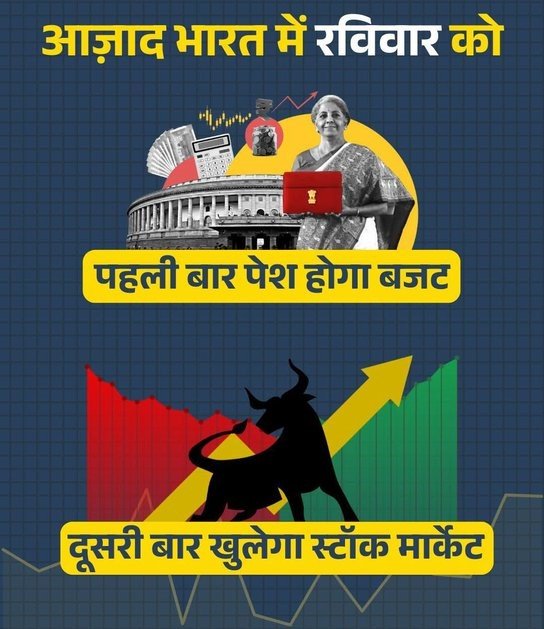
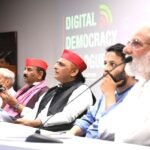
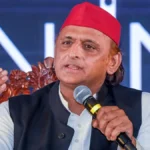
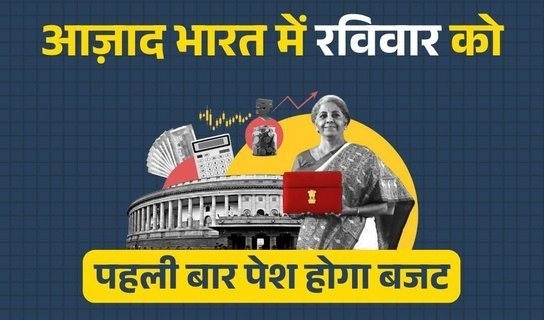
Samajwadi Party chief Akhilesh Yadav took a sharp dig at the government ahead of the Union Budget 2026–27, questioning both the timing of its presentation and the state of the country’s economy. Referring to the unusual decision to present the Budget on a Sunday, Yadav said, “The question is not whether the stock market will open on Sunday; the real question is how much further it will fall.” His remarks come amid market volatility and growing concerns over inflation, unemployment, and slowing growth.
Yadav pointed out that this would be the first time in India’s parliamentary history that a Union Budget is being presented on a Sunday, calling it a symbolic reflection of economic anxiety rather than confidence. According to him, the focus should not be on procedural novelty but on the substance of the Budget and its impact on ordinary citizens. He alleged that repeated policy decisions by the government have eroded investor confidence and placed additional pressure on small investors, farmers, and the middle class.
The Samajwadi Party leader further argued that the government has failed to address core economic challenges, including rising prices of essential commodities, stagnant wages, and shrinking opportunities for youth. He said that instead of reassuring markets and households, the government’s policies have created uncertainty, which is now visible in market behavior. Yadav also raised concerns over public sector disinvestment and what he described as excessive reliance on big corporate players, claiming this has widened economic inequality.
As political reactions intensify ahead of the Budget presentation, opposition parties are expected to closely scrutinize fiscal proposals related to taxation, welfare spending, and job creation. For the government, the Sunday Budget presentation carries added significance, as it must convince both Parliament and the public that it has a clear roadmap to stabilize markets and revive growth. Yadav’s comments underline a broader opposition narrative that the real test of Budget 2026-27 will not be its timing, but whether it can restore economic confidence and protect the interests of common citizens.