





By Mohammad Tarique Saleem
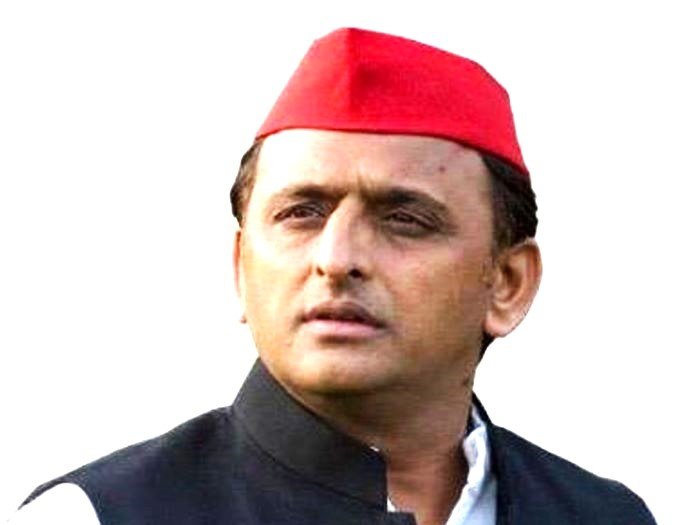
The rising cost of cooking gas and growing concerns about its availability have once again become a major issue for millions of Indian families. As households struggle with increasing living expenses, the matter has also sparked a sharp political debate. Akhilesh Yadav, chief of the Samajwadi Party, has strongly criticised the government led by Narendra Modi, claiming that ordinary people are being pushed into hardship due to rising prices and shortages of essential commodities.
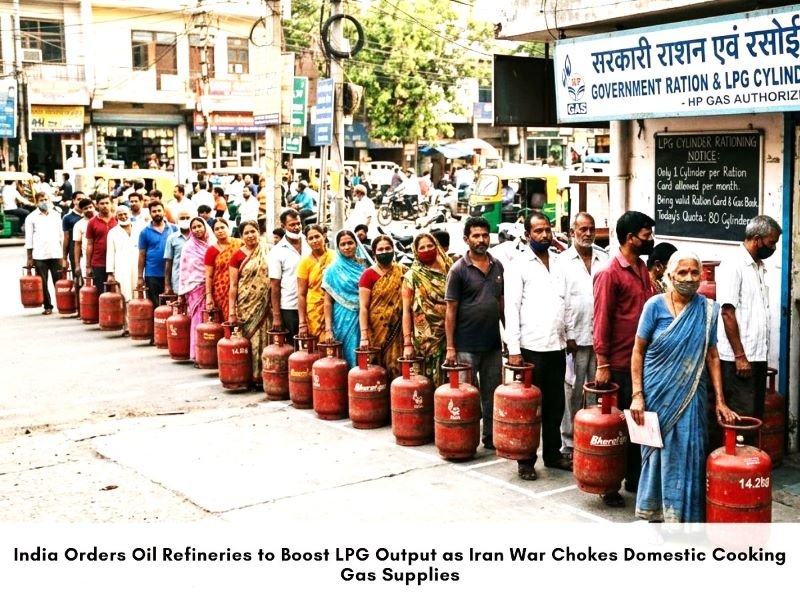
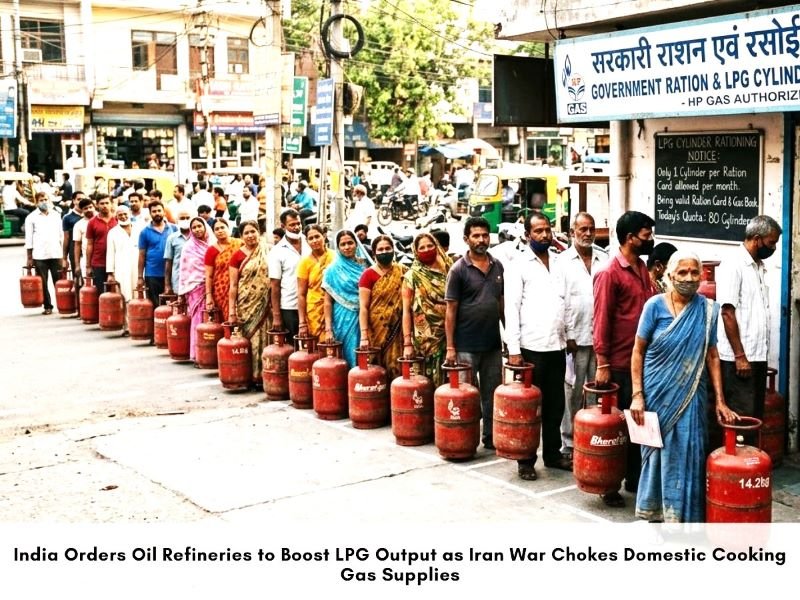
In a recent message posted on social media, Yadav highlighted what he described as a pattern under the rule of the Bharatiya Janata Party. He said that people have repeatedly been forced to stand in long lines over the years, first for Aadhaar registration, then during demonetisation, followed by queues for ration supplies, fertilisers and KYC verification. Now, according to him, families are once again waiting in long queues, this time for cooking gas cylinders.
His statement reflects the frustration felt by many citizens who say that managing household expenses is becoming increasingly difficult. The price of a domestic LPG cylinder in several cities is now close to ₹900, putting pressure on middle-class and lower-income families. For many households, cooking gas is not just another expense but a basic necessity used every day. India imports a large portion of its LPG, which means global developments in the oil market directly affect domestic prices.
Rising crude oil prices and tensions in international energy markets have pushed fuel costs upward, making it harder for the government to control retail prices. However, for ordinary people, the reasons matter less than the impact on their daily lives. The burden is especially heavy on poor families and daily wage earners. Small food stalls, tea shops and roadside eateries that rely on commercial LPG cylinders are also feeling the pressure.
When gas prices rise, the cost of preparing food goes up, forcing many vendors to increase prices or reduce portions. In turn, this affects customers who depend on these affordable meals. Reports from several areas have also pointed to delays in cylinder deliveries and long queues at gas agencies, adding to public anxiety. For many families, running out of cooking gas can disrupt their entire routine, making daily life more stressful.
As the issue gains political attention, opposition leaders continue to demand that the government take urgent steps to stabilise prices and ensure a smooth supply of LPG. At the same time, the government faces the challenge of balancing global market pressures with domestic needs. For millions of Indians, however, the debate goes beyond politics. It is about something far more basic, the ability to cook food at home without worrying about rising costs or uncertain supply.