





BY MOHAMMAD TARIQUE SALEEM
The Gulf region is witnessing a dangerous escalation in hostilities, as Kuwait and other members of the Gulf Cooperation Council (GCC) face sustained missile and drone attacks amid a widening conflict involving Iran, the United States, and Israel. The near-daily strikes, reportedly involving ballistic and cruise missiles as well as armed drones, have caused significant destruction to civilian infrastructure and resulted in multiple casualties across the region.
From the outset of the conflict, GCC nations made clear that their territories and airspace would not be used for launching attacks against Iran. Despite this, Iranian strikes have increasingly targeted civilian installations, including airports, seaports, residential buildings, and vital energy and water facilities. These attacks have not only disrupted daily life in the Gulf but have also sent shockwaves through global energy markets and supply chains, given the region’s strategic importance.
Kuwait has been among the hardest hit. The country’s leadership, including His Highness the Amir Sheikh Meshal Al-Ahmad Al-Jaber Al-Sabah, strongly condemned the attacks, describing them as unprovoked aggression from a neighboring country. Despite diplomatic appeals, strikes have continued. Recent incidents include damage to a power and water desalination plant and a drone attack on the Mina Al-Ahmadi refinery, which triggered fires in key operational units. Fuel storage facilities at Kuwait International Airport have also been targeted, causing large-scale damage.
According to Kuwaiti authorities, air defense systems have intercepted multiple incoming threats, including cruise missiles and drones, within short timeframes. However, falling debris from interceptions has led to hundreds of damage incidents across the country. Attacks have also extended to critical infrastructure such as Mubarak Al-Kabeer Port and Shuwaikh Port, underscoring the breadth of the threat.
The Kuwaiti Cabinet, led by Prime Minister Sheikh Ahmad Al-Abdullah Al-Ahmad Al-Sabah, has strongly denounced the strikes, particularly those that resulted in civilian casualties, including the death of an Indian worker. Authorities are simultaneously working to ensure the safety of residents and maintain the supply of essential goods.
On the diplomatic front, Kuwait has received widespread international support. Foreign Minister Sheikh Jarrah Jaber Al-Ahmad Al-Sabah reiterated the country’s firm stance on protecting international navigation routes, particularly the strategically vital Strait of Hormuz. He emphasized that any attempts to alter its status would violate international law, including the United Nations Convention on the Law of the Sea.
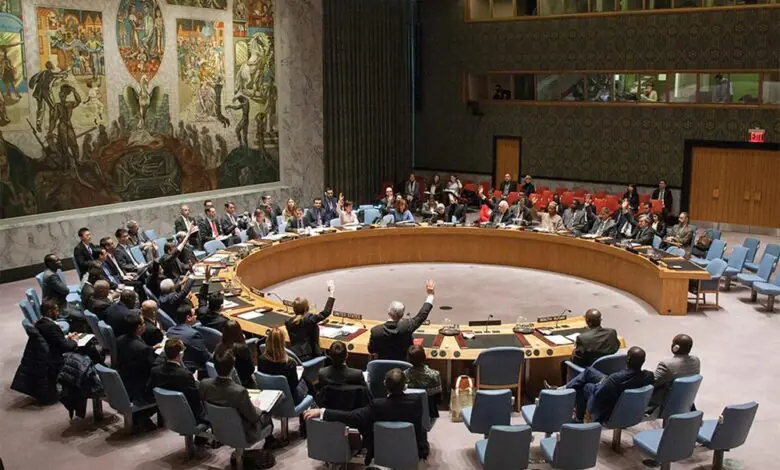
The crisis has also drawn strong reactions from global bodies. United Nations Security Council Resolution 2817 condemned the attacks and reaffirmed the sovereignty of GCC states, calling on Iran to immediately cease hostilities. Similarly, the United Nations Human Rights Council denounced the targeting of civilians and critical infrastructure.
GCC Secretary-General Jasem Mohamed Albudaiwi described the attacks as a blatant violation of international law, warning of their impact on global energy security and regional stability. As tensions continue to rise, the international community faces mounting pressure to intervene diplomatically and prevent further escalation in an already volatile region.