





BY MOHAMMAD TARIQUE SALEEM
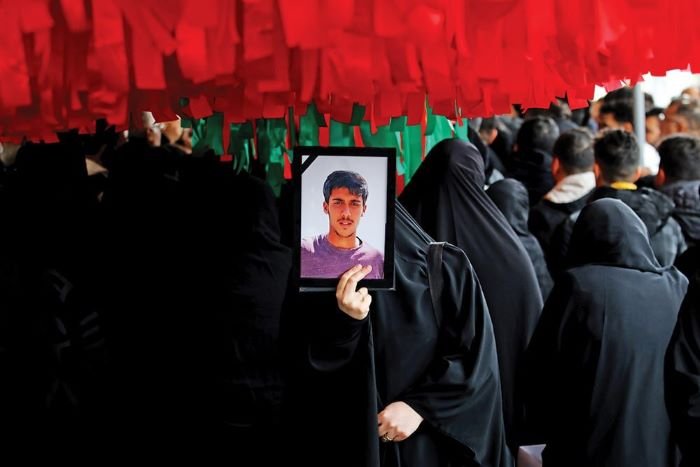
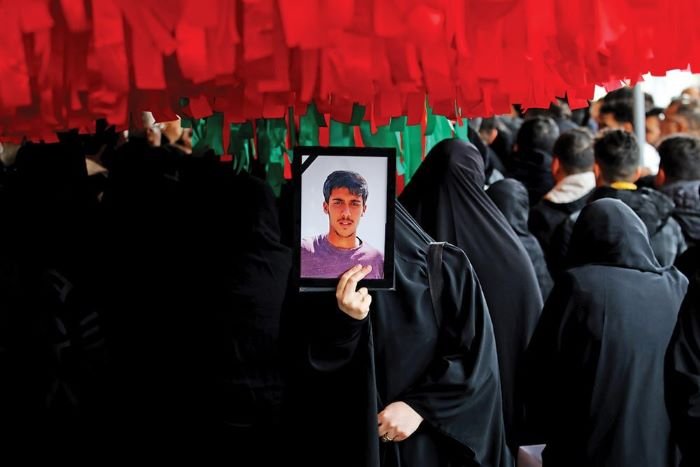
Iran recently took the step of publishing the names and national ID numbers of nearly 3,000 individuals killed during the unrest that swept the country between January 8 and January 14. Officials described the move as a direct response to what they call weeks of politically motivated reporting and outright fabrication by Western media outlets, which circulated wildly inflated casualty figures without evidence.
The disclosure follows a relentless media campaign in which unverifiable death tolls—some soaring as high as 80,000, were promoted by Western-based organizations and news platforms. These numbers were published without names, documentation, or forensic backing. Iranian officials argue that such figures were not the product of investigative journalism, but a deliberate attempt to manipulate global opinion at a moment when U.S. military pressure on Tehran has sharply intensified.
A senior official from President Masoud Pezeshkian’s office said the decision to release detailed data had been planned days earlier with the explicit aim of “closing the door to fabrication.” Just before the list was published, Iran’s foreign minister told CNN Türk that the death toll aligned with the roughly 3,100 fatalities previously announced by the country’s forensic medicine organization. He challenged critics to present even a single verified identity missing from the list, pledging that Iran would revise the numbers if credible evidence emerged.
Authorities say it took several days after the violence subsided in mid-January to finalize the count, citing the chaos of the clashes and the difficulty of distinguishing civilians from security personnel and armed attackers. Western media, however, showed little patience. Sweeping casualty estimates appeared almost immediately, often attributed to anonymous “activists” or a Washington-based website run by a former detainee previously convicted in Iran for collaborating with foreign intelligence agencies.
The disparity is stark: alleged death tolls ranging from 6,000 to 80,000, with no corroborating proof. Analysts in Tehran suggest the inflation was intentional, a tactic to manufacture moral urgency and legitimize external pressure or even military action, while diverting attention from the far better-documented civilian death toll in Gaza. For many Iranians, the episode feels eerily familiar.
In 1990, the fabricated story of Kuwaiti babies thrown from incubators helped sell the Gulf War. In 2011, claims of imminent mass atrocities were used to justify NATO’s intervention in Libya, which ended in state collapse. In Syria, disputed chemical weapons allegations became the moral engine for years of sanctions and military strikes. In each case, Western media played a central role in amplifying claims later exposed as false or deeply flawed, with catastrophic consequences.
The January unrest in Iran began as protests over economic hardship, pain exacerbated by years of U.S. sanctions that have strangled trade, banking, and oil exports. Initially, the demonstrations were largely peaceful and even prompted economic reforms. The situation escalated, Iranian authorities say, when armed elements entered the crowds. Intelligence officials claim to have uncovered evidence, including weapons seizures and arrests, pointing to CIA and Mossad involvement.
The victim list released this week includes civilians, police officers, conscripts, and individuals identified as members of armed cells. Iranian officials frame the disclosure as both a moral duty to grieving families and a political message to the outside world: narratives built on anonymous numbers can no longer go unchallenged. With the memories of Iraq, Libya, and Syria looming large, Tehran’s message is clear. Humanitarian rhetoric, when weaponized, has too often preceded destruction rather than relief, and Iran says it will not allow history to repeat itself in silence.


