






BY MOHAMMAD TARIQUE SALEEM
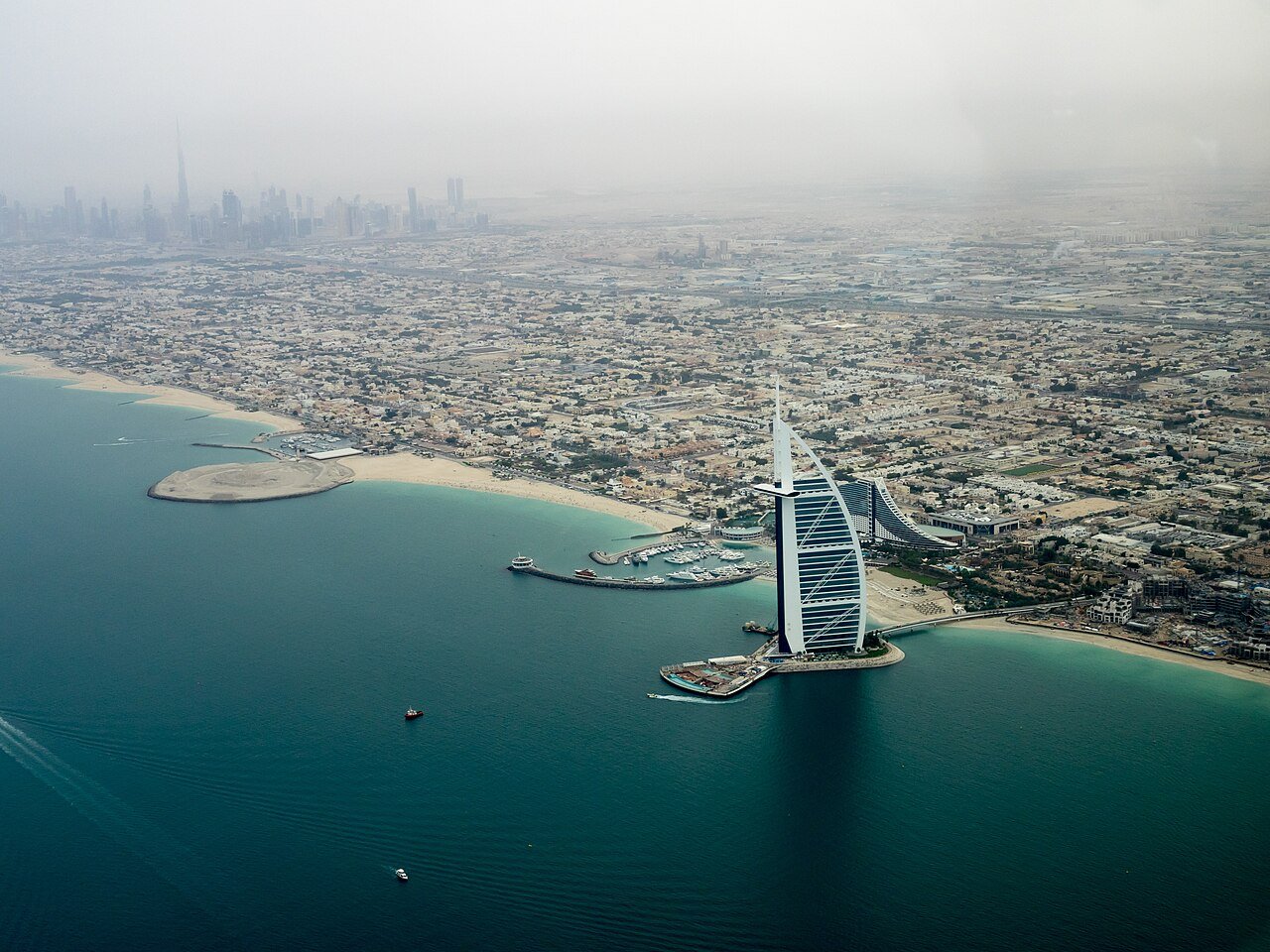
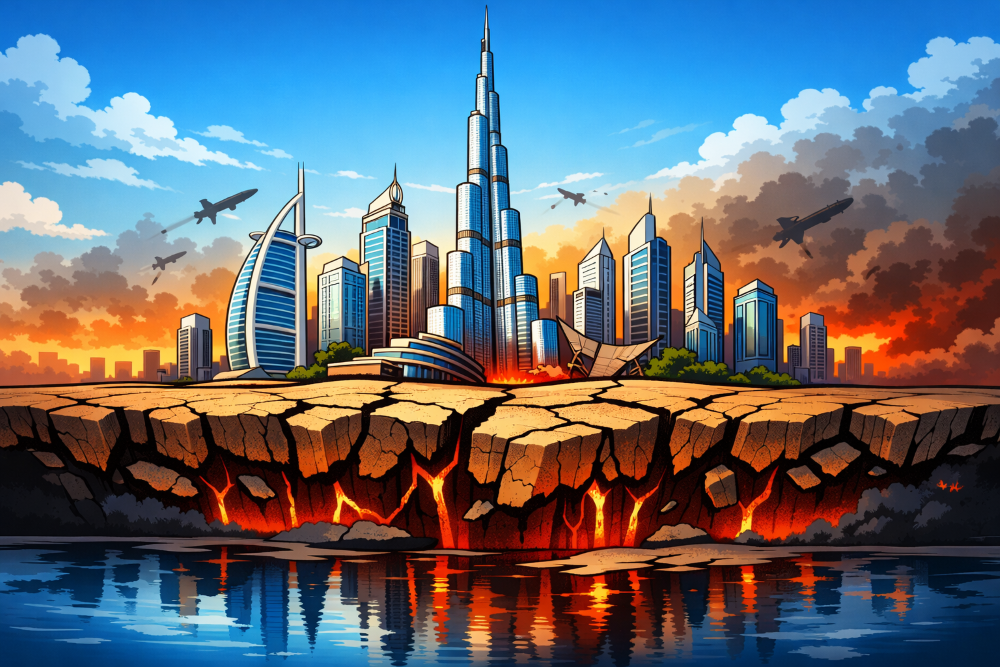
For decades, Dubai cultivated an image unlike any other city in the Middle East, a cosmopolitan oasis of luxury, openness, and relative social freedom. With its glittering skyline, tax-free incentives, and multicultural population, it marketed itself as a “global city” where East meets West. But the recent Iran war has exposed the fragility beneath this carefully constructed façade, revealing the limits of Dubai’s liberalism when confronted with geopolitical crisis.
At the heart of Dubai’s appeal was a promise: stability in a volatile region. While conflicts raged across the Middle East, the emirate projected itself as insulated from turmoil, a “safe haven” for investors, expatriates, and tourists. This perception was central to its economic model, attracting millions seeking security and opportunity. However, the outbreak of the Iran conflict in February 2026 shattered that illusion. Missile and drone strikes reaching UAE territory directly challenged the idea that Dubai could remain untouched by regional tensions.
The psychological impact was immediate. Expats who had relocated for safety suddenly found themselves reassessing their choices. Reports of explosions, airspace closures, and emergency responses undermined confidence in Dubai’s invulnerability. The city’s “brand”—long associated with peace and prosperity, suffered a visible dent, even if its economic fundamentals remained intact.
Yet, it was not just the physical threat that exposed cracks in Dubai’s liberal image. The government’s response to the conflict revealed a more restrictive reality. Authorities imposed strict controls on information, warning residents against sharing videos or commentary that could “disturb public order.” In some cases, individuals were detained for posting conflict-related content online, highlighting the limits of free expression in times of crisis.
This response underscored a fundamental contradiction: Dubai’s openness has always been conditional. While it welcomes global capital, tourism, and diverse cultures, political freedoms remain tightly regulated. The war made this tension more visible. What had once been tolerated as a trade-off for economic opportunity began to feel more restrictive when people were directly affected by conflict and unable to openly discuss it.
The situation of Iranian residents further illustrated this shift. Long an integral part of Dubai’s commercial ecosystem, many Iranians suddenly faced visa revocations, travel bans, and institutional closures. Families were separated, and businesses disrupted, signaling how quickly inclusivity could give way to exclusion under geopolitical pressure.
At the same time, Dubai’s leadership moved swiftly to stabilize markets and reassure investors, introducing economic support measures and emphasizing resilience. Financial markets rebounded on hopes of de-escalation, reflecting confidence in the emirate’s long-term prospects. However, the crisis raised deeper questions about the sustainability of its model.
Dubai’s success has always rested on a delicate balance: offering a liberal lifestyle without political liberalization, and projecting neutrality while operating within a complex geopolitical environment. The Iran war disrupted both pillars. It demonstrated that geographic realities cannot be indefinitely overridden by branding, and that openness without institutional freedoms has inherent limits.
The war did not destroy Dubai’s global appeal, but it fundamentally altered perceptions. The city remains a hub of opportunity, but no longer an unquestioned sanctuary. The façade of effortless liberalism has cracked, revealing a more complex reality: one where prosperity coexists with control, and where even the most carefully curated image cannot fully escape the pressures of the region it inhabits.


