




BY MOHAMMAD TARIQUE SALEEM
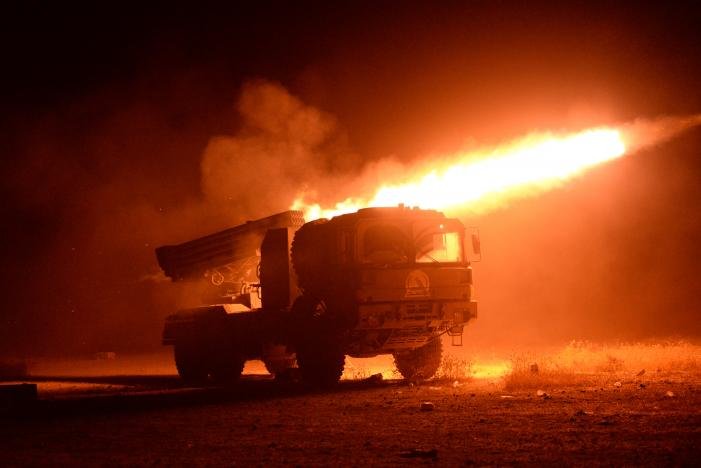
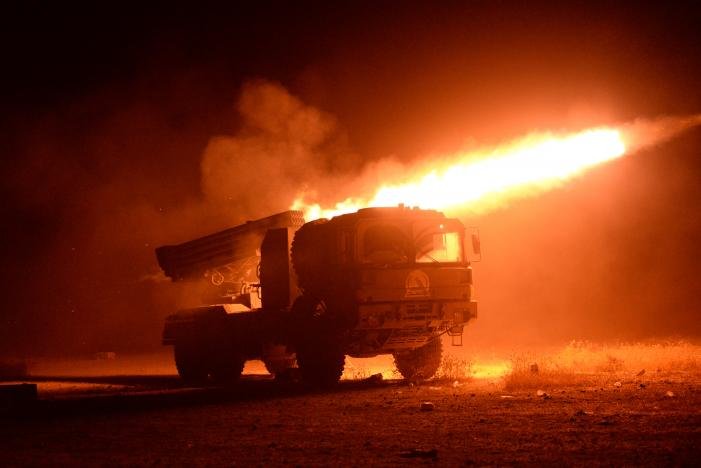
In a major escalation of the ongoing regional conflict, the so-called Islamic Resistance in Iraq (IRI) has claimed responsibility for a coordinated wave of drone and missile strikes targeting key military installations in Jordan early Saturday morning. The scale and precision of the operation mark a significant turning point, as it is the first time this umbrella network of pro-Iran militias has carried out synchronized attacks on multiple high-value targets outside Iraq since the outbreak of the “Epic Fury” war on February 28.
According to statements released through affiliated media channels, the strikes were aimed at strategically important airbases believed to support U.S. and Israeli military operations in the region. Among the targets were Muwaffaq Salti Air Base, a central hub for U.S. Air Force missions; King Abdullah II Air Base, known for tactical airlift and special operations; King Faisal Air Base, which hosts advanced reconnaissance units; and Prince Hassan Air Base, a key installation near Jordan’s eastern frontier.
The military wing of Queen Alia International Airport was also reportedly targeted due to its role in rapid deployment and transit operations. The IRI described the attacks as retaliation for what it called Jordan’s direct and indirect support for operations against Iran and its regional allies. While the Jordanian Armed Forces managed to intercept several incoming drones and missiles, eyewitnesses reported loud explosions near Azraq and on the outskirts of Amman, raising concerns about the effectiveness of regional air defenses against increasingly sophisticated threats.
The incident has placed the government in Baghdad under growing scrutiny. Prime Minister Mohammed Shia’ Al Sudani has repeatedly pledged to prevent Iraq from becoming a battleground for regional conflicts. However, the ability of militia groups to launch long-range, coordinated strikes from Iraqi territory casts doubt on the state’s control over armed factions operating within its borders.
The broader regional reaction has been swift. Countries such as Saudi Arabia and the United Arab Emirates have reportedly contacted Baghdad, urging immediate action to prevent Iraqi territory from being used as a launchpad for further attacks. This latest escalation not only heightens tensions but also signals a dangerous widening of the conflict, with more states at risk of being drawn into an increasingly volatile regional confrontation.