




BY MOHAMMAD TARIQUE SALEEM
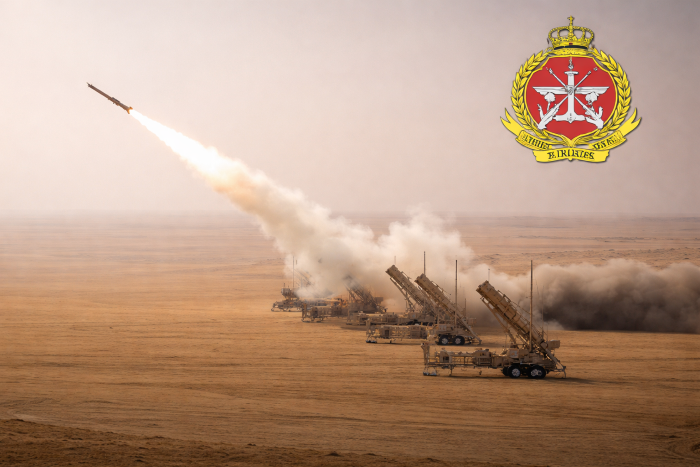
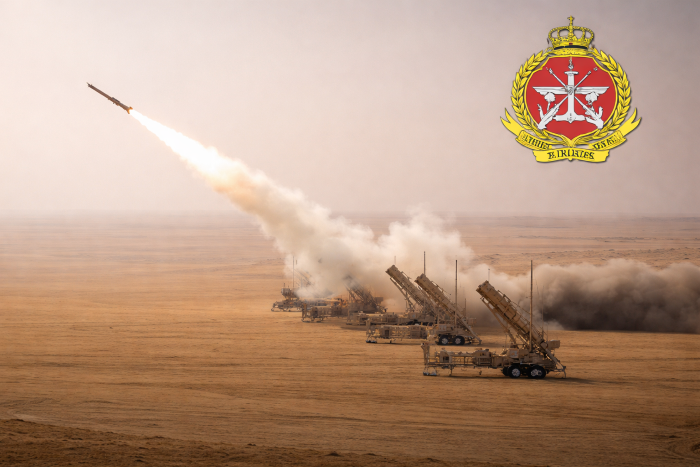
Kuwait is currently facing a tense security situation as its air defense systems actively intercept incoming missile and drone threats. According to an official statement by the Kuwait General Staff of the Army, multiple hostile projectiles have been detected and neutralized in real time, reflecting both the seriousness of the threat and the preparedness of the country’s defense infrastructure.
Authorities confirmed that the loud explosion sounds reported across several areas are not the result of direct strikes, but rather the outcome of successful interception operations. These defensive actions highlight Kuwait’s capability to respond swiftly to aerial threats, particularly in an era where drone warfare and missile technology are increasingly used in regional conflicts. While details about the origin of the attacks remain undisclosed, the situation underscores the broader volatility in the Gulf region.
The government has urged citizens and residents to remain calm but vigilant. People have been advised to strictly follow safety protocols and instructions issued by security agencies. Such measures include staying indoors when necessary, avoiding sensitive locations, and relying only on official sources for information to prevent the spread of rumors or panic.
Kuwait’s strategic location in the Middle East places it within proximity to several geopolitical flashpoints, making robust air defense systems essential for national security. The recent interceptions demonstrate not only operational readiness but also the importance of continuous investment in defense technology and coordination among military units.
While no casualties or damages have been officially reported so far, the situation remains dynamic. Authorities continue to monitor developments closely and have assured the public that all necessary steps are being taken to ensure safety and stability. This incident serves as a reminder of the evolving nature of modern warfare and the critical role of preparedness in safeguarding national sovereignty and civilian life.