




BY MOHAMMAD TARIQUE SALEEM
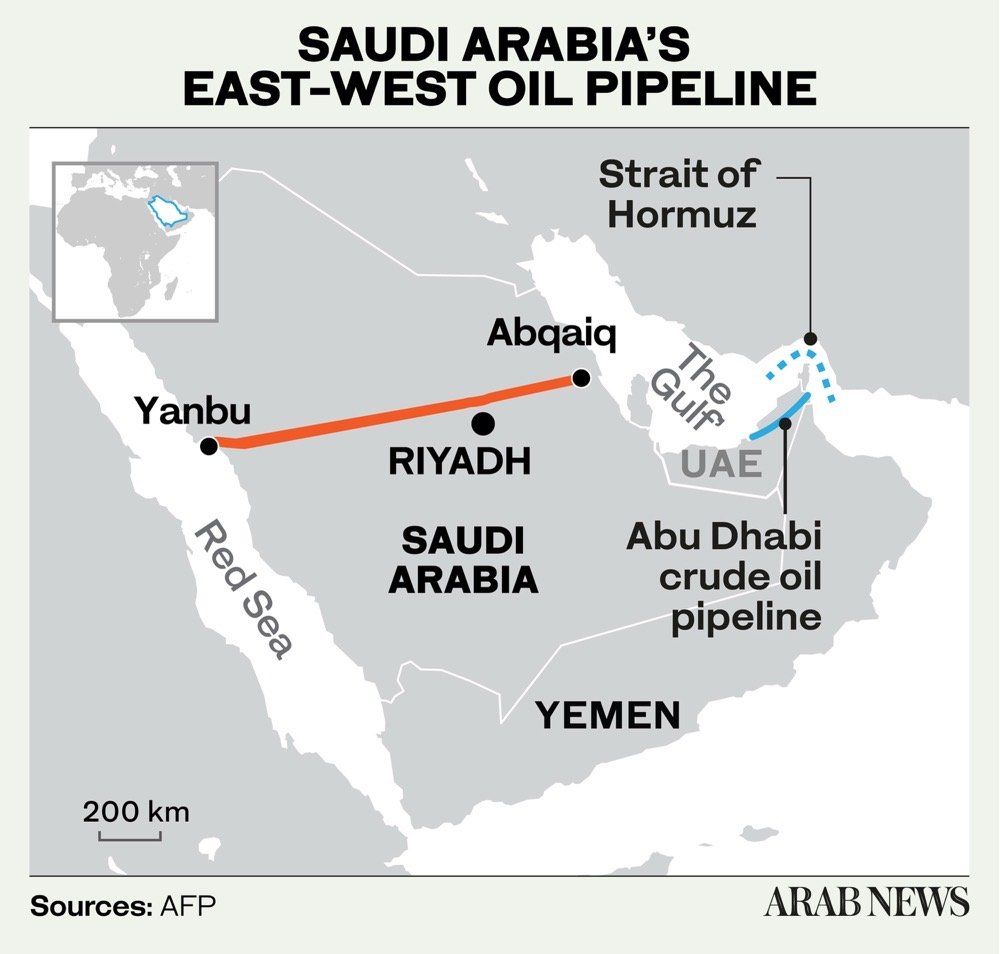
Four decades after its creation in the shadow of regional conflict, Saudi Arabia’s East-West Pipeline, better known as Petroline, has once again emerged as a strategic lifeline for global energy markets. Built in the 1980s during the turbulent years of the Iran-Iraq “tanker war,” the pipeline was designed to bypass the vulnerable Strait of Hormuz, ensuring that Saudi oil could still reach international markets even in times of crisis. Today, as tensions in the region have once again disrupted maritime routes, Petroline is proving its enduring value.
Stretching more than 1,200 kilometers across Saudi Arabia’s challenging terrain, Petroline connects the oil-rich eastern fields, including Abqaiq, to the Red Sea port of Yanbu. Comprising twin pipelines and multiple pumping stations, it has the capacity to transport up to 7 million barrels of oil per day. In the current geopolitical climate, where access through the Strait of Hormuz has been severely restricted, this capacity is being fully utilized, offering a crucial alternative route for oil exports.
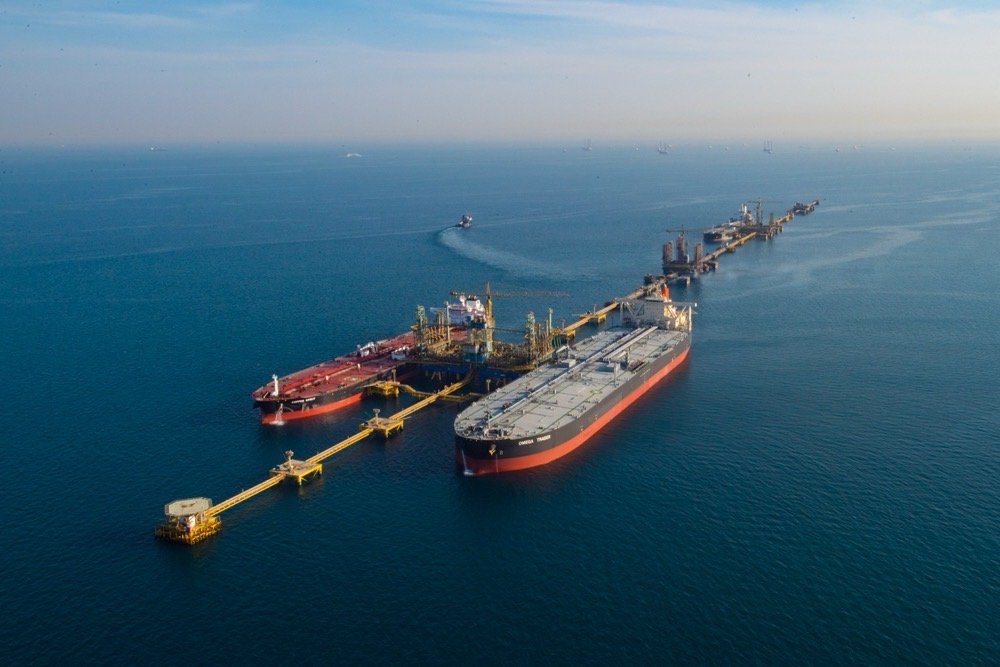
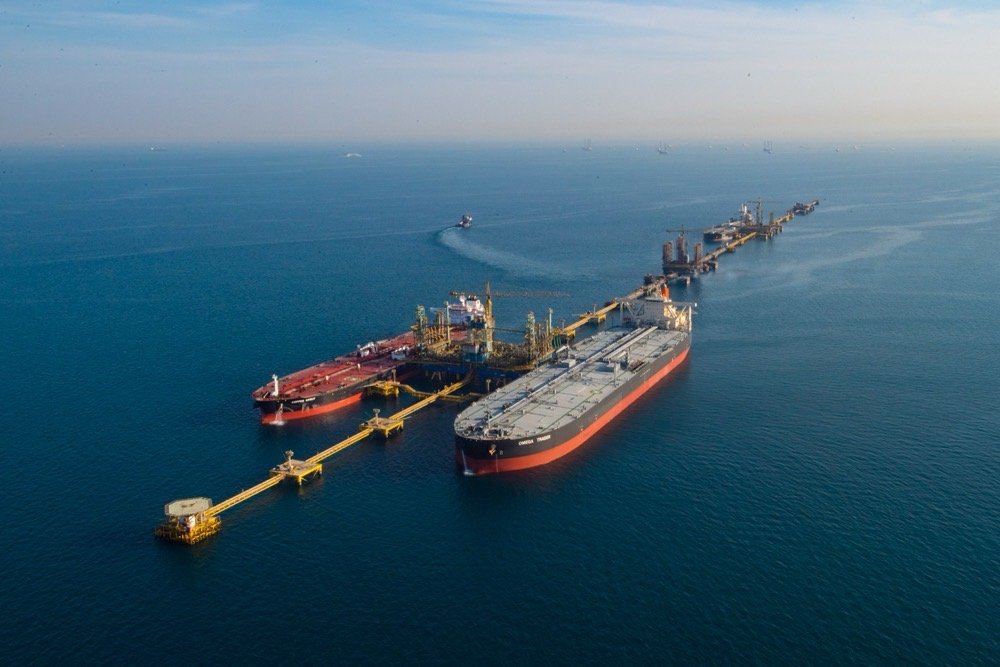
Reports indicate that Saudi Aramco rapidly ramped up Petroline operations as soon as conflict escalated in late February. Within days, oil flows through the pipeline approached maximum capacity, and tankers that would typically load in the Arabian Gulf were redirected to Yanbu. While the 7 million barrels transported daily cannot fully compensate for the estimated 15 million barrels that normally pass through Hormuz, it has nonetheless played a vital role in stabilizing global oil prices and preventing a severe energy crisis.
The importance of Petroline extends beyond mere volume. In times of conflict, the cost of shipping oil through contested waters rises sharply, driven by both physical threats and soaring insurance premiums. Tanker insurance rates, which typically range from 0.15 to 0.25 percent of a vessel’s value, have surged dramatically, reaching as high as 10 percent in recent weeks. Such increases not only deter shipping but also inflate the cost of energy worldwide. By providing a land-based alternative, Petroline reduces dependence on risky sea routes and mitigates these financial pressures.
However, the pipeline is not without its vulnerabilities. In 2019, drone attacks targeted key pumping stations, briefly disrupting operations. Yet, the incident also demonstrated the resilience of the infrastructure: repairs were completed swiftly, and operations resumed with minimal delay. This ability to recover quickly underscores one of Petroline’s key advantages over maritime chokepoints, where a single incident can halt traffic for extended periods.
The current crisis has also sparked renewed discussion about expanding Petroline’s capacity. Doubling its throughput with a parallel pipeline could significantly reduce the world’s reliance on the Strait of Hormuz, effectively weakening one of the most critical chokepoints in global energy supply. Compared to more ambitious proposals—such as constructing a canal across the Arabian Peninsula, expanding pipeline infrastructure would be faster, more cost-effective, and far less vulnerable to disruption.
Yet, even Petroline’s effectiveness depends on the security of downstream routes. Oil transported to Yanbu must still be shipped through the Red Sea and the Bab Al-Mandab Strait, another strategic bottleneck. Recent threats from regional actors, including attacks on shipping, highlight the persistent risks in these waters. Should these routes also become compromised, the benefits of Petroline could be significantly diminished.
History offers valuable lessons in this regard. The Trans-Arabian Pipeline (Tapline), completed in 1950, once carried Saudi oil to the Mediterranean, bypassing both Hormuz and the Suez Canal. Like Petroline, it was a product of geopolitical necessity and technological innovation. Although eventually decommissioned, Tapline transformed the regions along its route, creating communities and economic opportunities. Its legacy serves as a reminder of how infrastructure built during times of crisis can yield long-term benefits.
Today, Petroline stands as a testament to Saudi Arabia’s strategic foresight and adaptability. While it cannot entirely replace maritime routes, it provides a critical buffer against disruptions, helping to stabilize global energy markets in uncertain times. As geopolitical tensions persist, investments in such infrastructure may prove essential, not only for energy security but also for the broader stability of the global economy.