





BY MOHAMMAD TARIQUE SALEEM
Since February 28, 2026, the security landscape across Kuwait and the wider Gulf region has undergone a serious test, but one that has also highlighted the strength, preparedness, and unity of GCC nations. What initially appeared to be a distant geopolitical confrontation soon moved closer to home, as Iranian missiles and drones were launched toward the Gulf in response to joint U.S.-Israeli military actions. Yet, amid these tensions, Kuwait and its regional partners demonstrated resilience and capability in safeguarding their people and infrastructure.
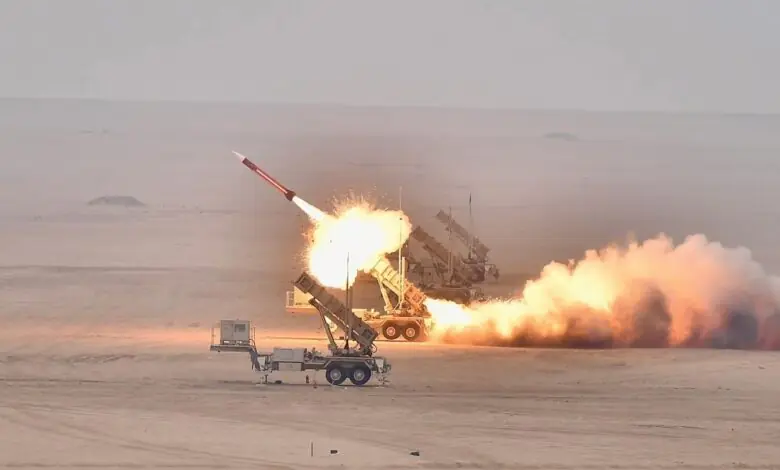
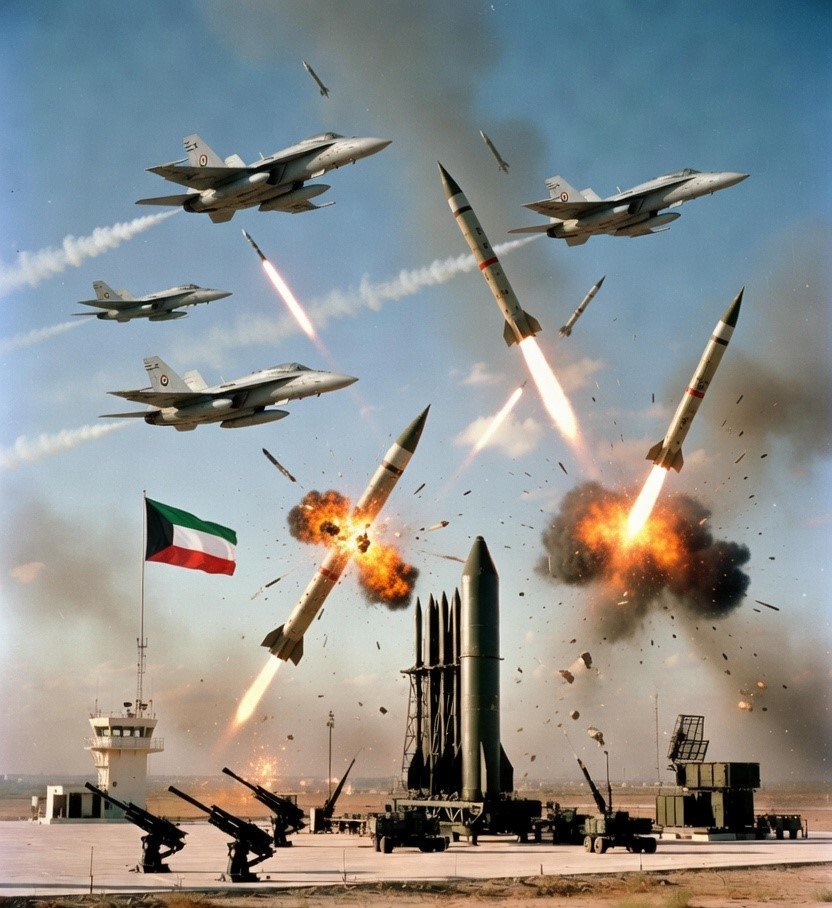
Kuwait’s response was swift, coordinated, and highly effective. Within hours of the first wave of incoming threats, the country’s advanced air defense systems were activated. These systems successfully intercepted multiple missiles and drones mid-air, preventing what could have been significant damage to civilian areas and vital installations. Kuwaiti authorities confirmed that these proactive measures played a crucial role in maintaining stability and protecting lives, reinforcing confidence in the nation’s defense preparedness.
The situation was not isolated to Kuwait alone. Fellow Gulf Cooperation Council (GCC) members, including Saudi Arabia, United Arab Emirates, Bahrain, and Qatar, also faced similar threats. However, what stood out was the spirit of coordination and shared security among these nations. Intelligence sharing, joint preparedness strategies, and strong diplomatic alignment helped ensure that the region remained stable despite the escalation.
Kuwait’s strategic importance, including its longstanding defense partnerships and role in regional security, made it a potential target. However, rather than exposing vulnerability, the events underscored the country’s capability to respond decisively under pressure. In Kuwait City, residents experienced moments of concern as sirens sounded and emergency protocols were activated. Yet, the efficiency of the response systems reassured the public. Airspace was temporarily closed as a precaution, and authorities ensured that all necessary safety measures were implemented with clarity and professionalism.
Although debris from intercepted projectiles caused minor, localized damage, the overall impact remained limited, an outcome that reflects the effectiveness of Kuwait’s defense infrastructure. Importantly, casualties were kept to a minimum, a testament to both preparedness and rapid response. Across the GCC, similar success stories emerged, reinforcing the idea that regional cooperation is a key pillar of security.
As the situation evolved into March and April, analysts noted a shift in tactics, with fewer but more targeted threats aimed at critical infrastructure such as energy facilities and government sites. Once again, Kuwait rose to the challenge. Its defense systems continued to intercept the majority of these threats, ensuring that essential services remained operational and disruptions were contained.
The Kuwaiti government has firmly condemned these attacks as violations of sovereignty and international law, while maintaining a balanced and responsible stance. It has emphasized both the right to self-defense and the importance of regional stability, calling for restraint to prevent further escalation. This measured approach reflects Kuwait’s long-standing commitment to diplomacy, peace, and cooperation within the Gulf.
For citizens and residents, these events have been a reminder of the importance of vigilance, but also a source of reassurance. The ability of Kuwait and its GCC partners to withstand such challenges highlights not only military strength but also unity, resilience, and forward-looking leadership. In a region often defined by uncertainty, Kuwait and the GCC have sent a clear message: they are prepared, coordinated, and committed to protecting their people while working toward long-term peace and stability.