






Arabian Times News Network
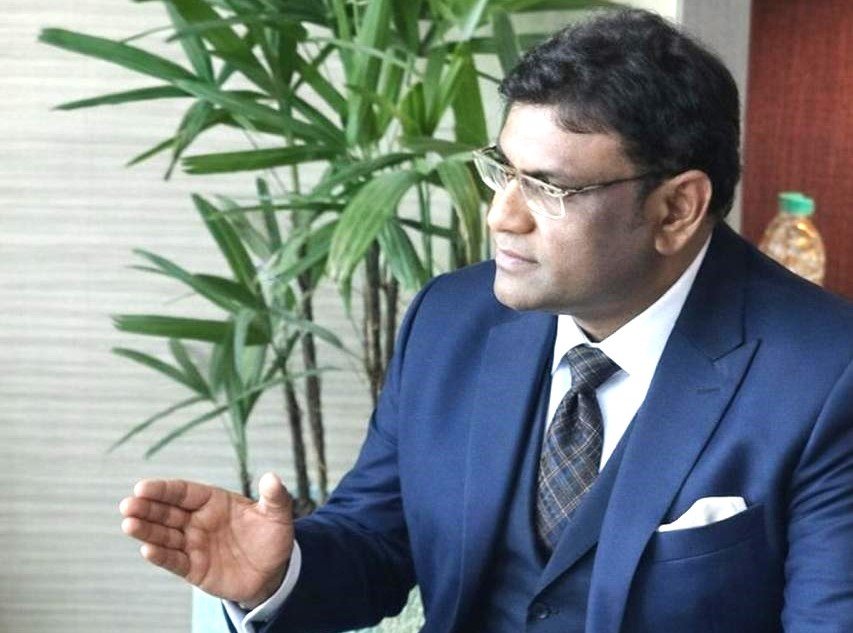
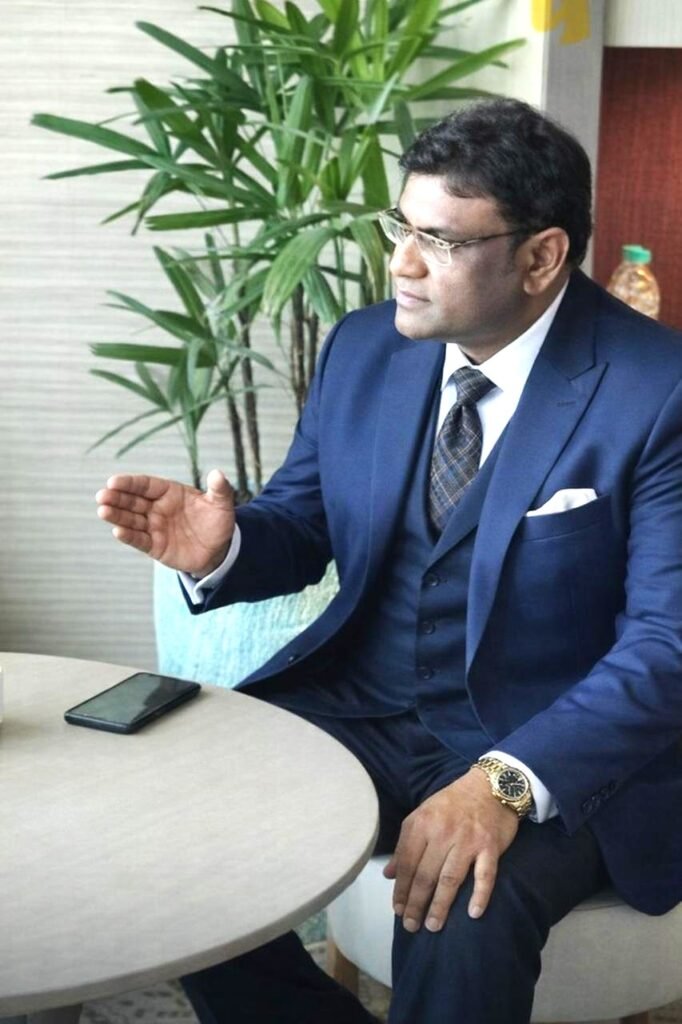
In an era where business leadership is increasingly defined by purpose as much as profit, Syed Musharraf stands out as a multifaceted leader bridging entrepreneurship with social responsibility. Born on January 26, 1971, in Ajmer, Rajasthan, Musharraf’s journey reflects the evolution of a modern Indian business leader, one who has successfully navigated traditional enterprise while embracing broader societal roles. Armed with a Bachelor of Commerce in Accounts from Government College Ajmer, he laid a strong financial and strategic foundation early in his career.
Now based in Mumbai, India’s financial capital, Musharraf has steadily built a diversified professional portfolio. As Chairman and Managing Director of Momin Group of Hospitality, he oversees operations in a sector that demands both agility and customer-centric innovation. But what differentiates Musharraf is not just his business footprint, it is the breadth of his institutional engagement. Musharraf’s leadership extends across a wide spectrum of organizations, reflecting a network-driven approach to influence : General Secretary at FAAMC, South Block, New Delhi / Director at the Gandhi Mandela Foundation / Vice President of the / Am Peacekeeper Movement / Advisor to the Urdu Press Club of India / Founder of the Sufi Council of India.
Additionally, his affiliations as a life member of the Press Club of India and the Star Guild Writer Associations position him at the intersection of media, culture, and public discourse. This multi-institutional involvement highlights a leadership philosophy that goes beyond boardrooms, into policy, communication, and cultural engagement. Musharraf’s role as Business Development Director for Aakash Group India Pvt. Ltd., along with his association with the private office of a Saudi royal figure in Riyadh, signals a growing international dimension to his career.
Such cross-border engagements underscore a key trend among emerging market leaders: leveraging global networks while maintaining strong domestic roots. At a time when corporate social responsibility is often formalized into frameworks, Musharraf’s approach appears more personal and mission-driven. Through initiatives tied to peacebuilding, community development, and cultural preservation, he has positioned himself as a socially conscious leader. The founding of the Sufi Council of India, in particular, reflects an emphasis on promoting harmony and spiritual dialogue, an increasingly relevant theme in today’s fragmented global landscape.
Musharraf’s recognition through various awards for business and social contributions points to a career defined not just by financial success, but by influence and impact. Fluent in Hindi, Urdu, and English, he operates comfortably across diverse cultural and professional environments, a critical skill in today’s interconnected world. As the lines between business leadership and social responsibility continue to blur, figures like Syed Musharraf represent a growing class of leaders who view influence as a platform for broader change. His journey illustrates a key insight: sustainable leadership in the modern era is not built solely on enterprise, but on the ability to integrate business success with societal value.