



BY MOHAMMAD TARIQUE SALEEM
For many Lebanese families, the sound of warplanes and the sight of hurried evacuations are not new, they are painful reminders of a past they never fully escaped. Decades after Israel ended its long occupation of southern Lebanon in 2000, history seems to be circling back. Once again, homes are being abandoned, villages emptied, and lives disrupted by a conflict that feels both familiar and frighteningly uncertain. The latest wave of fear began on March 22, when Israeli forces struck the Qasmiyeh Bridge, an essential route connecting southern Lebanon to the rest of the country.
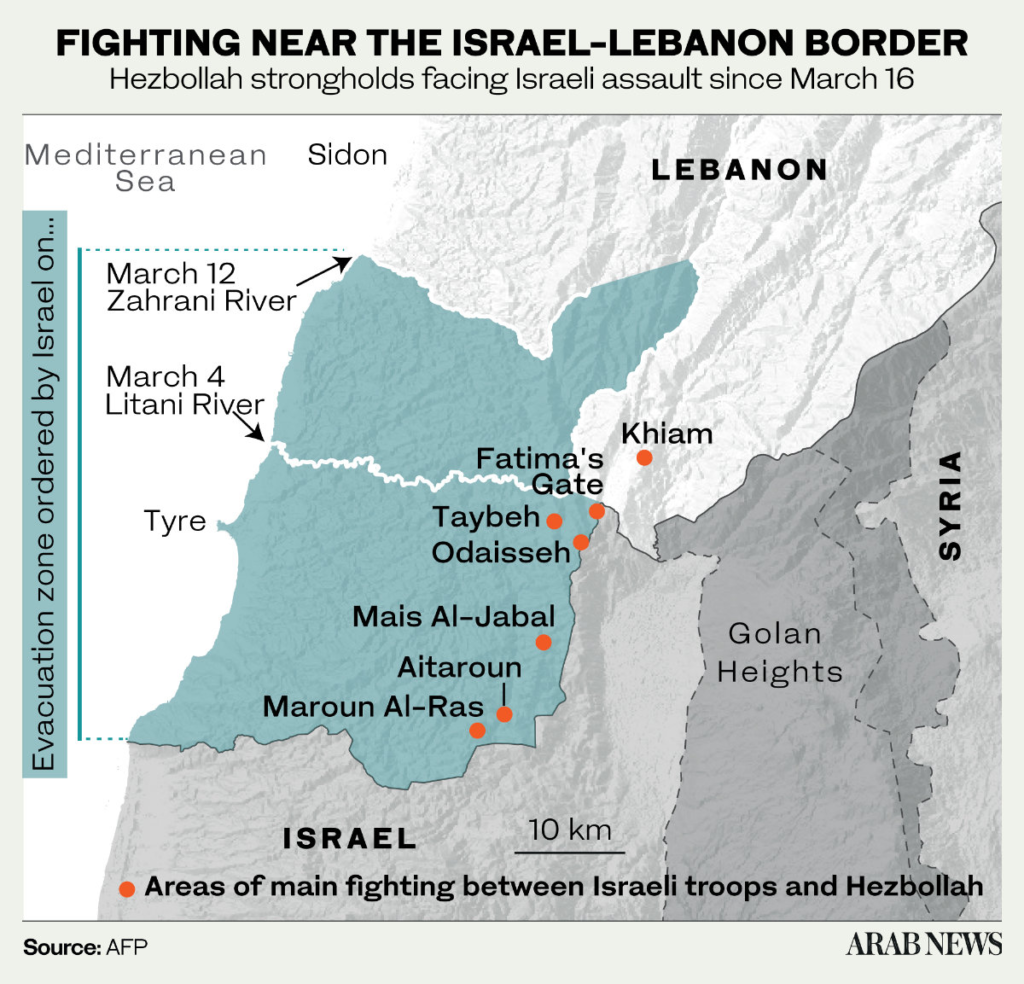
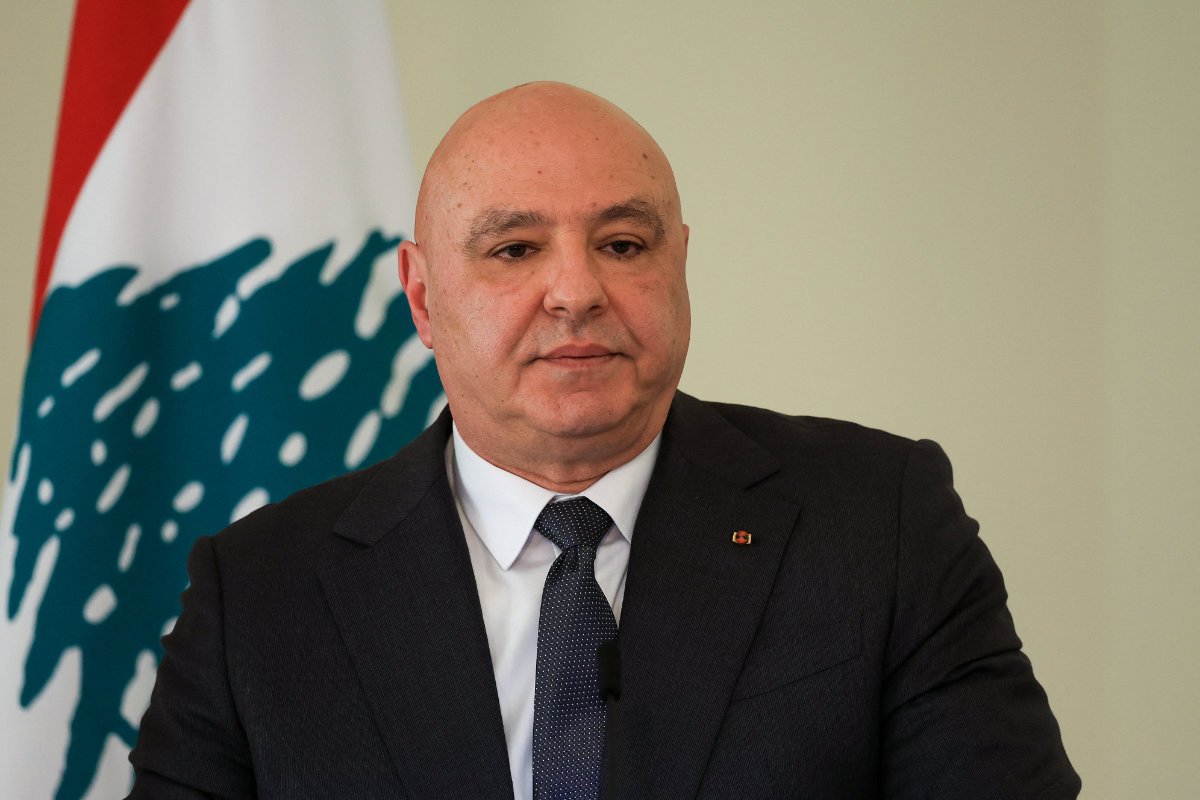
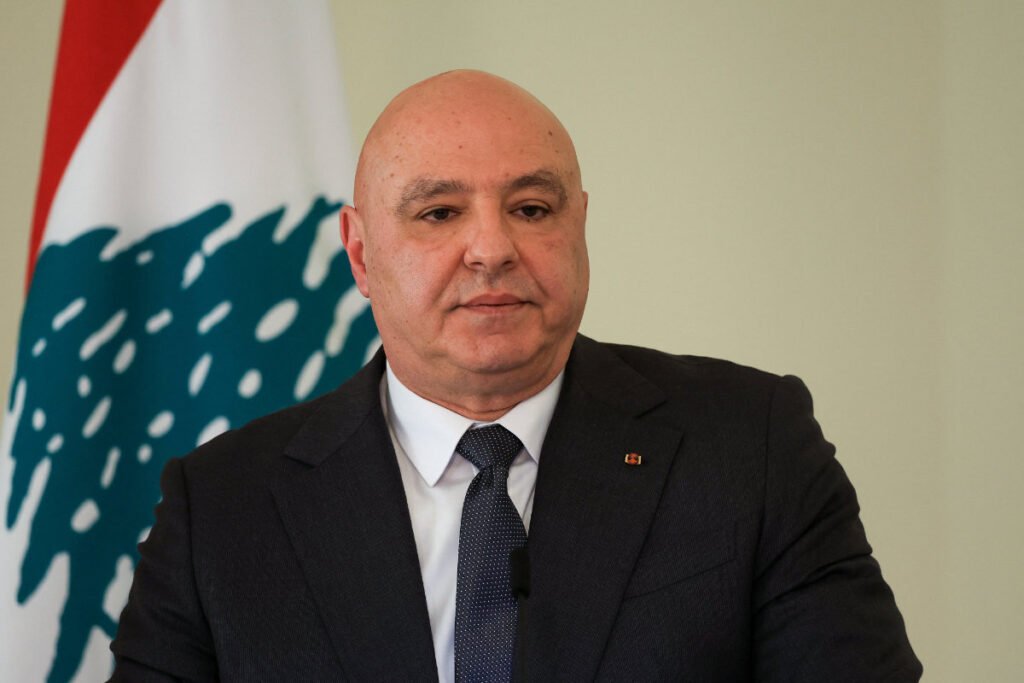
To many, it wasn’t just a military strike; it felt like a warning sign. Lebanon’s President, Joseph Aoun, called it a “prelude to a ground invasion,” expressing concern that the south could be cut off entirely, both geographically and politically. Israel has publicly tried to calm such fears. Its UN representative, Danny Danon, insisted that there is no intention to occupy or annex Lebanese land. According to him, Israel’s goal is security, specifically pushing Hezbollah forces further away from its northern border. But statements from other Israeli leaders tell a more complicated story.
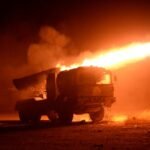
Finance Minister Bezalel Smotrich openly spoke about shifting Israel’s border to the Litani River, while Prime Minister Benjamin Netanyahu described expanding a “buffer zone.” For ordinary Lebanese, those words carry weight. They remember what a “buffer zone” once meant, years of occupation, restricted movement, and constant fear. Today, that fear is returning. Since early March, the violence has escalated rapidly. Hezbollah’s rocket and drone attacks were followed by intense Israeli airstrikes across multiple regions, including Beirut and the Bekaa Valley. The result has been devastating.
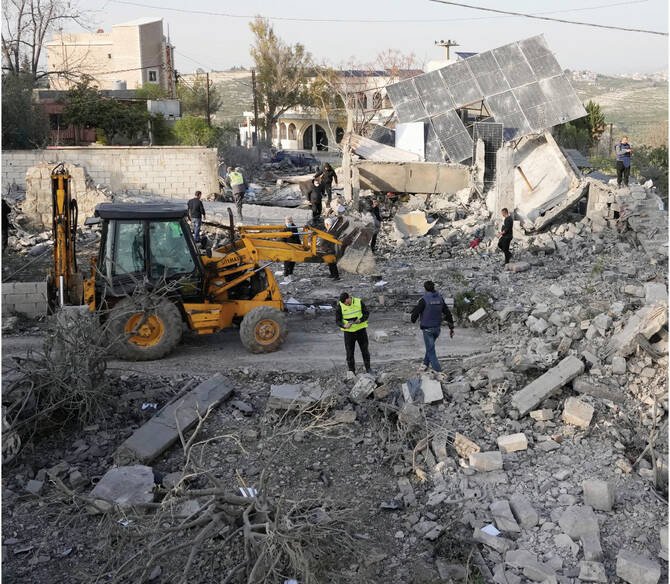
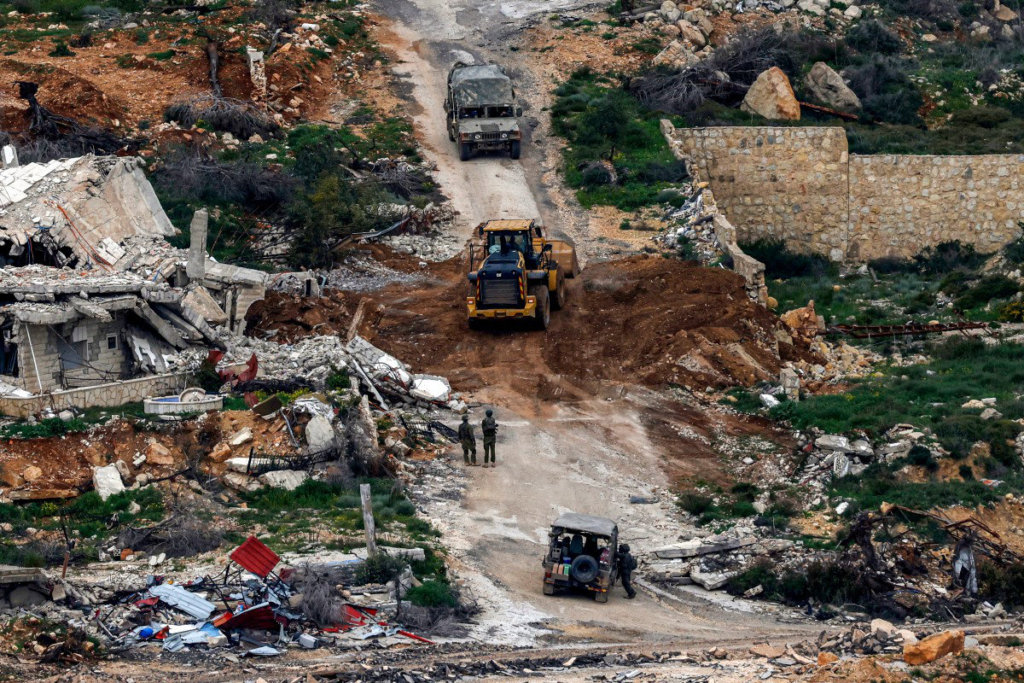
Thousands have been killed or injured, and more than a million people have been forced to flee their homes. Entire neighborhoods now stand in ruins, and basic services like electricity and water have collapsed in many areas. But beyond the destruction, there is a deeper worry: what happens next? Some experts believe the scale of damage is not just about weakening Hezbollah, but also about making it difficult, if not impossible, for people to return. If that happens, temporary displacement could quietly become permanent.
Inside Lebanon, there is no unified path forward. President Aoun has called for dialogue, hoping to avoid further escalation. However, Hezbollah’s leader, Naim Qassem, has rejected negotiations under current conditions, seeing them as a sign of surrender rather than diplomacy. This divide reflects a larger reality, Lebanon is not just dealing with a conflict on its borders, but also with internal tensions and regional pressures. The situation is deeply tied to broader Middle Eastern dynamics, particularly Iran’s role and its alliances. For Israel, too, the situation is complex.
A deeper ground operation could bring short-term gains but risks dragging the country into a prolonged and costly conflict, something many still remember from the past. For now, the people of southern Lebanon are left in limbo. Displaced families wait in crowded shelters, unsure if they will ever return home. Farmers have lost their land, children their sense of normalcy. And above all, there is a quiet but growing fear, that this is not just another chapter of conflict, but the beginning of something much longer. Because in Lebanon, war doesn’t just destroy buildings, it reshapes lives for generations.