




BY MOHAMMAD TARIQUE SALEEM
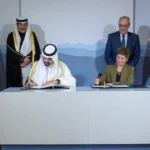
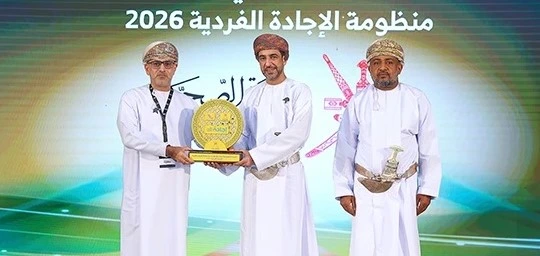
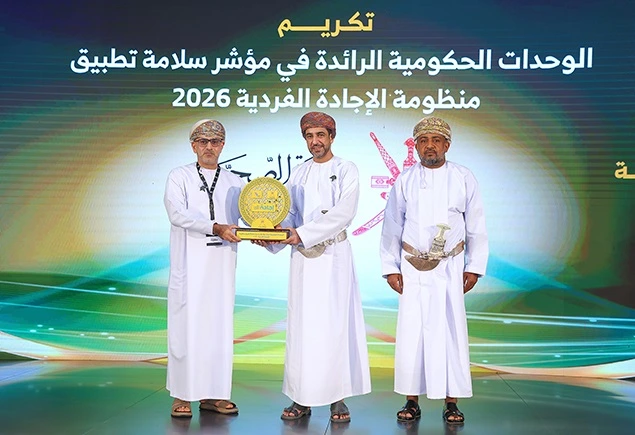
The Ministry of Health recently honored as a leading government unit in the application integrity index of the individual Ejada system for 2026, as announced during the Individual and Institutional Ejada Seminar of the Labour Forum in Dhofar. This recognition reflects the Ministry’s ongoing drive toward quality by adopting best administrative and development practices, particularly in enhancing both individual and institutional performance efficiency. It aligns individual employee performance with institutional outcomes to achieve the strategic goals of the health sector.
This achievement extends across various administrative and medical units by applying approved standards of Ejada, fostering a culture of excellence and innovation in the delivery of health services. It also demonstrates the institutional community’s level of commitment to excellence tools that support change management and reinforce a continuous evaluation approach across all sectors of the Ministry.
The application integrity index of the individual Ejada system pertains to the established practices and their implementation in achieving individual and institutional objectives, aligning performance indicators and measuring their results regularly in order to improve the quality of services provided to employees and residents of the Sultanate of Oman, and to fulfill the aspirations of Oman Vision 2040 in developing the State’s Administrative Apparatus.