







ARABIAN TIMES NEWS NETWORK
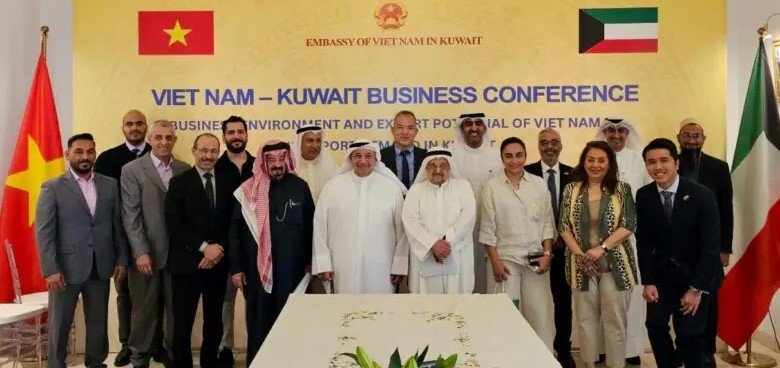
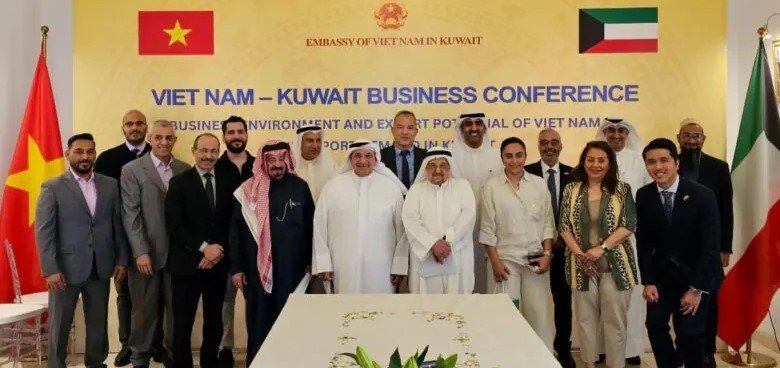
In a positive step toward stronger economic cooperation, the Vietnamese Embassy in Kuwait, together with the Ho Chi Minh City Trade and Investment Promotion Center, organized the Vietnam–Kuwait Business Conference recently. The event brought together government officials, business leaders, and investors from both countries, creating a valuable platform to explore new trade and investment opportunities. The conference focused on presenting Vietnam’s growing business potential, its key export products, and Kuwait’s rising import needs.
More than 60 companies from Vietnam and Kuwait participated, representing sectors such as trade, import-export, services, manufacturing, and investment. The Vietnamese delegation included Ambassador Nguyen Duc Thang, representatives of the Vietnamese Trade Office in Kuwait, and officials from the Ho Chi Minh City Trade and Investment Promotion Center. From the Kuwaiti side, members of the Kuwait Chamber of Commerce and Industry, business leaders, and media representatives attended the event.
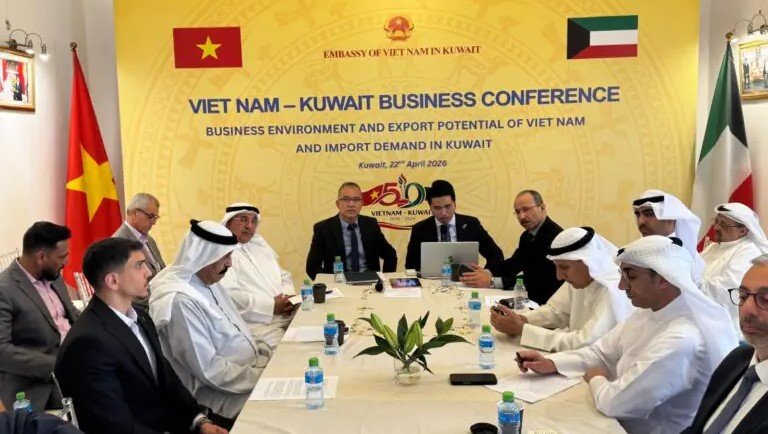
In his opening speech, Ambassador Nguyen Duc Thang highlighted the steady progress in relations between Vietnam and Kuwait, especially in trade and economic cooperation. He noted that bilateral trade between the two countries has remained strong, reaching between $7.3 billion and $7.5 billion annually over the past three years. This is Vietnam’s highest trade volume with any partner in the Middle East and North Africa region. The Ambassador also referred to an important diplomatic achievement, the upgrade of relations to a Strategic Partnership during the Vietnamese Prime Minister’s visit to Kuwait in November 2025.
He said this milestone has created fresh momentum for deeper cooperation in many sectors. Kuwait continues to be Vietnam’s largest trading partner in the GCC region. The country imports a wide range of Vietnamese products, including agricultural goods, seafood, fruits, beverages, construction materials, and household items. These products are increasingly popular among Kuwaiti consumers because of their quality and competitive prices. At the same time, Kuwait plays an important role for Vietnam as a key supplier of energy and crude oil, helping support Vietnam’s industrial growth and energy needs.
Ambassador Thang said the conference comes at an important time, as the world faces economic uncertainty, supply chain challenges, and regional tensions. He described the event as significant not only for business, but also for diplomacy, especially as both nations celebrate the 50th anniversary of diplomatic relations (1976–2026). Le Anh Hoang, Deputy Director of the Ho Chi Minh City Trade and Investment Promotion Center, introduced Vietnam’s investment climate and export strengths. He described Ho Chi Minh City as a major economic and financial center with excellent opportunities for global trade.
Among Vietnam’s leading exports are rice, fresh fruits, coconuts, seafood, processed foods, and household goods. He also noted that many Vietnamese companies are now expanding their production of Halal-certified products to meet the growing demand in Gulf and Middle Eastern markets. Nguyen Tuan Dung, Head of the Vietnamese Trade Office in Kuwait, spoke about the strong potential of the Kuwaiti market. He pointed to Kuwait’s high purchasing power, strong consumer demand, and dependence on imports. He encouraged Vietnamese businesses to take part in trade fairs and promotional events in Kuwait to grow their presence in the market.
One of the most productive parts of the conference was the networking session. Kuwaiti companies shared their import needs in areas such as food, seafood, spices, furniture, paint, construction materials, medical equipment, and healthcare services. Vietnamese companies responded by presenting their products and capabilities. Many participants said they had made useful contacts, found potential partners, and started discussions that may soon lead to business agreements. At the end of the conference, Ambassador Nguyen Duc Thang thanked all participants and reaffirmed the Vietnamese Embassy’s commitment to supporting businesses from both countries and helping create stronger trade and investment ties in the years ahead.



