

BY MOHAMMAD TARIQUE SALEEM
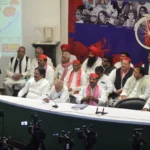
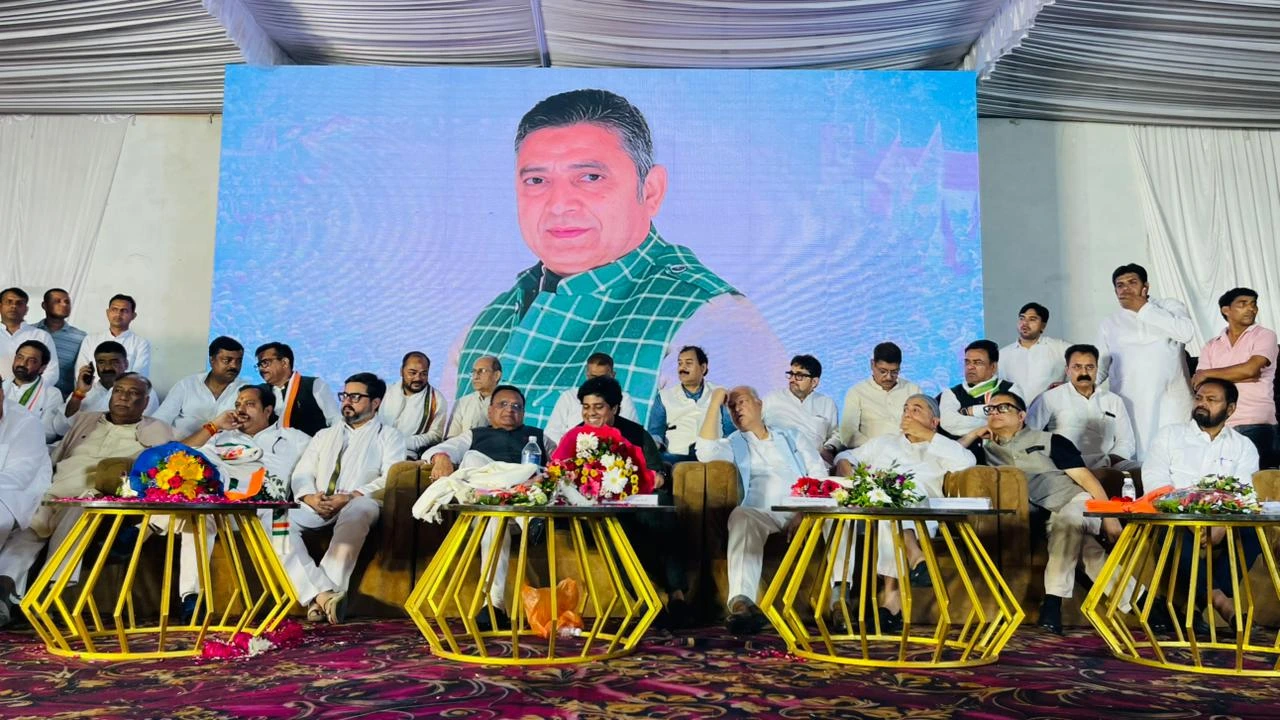
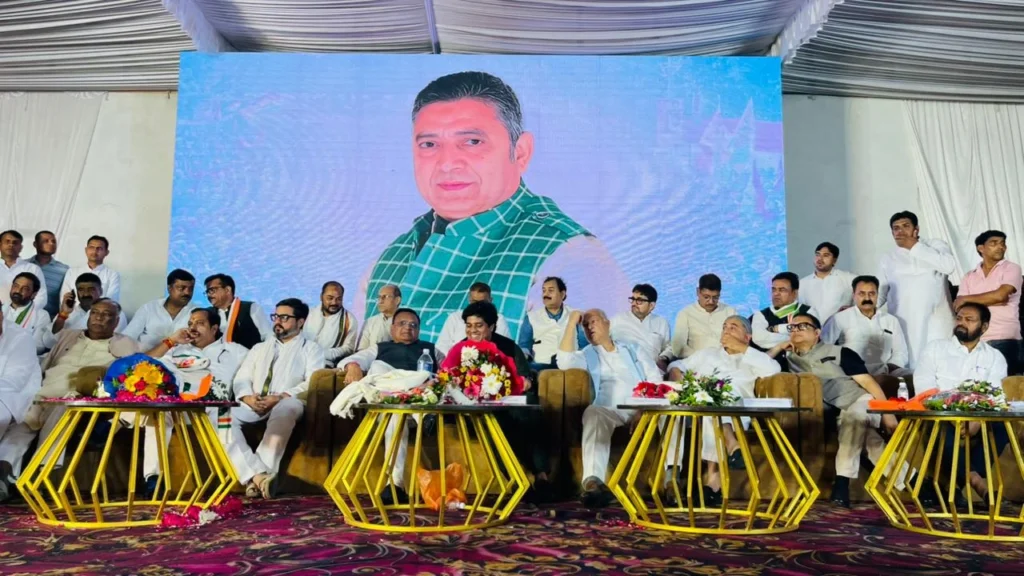
In a move that signals a renewed push to strengthen minority outreach in Uttar Pradesh, the Congress party has appointed former MLA Sohel Akhtar Ansari as the Chairman of its Minority Department in the state. He took oath at a well-attended programme on May 3, marking what party leaders described as an important step ahead of future elections. Speaking at the event, senior Congress leader and Rajya Sabha MP Imran Pratapgarhi launched a sharp attack on the central government.
He said the real threat facing the country today goes beyond any single community, it is a challenge to the Constitution and the very foundation of democracy. Pratapgarhi stressed that minorities in India are not limited to Muslims alone, but include Sikhs, Christians, Jains, Buddhists, and Parsis. While he alleged that Muslims are being particularly targeted in the current political climate, he warned that the deeper concern is the weakening of constitutional values.
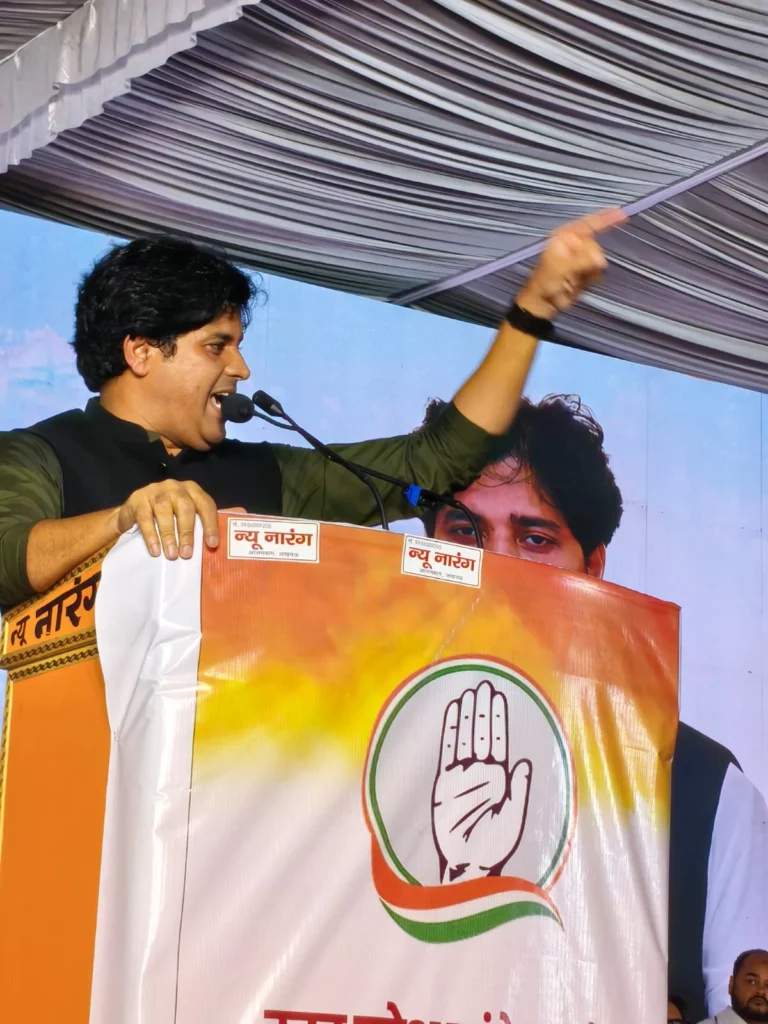
Referring to Rahul Gandhi carrying a copy of the Constitution in Parliament, he said it unsettles the BJP because it highlights Congress’s commitment to protecting democratic principles. “If the Constitution is weakened, democracy itself will not survive, and minorities will suffer the most,” he said. He also urged party workers to shift their focus from chasing positions to building collective strength. According to him, Ansari’s appointment came after detailed discussions among top party leaders, reflecting a carefully considered decision.
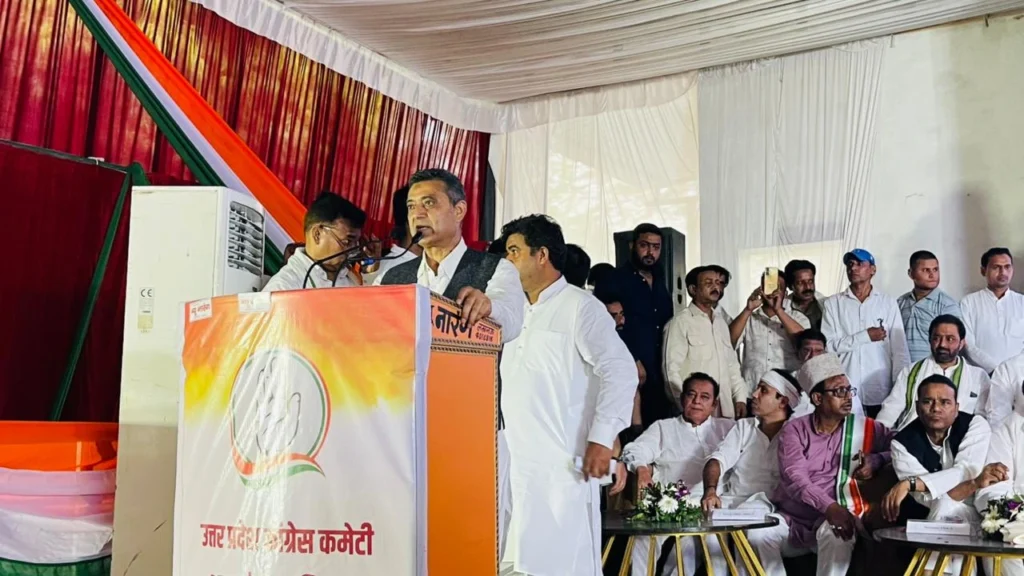
Congress leader Avinash Pande echoed the need for preparation, pointing out that around 70 assembly constituencies in Uttar Pradesh have a significant minority voter base that can influence election results. He made it clear that the party is already setting its sights on the 2027 Assembly elections and must begin strengthening its organization from now.
With Ansari’s appointment, the Congress appears to be sending a clear message, it is reorganizing its minority strategy with a focus on safeguarding the Constitution and reinforcing democratic values. The coming years will show how effectively this approach translates into electoral success. Several senior leaders and party workers were present at the event, including MP Tanuj Punia, Uttarakhand MLA Qazi Nizamuddin, Anshu Awasthi, Manish Hindvi, Dr. Shehzad Alam, Amit Kumar Srivastava, and many others.