





ARABIAN TIMES NEWS NETWORK
In a significant move aimed at strengthening Oman’s position as a leading international financial hub, His Majesty Sultan Haitham bin Tarik has issued a Royal Order appointing the Board of Directors of the International Financial Centre of Oman (IFC Oman). The appointment marks a pivotal milestone in the establishment of the ambitious financial centre, which is expected to play a key role in attracting global investment and accelerating the Sultanate’s economic diversification efforts.
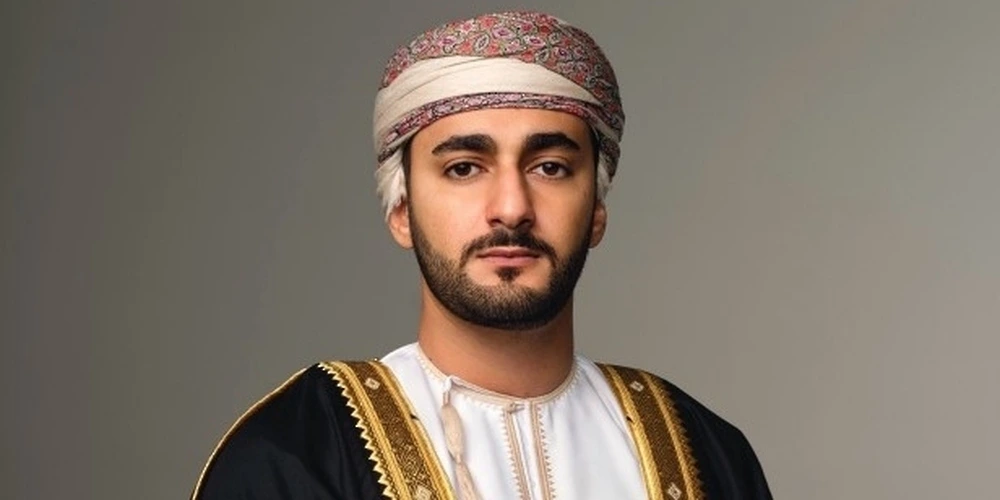
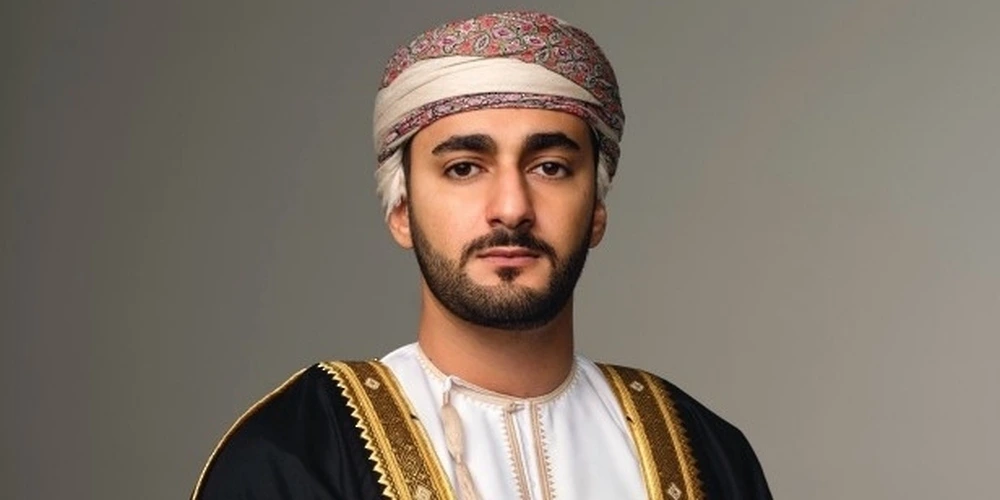
According to the announcement, the Board will be chaired by His Highness Sayyid Theyazin bin Haitham Al Said, Deputy Prime Minister for Economic Affairs. The board brings together an experienced group of senior leaders and experts from government, financial, regulatory, and international sectors, reflecting Oman’s commitment to building a world-class financial ecosystem based on international best practices.
The newly appointed Board of Directors has been entrusted with overseeing the completion of the legislative, regulatory, and operational frameworks necessary for the centre’s launch. It will also provide strategic direction to ensure that IFC Oman achieves its long-term objectives and contributes meaningfully to the nation’s economic development agenda.
A key responsibility of the board will be establishing a governance framework founded on integrity, transparency, and accountability. These principles are expected to enhance international confidence in the centre and support its planned operational launch by the end of the year.
The International Financial Centre of Oman was established under Royal Decree No. 8/2026 as a legally independent financial centre operating under a legal framework based on Common Law principles. This structure is designed to provide international investors and businesses with a familiar and competitive environment for conducting financial and commercial activities.
The initiative aligns closely with Oman Vision 2040, the Sultanate’s long-term strategy to diversify the economy beyond oil revenues and strengthen the financial services sector. The centre is expected to serve as a strategic gateway connecting markets across the Gulf Cooperation Council (GCC), South Asia, and East Africa, positioning Oman as a trusted regional and international financial destination.
The appointment of the board signals the beginning of a new chapter for Oman’s financial sector. With strong leadership, a clear regulatory framework, and a vision aligned with global standards, IFC Oman is poised to become a major driver of investment, innovation, and sustainable economic growth in the years ahead.