






COMPILED BY MOHAMMAD TARIQUE SALEEM
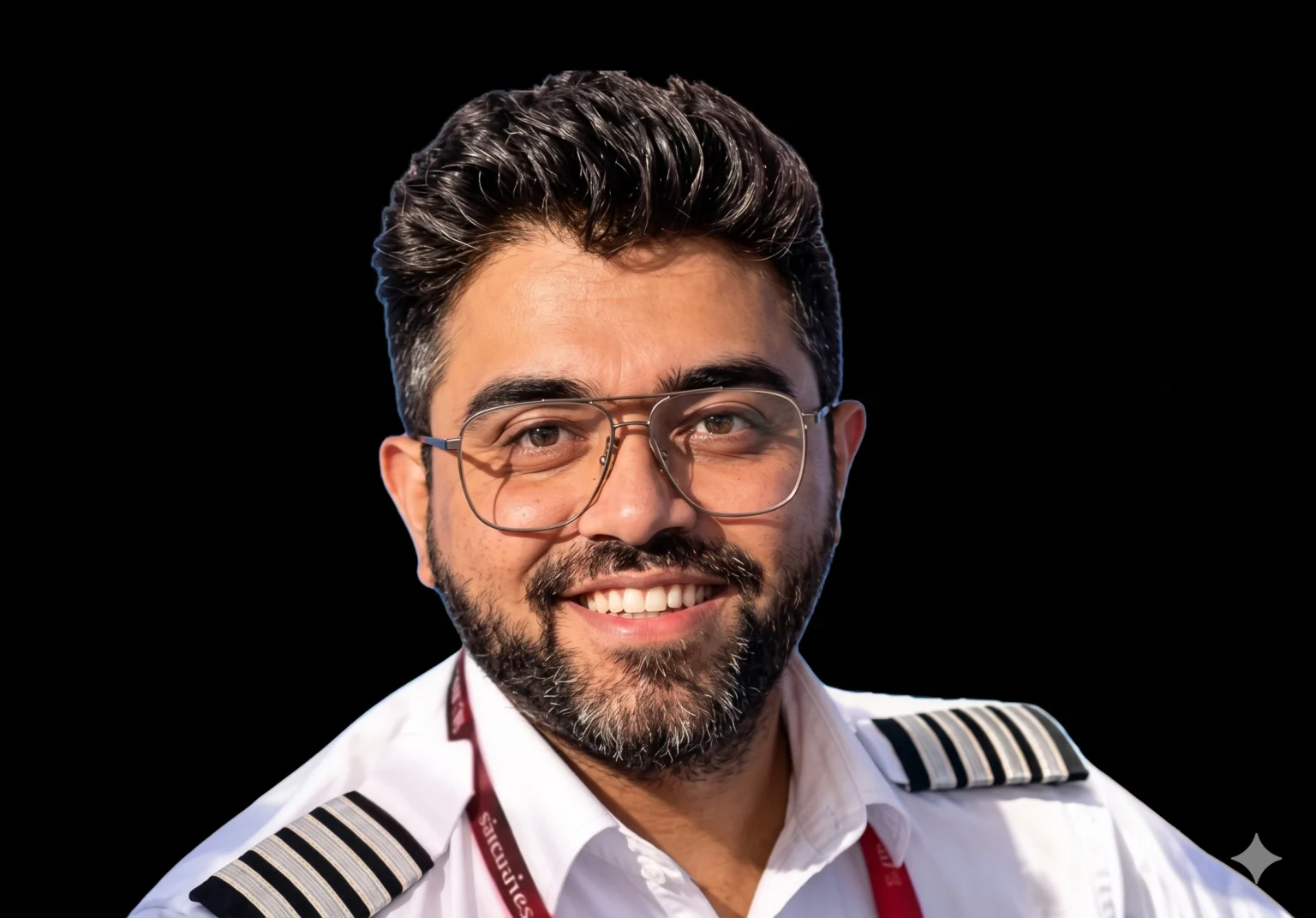
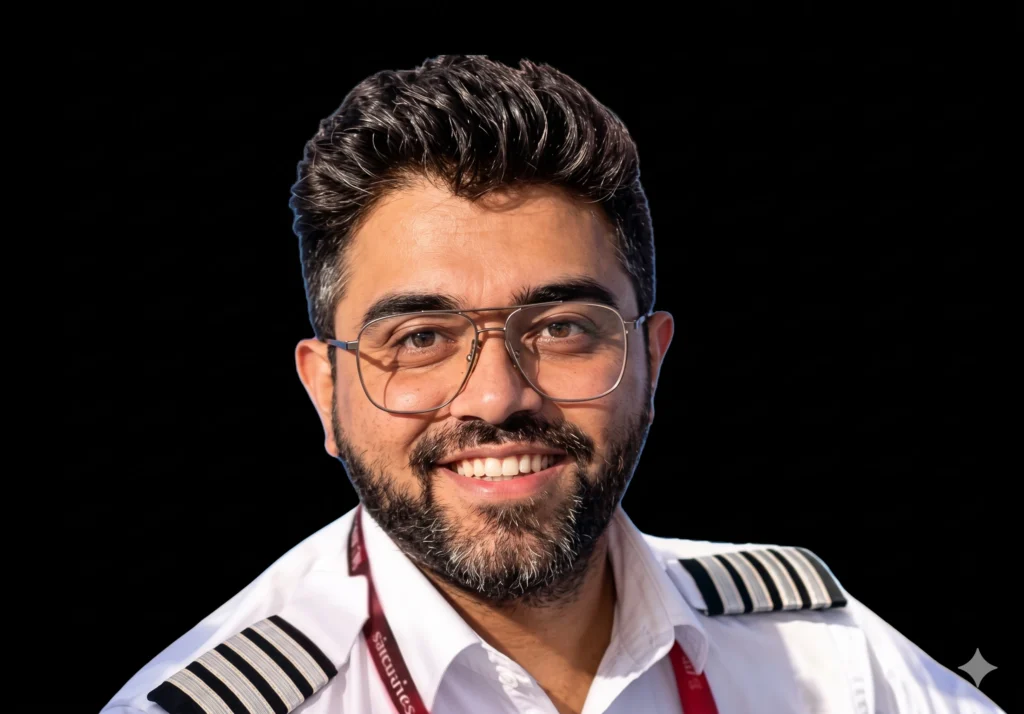
From his hospital bed in Abu Dhabi, Flydubai captain Smit Machchhar has begun piecing together the moments that nearly claimed 172 lives high above the Arabian Desert. In an EXCLUSIVE INTERVIEW with The National, the pilot described how his co-pilot, seated beside him for two hours without any outward sign of distress, suddenly turned on him with a cockpit axe at 34,000 feet.
The attack unfolded on September 30 aboard Flight 1073 from Dubai to Tel Aviv. Capt Machchhar recalled the first strike to his head. He initially believed a panel or piece of equipment had collapsed from the aircraft structure. “It almost made me fall on my control column,” he said. Within seconds, the blows continued. Realisation dawned: the man he had regarded as a teammate was now trying to kill him and everyone on board.
CAN A PLUMBER LAND AN AIRCRAFT?
In the chaos after the axe attack, one unlikely hero stood out. Yaniv Hayoun, a plumber by profession and a passenger on Flydubai Flight 1073, helped overpower the radicalised co-pilot and played a key role in stabilising the plunging aircraft. From his hospital bed, Captain Smit Machchhar later reflected on the moment with quiet amazement. “Can a plumber land an aircraft?” he asked, almost in disbelief. Yet that day, ordinary people, a plumber among them, did the extraordinary. Hayoun had watched aviation documentaries and crash investigations in his spare time. When the cockpit door finally opened and blood covered the floor, he and others acted without hesitation. Together with two off-duty pilots travelling as passengers, they wrestled the controls back and brought the Boeing 737 safely down in Tabuk. Machchhar’s wry question captures the surreal nature of the ordeal. In those critical minutes, training, instinct and courage mattered more than job titles. A plumber helped save 172 lives, and the captain will never forget it.
He freed himself from his seat belts and tried to block the repeated strikes aimed at his head. Vision narrowed. Defensive wounds marked his arm and skull. “While the first few blows came in, my vision… it was so narrow. I lost a lot. I was just looking at outlines.” Every physical effort cost him blood and consciousness. His hand found the cockpit door knob. He screamed for colleagues. Then he blacked out, falling face down inside the flight deck.
When awareness returned, the aircraft was plunging. Engines spooled down from full power. The plane had dropped 17,000 feet in under a minute. Outside the locked door, passengers and crew hammered desperately. Capt Machchhar’s sole focus became the exit. He pushed again. The next memory was of lying between the cockpit and the galley, the door open at last. Chaos erupted as crew and passengers overpowered the first officer. Two off-duty Flydubai pilots travelling as passengers took control and stabilised the aircraft.
All 172 people survived. The first officer remains in UAE detention facing terrorism charges. Prosecutors allege a premeditated plot to crash the jet into Tel Aviv, fuelled by online Islamist radicalisation and time spent at a religious study centre in Australia. Capt Machchhar said nothing in the co-pilot’s earlier behaviour had raised alarm. Their conversation that morning had been ordinary small talk. “Nothing until that point would have caused me to think that: ‘Hey, hold on, there’s something off.’”
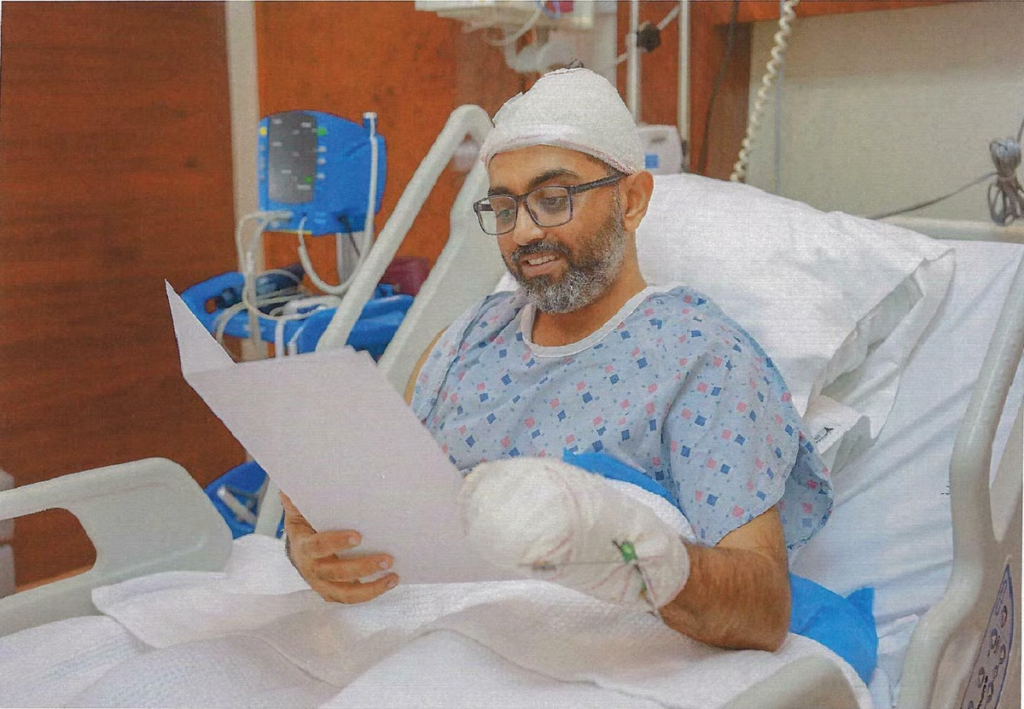
In the hours that followed, cabin crew and a passenger dentist worked to stem heavy bleeding from his head and left hand while the captain prayed for his children. “I prayed a lot. I thought about my son, my daughter… That was the point where I would say I didn’t give up.” He was not certain he would live, yet he never surrendered.
Recovering at Zayed Military Hospital, Capt Machchhar expressed quiet gratitude to the UAE leadership. Informed that President Sheikh Mohamed bin Zayed Al Nahyan had ordered his return home, he smiled for the first time. He expects the incident will prompt industry security reviews, particularly around cockpit axes, but refuses to assign blame. “You’ve got to learn from the event… and then make sure that this doesn’t happen again, ever.” His love of flying remains intact. “Did my love die for aviation? Not at all.” He simply wants to heal, return to the cockpit, and continue doing his part.



