

BY MOHAMMAD TARIQUE SALEEM
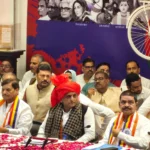
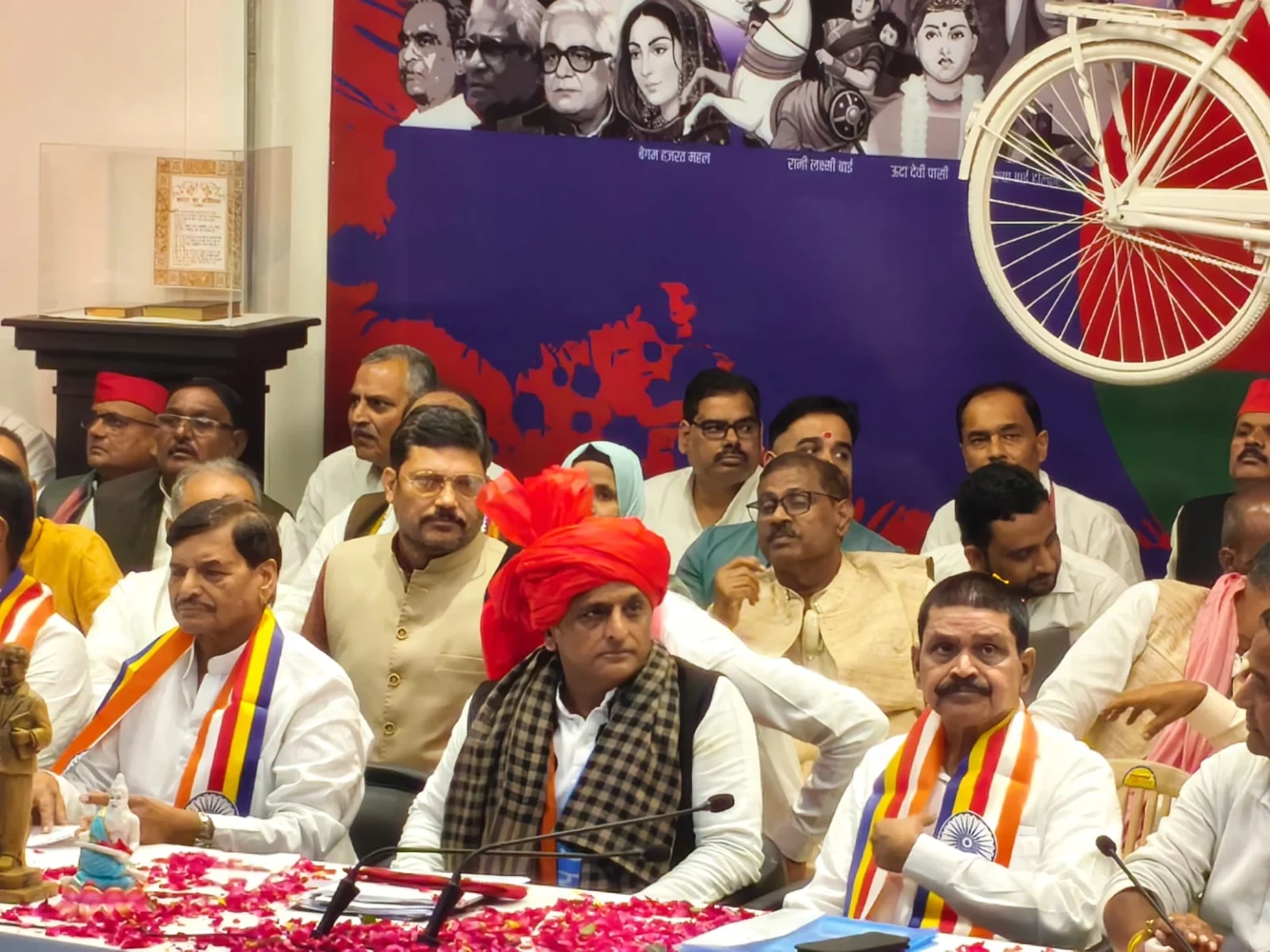
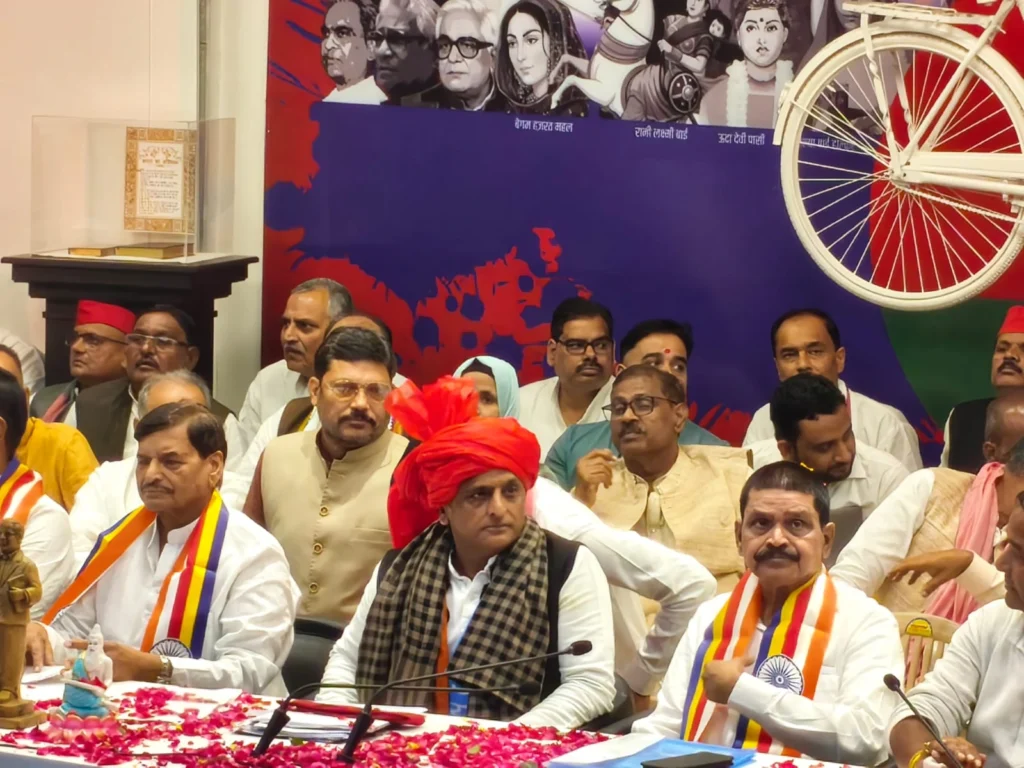
The induction of former IAS Ram Bahadur Pasi, Dara Singh Prajapati and several other leaders into the Samajwadi Party on October 26 in Lucknow is far more than a routine political switch. It reflects a deliberate attempt by Akhilesh Yadav to expand the party’s social and organisational footprint at a time when Uttar Pradesh’s political landscape remains finely balanced. By publicly celebrating leaders from backward communities and positioning them as pillars of the PDA (Pichhda, Dalit, Alpsankhyak) coalition, Akhilesh is reinforcing the social arithmetic that has long underpinned the SP’s electoral strategy.
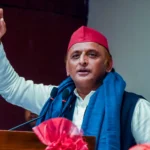
His colourful remarks, “Wherever Dara stands, that side will win the wrestling bout” and the reference to Ram Bahadur Pasi’s name carrying the blessings of Ram, were carefully crafted to blend folk appeal with political messaging. The underlying signal is clear: the party is consolidating caste and community networks that can translate into votes across regions. The geographical claim is equally significant. Akhilesh asserted that the new entrants could shift political equations from eastern to western Uttar Pradesh. This is not mere rhetoric.
Eastern UP has traditionally been a stronghold of the SP, while western districts remain more contested. Inductions such as those highlighted in Badaun, including former MLA Kushagra Sagar and Vinod Shakya’s community outreach in Dataganj, suggest an intentional effort to deepen the party’s presence in key pockets where local equations often decide outcomes. Alongside organisational expansion, Akhilesh used the platform to sharpen the party’s policy and political attack.
The promise of a public holiday on Maharishi Valmiki Jayanti, the abolition of outsourcing for sanitation workers, ownership rights for the poor, and housing for the homeless are designed to consolidate support among marginalised groups who form the core of the PDA. These announcements go beyond symbolism; they seek to convert identity politics into tangible welfare commitments.
Equally pointed was the assault on electoral integrity. Allegations of duplicate names across districts, demands for Aadhaar linkage, biometric verification at polling booths, and a technology-driven investigation into irregularities reflect a growing opposition strategy of questioning the credibility of the electoral process itself. By linking these charges to alleged collusion between the BJP and the Election Commission, Akhilesh is attempting to plant seeds of distrust that could mobilise his base.
On governance, the SP president painted a bleak picture, describing law and order as the worst in the country, flagging reservation irregularities in TGT recruitment, and accusing the BJP of exploiting the infiltration narrative while borders remain vulnerable, with references to Chinese activities in Arunachal Pradesh. The message is consistent: the ruling party has failed on security, social justice and institutional fairness.
Yet the most revealing part of the press conference lay in the organisational instructions. Akhilesh’s call to strengthen booth-level structures and to bring BJP legislators seeking SP tickets to him reveals a dual strategy, grassroots consolidation and opportunistic absorption of disaffected elements from the rival camp. Senior leaders Shivpal Yadav and Salim Sherwani reinforced this confidence, while the presence of Shameena Parveen added a diaspora dimension to the day’s optics.
Taken together, the October 26 event was a carefully orchestrated display of expansion, assertion and preparation. Whether these inductions and promises can genuinely alter equations from east to west will depend on the SP’s ability to convert symbolism into sustained organisational strength. For now, Akhilesh Yadav has made his intent unmistakable: the Samajwadi Party is not content with defending its traditional base; it is actively seeking to redraw the political map of Uttar Pradesh.