






BY SHAMSHER KHAN
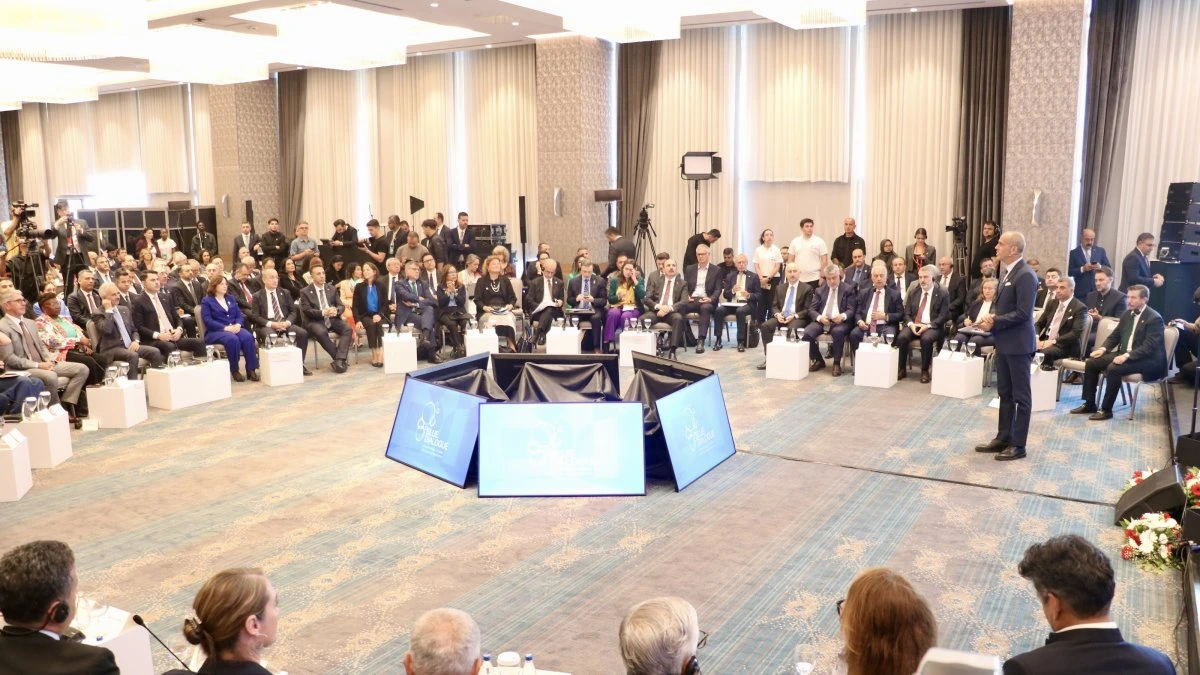
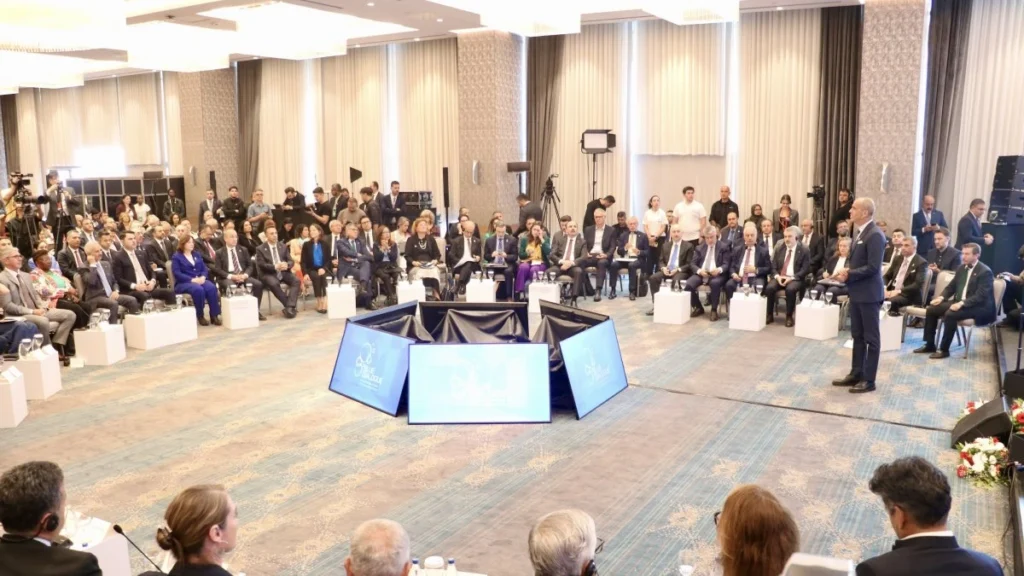
The Ocean and Seas Summit in Trabzon in the north-eastern Türkiye continues as a central step in the country’s preparations for the COP31 climate conference. The gathering brings ministers, experts and partners together to confront the accelerating impacts of climate change on oceans and seas, the urgent need to protect marine ecosystems, the promise of the blue economy, the challenge of financing and the necessity of deeper international cooperation.
As one of the key milestones on the COP31 Presidency road map, the summit signals Türkiye’s determination to place marine issues at the heart of global climate action this year. During the High Level Ministerial Session on Oceans, Climate and the Blue Economy, COP31 President Designate and Environment, Urbanization and Climate Change Minister Murat Kurum declared that Türkiye stands ready to share its experience and proven practices in safeguarding marine ecosystems.
Changing course remains within reach, he insisted, yet success depends on stronger cooperation among nations, the free exchange of knowledge and experience, and genuine joint action. Oceans sustain livelihoods for more than three billion people and generate half the oxygen humans breathe, yet their future is under severe pressure from climate change and mounting environmental stress. Research projects that the economic cost of deteriorating ocean ecosystems could surpass 400 billion dollars by 2050.
Existing efforts fall short, Kurum acknowledged, even as modest gains appear, including a 15 percent improvement in fish stocks across the Mediterranean and Black seas. Kurum tied the discussions in Trabzon directly to the climate disasters now striking the Black Sea region with growing intensity. Trabzon alone has endured more than one hundred meteorological disasters in the past fifty years, among them floods, wildfires, landslides and extreme rainfall. Unexpected heavy rains turn streams racing toward the sea into forces that devastate cities, districts and lives.
Waste released into the Black Sea can surface in the Mediterranean, he warned, just as problems originating in distant oceans eventually reach this region. For that reason Türkiye has made oceans and seas a core priority of the COP31 action agenda. The Presidency aims to cross borders, adopt a holistic approach and forge a shared, determined will to confront every challenge together.
Türkiye is expanding protected marine areas, advancing marine spatial planning and digital twin technologies, and driving blue economy initiatives under United Nations Sustainable Development Goal 14, Life Below Water. A Mediterranean climate adaptation center, first proposed by Türkiye in 2021, has been launched. In the Fethiye Göcek area a mooring buoy system now serves 856 boats across seventeen bays, preventing anchors from scarring the seabed and destroying seagrass meadows, marine habitats and fish breeding grounds.
Real time monitoring of seas and lakes continues alongside cleanup operations and firm penalties for violations. Governments must move beyond statements and turn climate commitments into concrete measures. Türkiye is deepening cooperation with Australia, Pacific and African countries, climate champions and other partners focused on ocean issues. The course Türkiye sets is clear: clean seas and resilient coasts.