






BY MOHAMMAD TARIQUE SALEEM
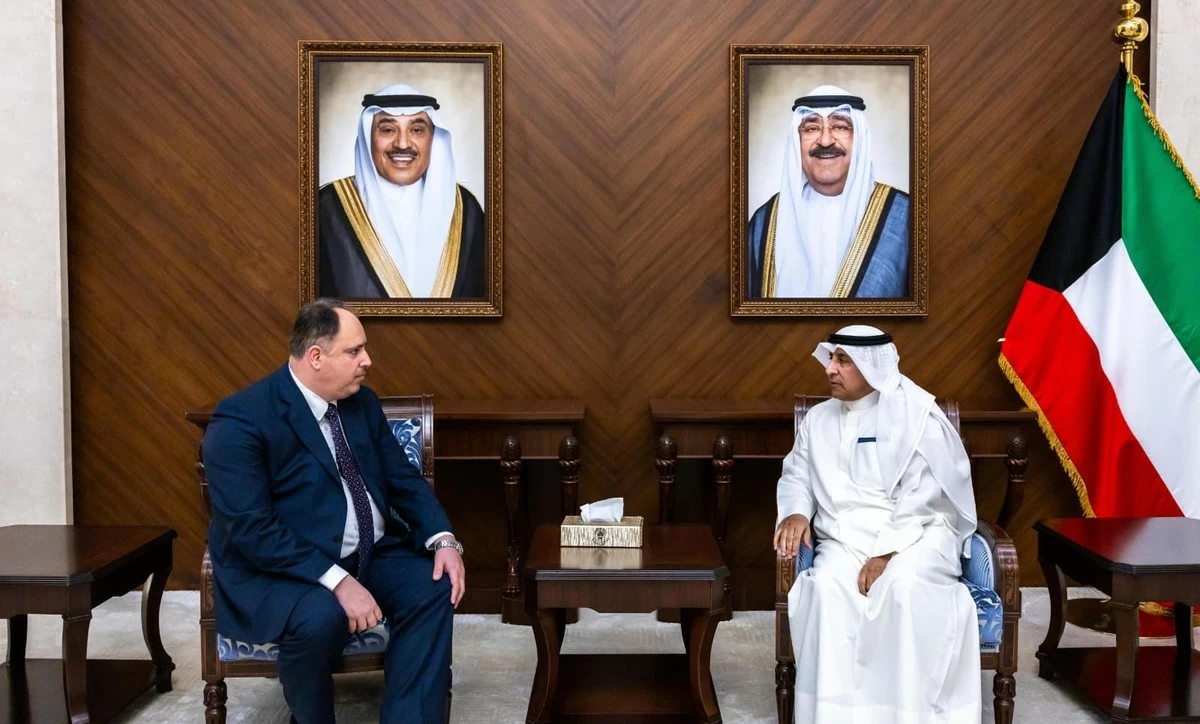
Tensions between Kuwait and Iraq have taken a sharper turn after Kuwait summoned Iraq’s chargé d’affaires on March 30, 2026. The move came as a strong protest against a series of cross-border attacks that Kuwaiti officials say are being carried out by armed groups operating from Iraqi soil. In an already fragile regional climate, the development has added to growing unease.
Officials from Kuwait’s Foreign Ministry said the Iraqi envoy was handed a formal protest note, marking the second such complaint in just a few days. Kuwait did not mince words, calling the attacks a clear violation of its sovereignty and a breach of international law, including principles outlined in the United Nations Charter.
Acting Deputy Foreign Minister Ambassador Aziz Al-Daihani made it clear that Kuwait will not tolerate any aggression spilling over its borders. He urged Iraqi authorities to act swiftly and decisively to prevent armed factions from using their territory as a base for such attacks. At the same time, Kuwait reiterated its right to defend itself under international law, hinting that it may take necessary steps to protect its security if the situation continues.
The timing of these incidents is significant. Iraq has been struggling to rein in Iran-aligned militias within its borders, groups often blamed for drone and missile attacks across the region. Their activities have added to instability in an already tense Middle East. For Kuwait and other Gulf nations, this is becoming a growing concern. There is increasing frustration over the spillover of conflicts and the inability of some states to fully control non-state armed groups.
Several Arab countries have recently urged Iraq to take stronger action to stop such cross-border threats. In response, Iraq’s Foreign Ministry acknowledged that it faces security challenges but maintained that it does not allow its territory to be used for attacks against neighbors. However, it stopped short of directly addressing Kuwait’s specific allegations. All of this highlights just how delicate the region’s security situation has become, where blurred lines of responsibility continue to raise the risk of further escalation if left unchecked.



