





ARABIAN TIMES NEWS NETWORK
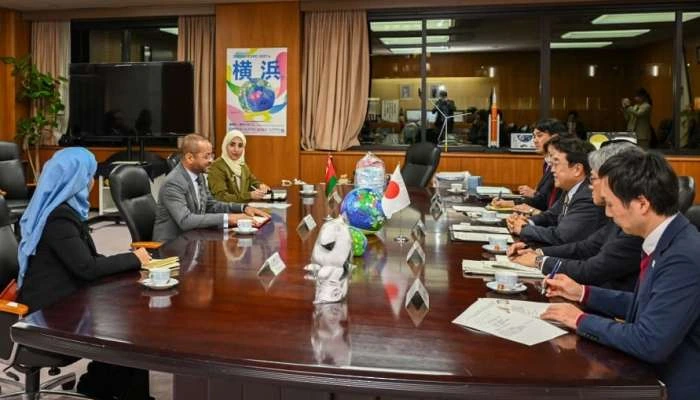
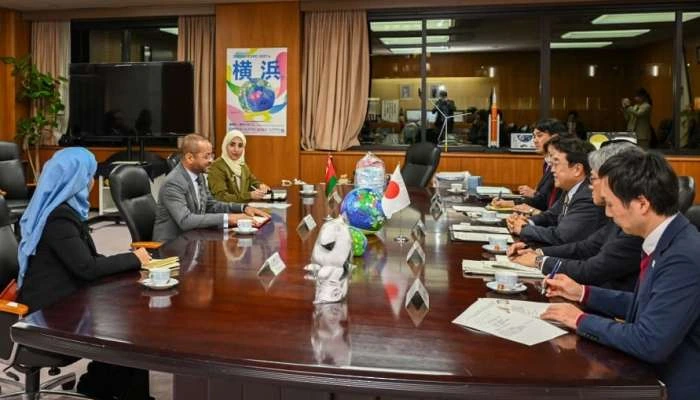
Tokyo — Hydrogen and green ammonia were among the investment opportunities Oman and Japan discussed on Thursday when Sayyid Badr bin Hamad Al Busaidi, Oman’s Foreign Minister, met Ryosei Akazawa, Japan’s Minister of Economy, Trade and Industry, in Tokyo. The two ministers explored how closer ties between companies in both countries could support clean energy projects and extend economic cooperation into advanced industries, technology, logistics and food security.
The discussion centred on two strengths that could make joint investment attractive. Oman lies along major international trade and energy routes, while Japan brings industrial experience and technological expertise. The ministers considered how businesses could draw on both advantages to develop high-value projects. They also discussed strengthening the supply chains on which producers, suppliers and customers in both countries depend.
Hydrogen and green ammonia gave the energy talks a specific focus. For a prospective energy project, producing the fuel is one part of the undertaking. Moving it to an industrial customer is another. That connection explains the relevance of logistics to the clean energy discussion. Oman’s position on shipping routes could be an advantage for a venture seeking overseas markets, while Japanese companies could contribute technical expertise to its development.
The agenda also reflected an interest in broadening the range of businesses involved in bilateral trade and investment. Advanced industries and technology offer scope for cooperation between industrial firms and specialist suppliers. Food security brings a different set of commercial needs into the discussion, particularly the reliable movement of goods from suppliers to the markets they serve. Across these sectors, the ministers saw a greater role for private companies in identifying opportunities and developing them into projects.
On follow-up, the two sides emphasised making fuller use of the cooperation arrangements already in place between Oman and Japan. They called for continued coordination to move joint initiatives forward more quickly, support the transition to clean energy and advance the economic priorities of both countries. For businesses considering an investment, that follow-up would be the point at which a broad area of mutual interest becomes a specific proposal with identifiable partners.
The Tokyo meeting remained exploratory. The account of the talks gave no investment figures or timetable for individual projects. Its clearest indication of the direction of future work was the interest both sides expressed in connecting industrial investment with trade and logistics. Asila bint Nasser Al Kiyumi, Oman’s Ambassador to Japan, attended the meeting alongside officials from both countries.