






MOHAMMAD TARIQUE SALEEM
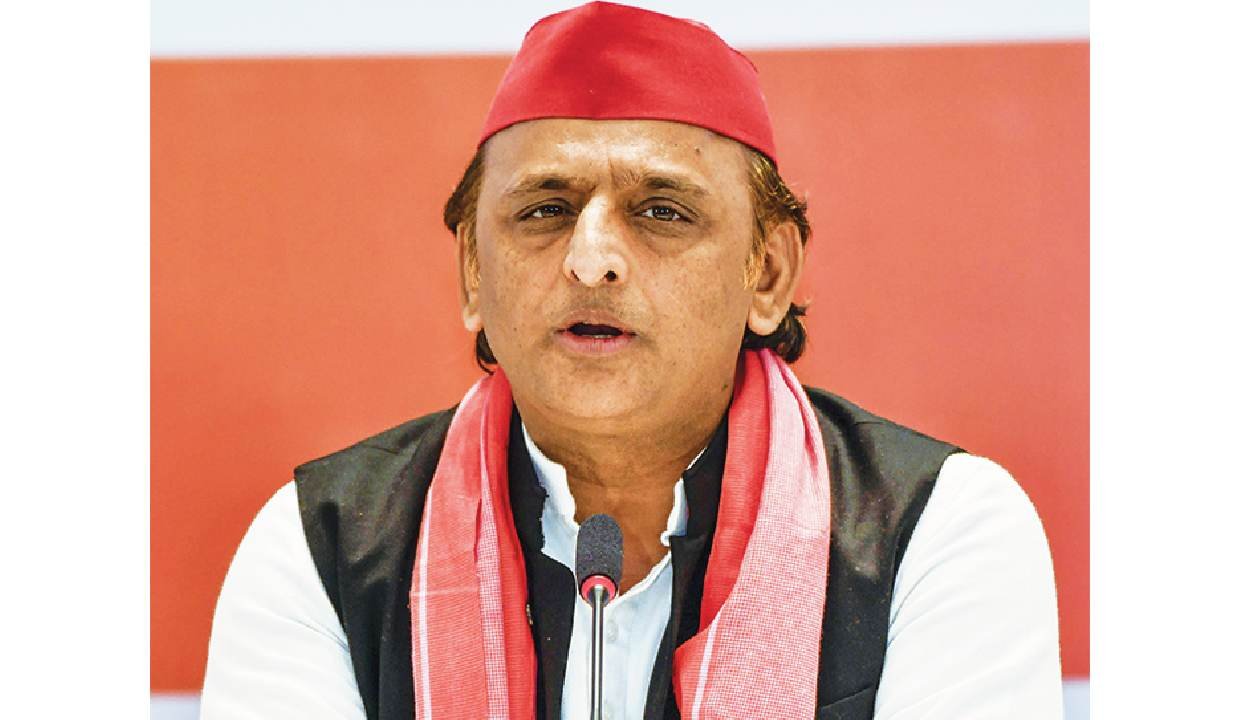
In a sharp critique posted on X (formerly Twitter), Samajwadi Party chief and former Uttar Pradesh Chief Minister Akhilesh Yadav condemned recent demolition actions in Ayodhya, labeling them as “illegal and malicious.” He urged the state government and administration to take immediate notice of what he described as discriminatory enforcement of law. Yadav’s post highlighted a perceived double standard in how bulldozer actions are applied across the state.
He pointed out that in Ayodhya, structures, allegedly built with public funds, were reduced to rubble without prior notice. In contrast, he claimed that in Prayagraj, influential figures associated with the ruling BJP were erecting walls around their alleged illegal occupations on Nazul land, even while residing abroad. “On one hand, in Prayagraj, people in power are getting walls built around their illegal occupations even while staying abroad,” Yadav wrote in Hindi. “On the other hand, they are turning walls built with the money of common people into rubble.”
The Samajwadi Party leader went further in a follow-up remark, alleging that these individuals had traveled to Japan not for legitimate investment purposes, but to create an alibi. “They have not gone abroad for investment; rather, they have gone so that when it comes out that they have illegally occupied land, they can innocently say: ‘When this occupation happened, I wasn’t even in the country,'” he stated. He sarcastically noted that these encroachments remain invisible to “Lucknow’s bulldozers” and “Delhi’s drones,” yet are under constant watch from Japan.
Yadav’s comments reflect a broader political narrative from the opposition, accusing the Yogi Adityanath-led BJP government of practicing “bulldozer justice” selectively, targeting ordinary citizens, often from marginalized communities, while shielding party affiliates and the powerful. Such allegations have surfaced periodically in Uttar Pradesh, where anti-encroachment drives have sparked debates over due process, fairness, and political vendetta.
The post, which included videos for emphasis, quickly garnered significant engagement on X, with thousands of likes, reposts, and replies. It reignited discussions on equitable application of law, the use of bulldozers as a tool of governance, and accountability in land-related matters, particularly involving Nazul properties (government lands leased for specific uses). Critics of the government see these remarks as evidence of systemic bias, while supporters argue that demolitions target only verified illegal constructions, regardless of political affiliations.
As Uttar Pradesh continues to witness rapid urban development and religious site transformations, especially in Ayodhya post-Ram Temple inauguration, these controversies highlight ongoing tensions between development, law enforcement, and political equity. Yadav’s call for “justice” underscores the Samajwadi Party’s strategy to position itself as a defender of the common man against alleged high-handedness. Whether this leads to official inquiries or remains a point of political contestation ahead of future elections will depend on public response and administrative actions.